




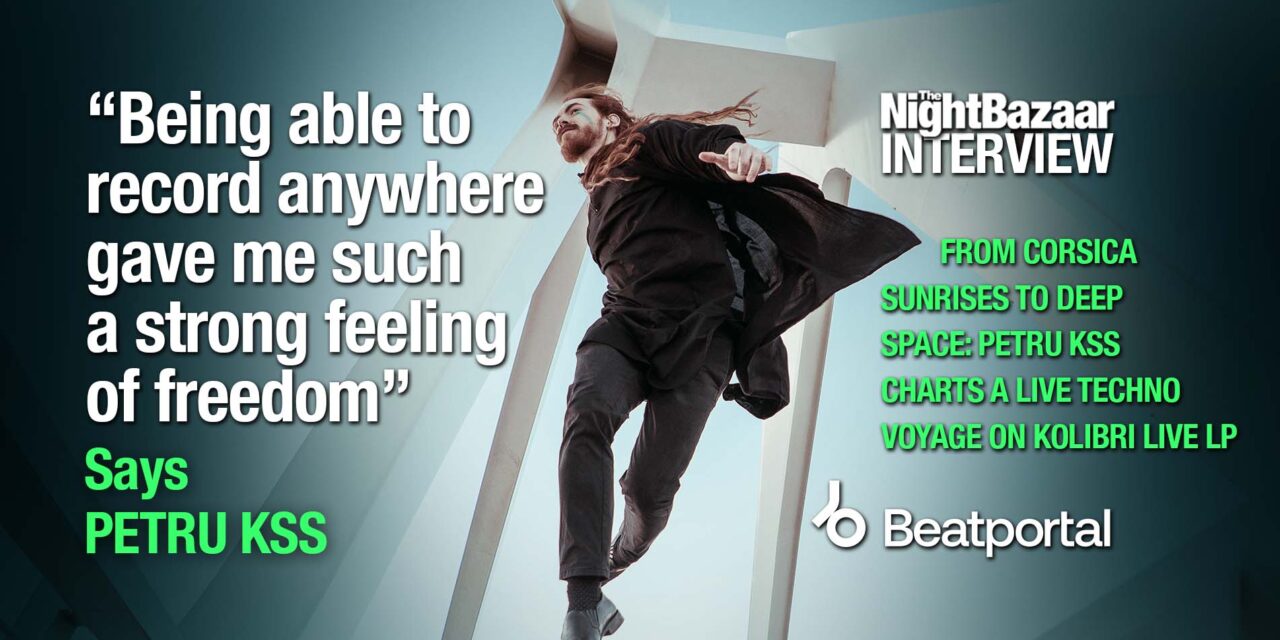
At sunrise on a remote hillside in Corsica, surrounded by mountains and the sea, PETRU KSS powered up his machines and pressed record. The resulting performance, captured live with no safety net, would eventually become Kolibri Live LP, a hardware-driven techno album built entirely from improvisation.
Blending hypnotic rhythms, cinematic sound design and a sci-fi inspired narrative universe, the record expands PETRU’s ongoing “Kolibri” mythology, a conceptual journey through space that reflects themes of hope, resilience and exploration.
We caught up with the London-based artist to talk about recording a live set in the wilderness, the creative role of risk and imperfection and how storytelling continues to shape his approach to techno.
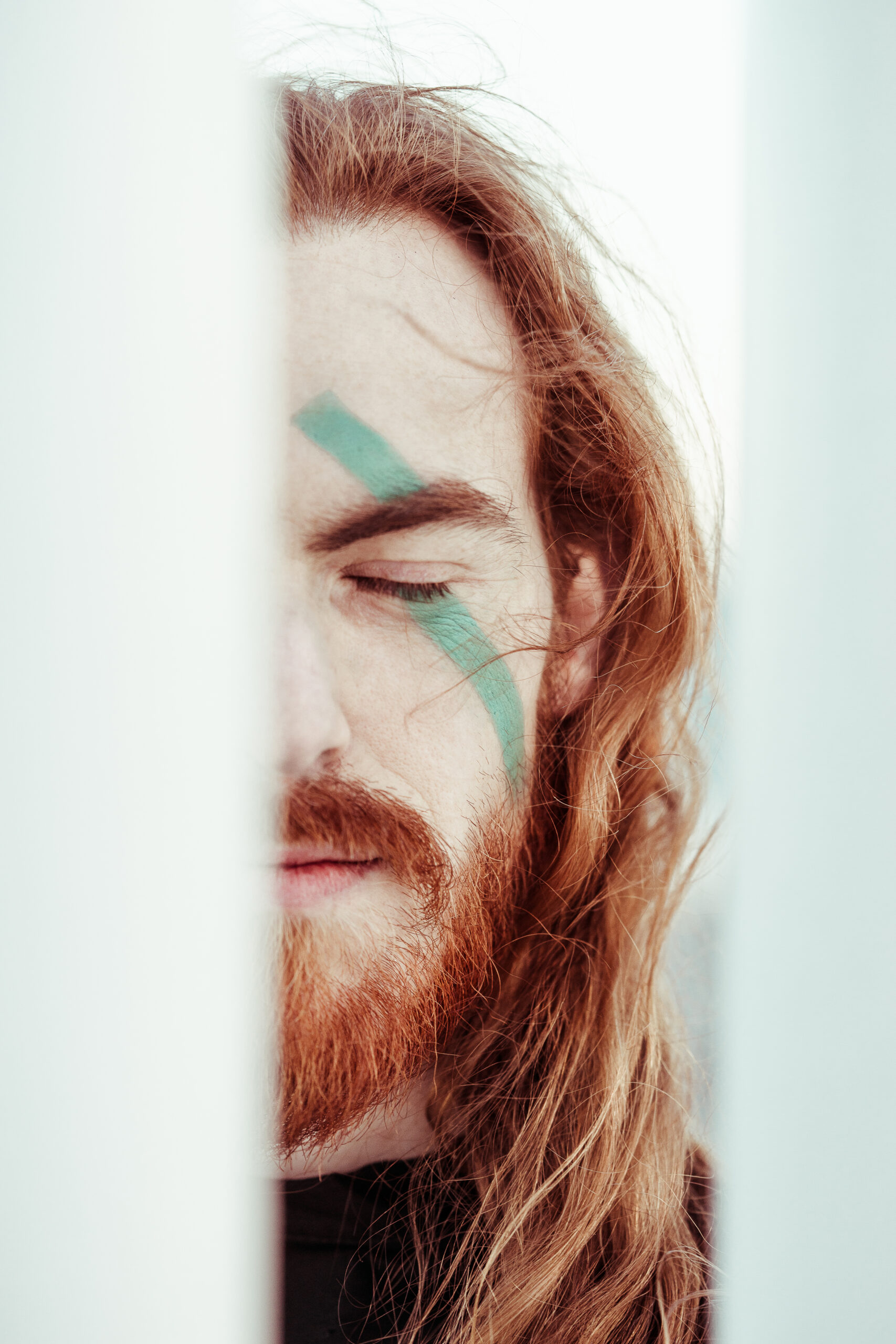
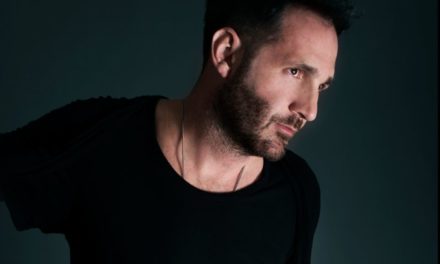
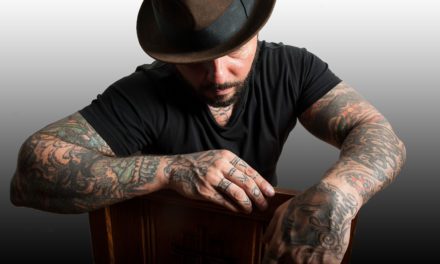
PETRU KSS – Photo by Yuriy Ogarkov http://yuriyogarkov.com
Kolibri Live LP is imagined in space but performed in the wilderness of Corsica, how did that physical environment shape the way the music unfolded?
The spot where I recorded the album isn’t easy to access – but it’s special to me and has a panoramic 360 view. It’s surrounded by nature, at the back there’s a valley framed by mountains, on the left, a beach with turquoise water, and the sun rises just in front, from the sea. The site itself is the ruins of a tower, it really is unique. A friend and I discovered it around 10 years ago, and I’ve returned many times since.
Outdoors sets aren’t new to me, the thrill of performing in unconventional locations hit me in 2017. I was experimenting with a 360 camera and recorded my first ‘wild’ vinyl set. I had rented a generator to power the Technics, fun times! Being able to record anywhere gave me such a strong feeling of freedom. That first spot inspired me to scout for more unique landscapes and finally pick one for the album.

PETRU KSS
I prepared my equipment the night before, went to bed around midnight, slept a few hours, drove an hour, and hiked for 45 minutes in pitch black. I set up everything just before sunrise and performed – without much of a safety net. The sun rose quickly, and the heat made it feel like an oven already; the set lasted a bit over an hour. In May, in Corsica, you get some intense warm days. Now, how did the wilderness of Corsica contribute to the album? It fundamentally shaped my energy and made me feel good! I did stop for a second now and then to look at my surroundings, smiling to myself and thinking how lucky and free I was. It certainly connects with my desire for freedom and adventure.
There’s a multidisciplinary aspect I particularly enjoy. Of course, there is the composition itself, the performance (ensuring it sounds like a cohesive journey that grooves enough to be captivating for an hour, a real challenge in the age of social media), and the organization (managing multiple cameras, a hike, etc.). Then there is the physical demand of bringing equipment to a remote location and setting up in the dark for a rewarding sunrise set in paradise. When you overcome these challenges, you do feel truly empowered. Playing live is a thrill, I am not looking for shortcuts, I enjoy the full experience, this is the foundation of my music and how I try to be as authentic as possible
This album is entirely shaped through live performance. What’s the biggest risk you took while recording it?
The nature of a live-set makes it that there are many moving parts also I’ve become used to chaos management and this session was a proof of concept for myself. Succeeding meant proving I could handle the logistics and the exhaustion of traveling while still producing something I’m proud of.
The ‘risk’ actually starts before flying, at the packing stage, you don’t want to forget this unique cable or power unit! Past the logistics, the environment, setting up a session into the wild and fatigue are also part of the challenge. After hiking with all my gear, surviving on very little sleep, the adrenaline, the distractions, you might simply end up forgetting to press record. Then there’s equipment failure, power management, and limited time to take into consideration. For example, I knew that if something went wrong, I wouldn’t have any buffer to restart. All things considered, this session went well.
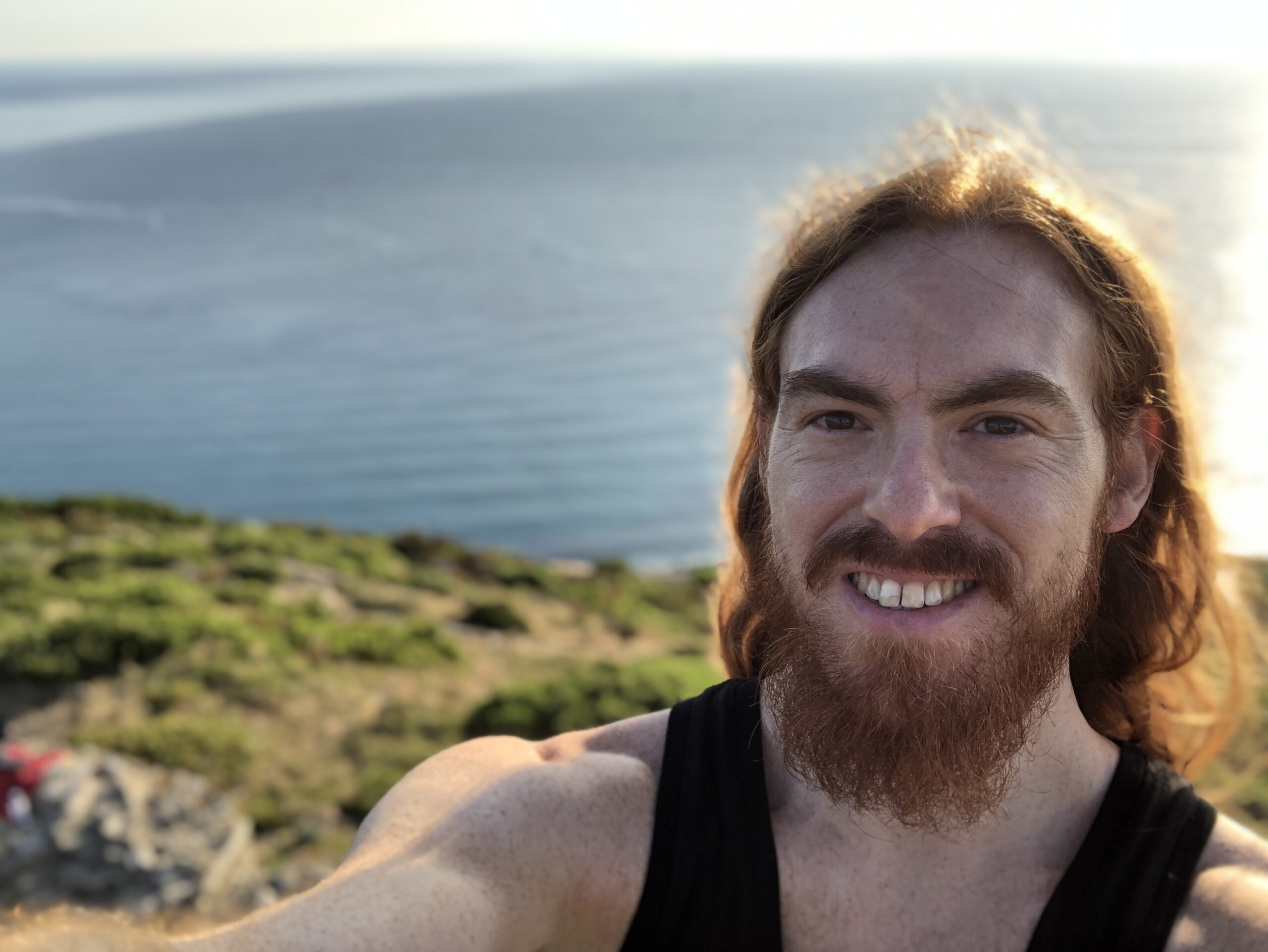 PETRU KSS[/caption]
A live context presents a unique set of traps inherent to the format. If you do fall into them, you need to turn them to your advantage – and this is a valuable skill that comes with experience, the experience of failing and trying, again and again. With analogue gear, it’s easy to push a knob too far and get a texture that wasn’t intended; this is the opportunity to exploit an unexpected resonance or harmonic and make the most of it.
When something malfunctions (MIDI values going bonkers), you’ve got to perform anyway! After you’ve done all this, would you stop because of a technical issue? No way! This is your moment and it is part of the intrinsic motivation!
Also, past failures taught me to adapt. For example, plugging in the wrong PSU, I fried a MAM MB33 (RIP), the poor machine didn’t ask for anything. It’s still my favourite 303 emulation as of today. It’s been replaced in my setup with a Roland T-8 Aira, trading an AC PSU (!) for a widely compatible USB-C powered device! A Beatstep Pro once got a bit funky after an outdoor set, the MIDI went bonkers. These definitely impacted how I purchase and protect gear. With cheaper, smaller equipment, I feel there is less at stake if something happens. I’ve also designed the system now so everything holds into my backpack.
Globally, this need for urgency is really important, it influenced my set and made me feel authentic, more human, real and alive.
At what point does a live improvisation become a track rather than just a moment?
Releasing music comes with a purpose and isn’t only a question of quality. Whether it’s so people listen to it from their favourite device, or for DJs to play them. In the last case, it’s great to include an intro and outro per track – which does not necessarily exist (per track) on your improvised jam. So, I had to build intro and outros for each track later, to make them DJ friendly. For Kolibri Live LP, it mainly consisted of determining where was the beginning and the end for each track/section and then removing some elements, so the tracks don’t start directly with a melody.
Some melodic patterns (note sequences) were already prepared, some were improvised, I had prepared a set list (which I did not follow – and I almost never follow it actually, I guess it helps me to feel safe when I start, and after 2 or 3 tracks I forget to look at it), I certainly did not prepare the structure of each track, for example I had no clue how long would last the tracks, how many breaks, rises, drops they would contain, how I’d transition between one to another.
 The spot where PETRU KSS recorded Kolibri Live LP[/caption]
As I am using Ableton to centre everything back together, I do have a little mastering chain to have a powerful output and some glue, also to manage potential fluctuating volumes, as analogue synths go wild sometimes, and as a safety measure for the sound system. So, while the stereo output is recorded, I also record the multitrack. This process allows me to have a powerful sound in a club, and then to be able to release an album with studio quality, from the stems.
The rawness comes from the performance, the quality from a mixing and mastering pass in the studio. I could release the tracks directly with my mastering chain – it’s not too bad honestly and I like the sound of it, but there’s no comparison with having your album mixed by world-class sound engineers. And I wanted the absolute best for Kolibri Live LP, so I handed my stems to Hannes Bieger for the mixdown, and Calyx nailed the mastering. Other artists do without, and it’s perfectly valid – but I knew what I was after.
Circling back to what makes a live improv become a track, I guess there’s the musicality as well. Not all improvisations, not all jams are releasable, I’ve got tons of jams that are not high standard enough, and that’s fine! We (live performers) have all been through moments looping the same sequence tweaking the LFO here and there trying to nail that sound for a bit too long. When you perform with a purpose, there’s a bit less time for experimentation as we are still improvising but with a focus on the journey.
There’s a strong sense of fragility and immediacy in the record. Were there moments you considered tweaking later but decided to leave raw?
Thanks for this, definitely a compliment that landed well! There are plenty of happy accidents in the album. In Pegasus there’s a full sequence that wasn’t meant to be there. I had programmed a Pegasus melody before for the Typhon, and instead I triggered something else with the Beatstep and built onto it, turned out to be very psychedelic. Did I ever want to remove/tweak this moment? Nope! It’s part of the performance!
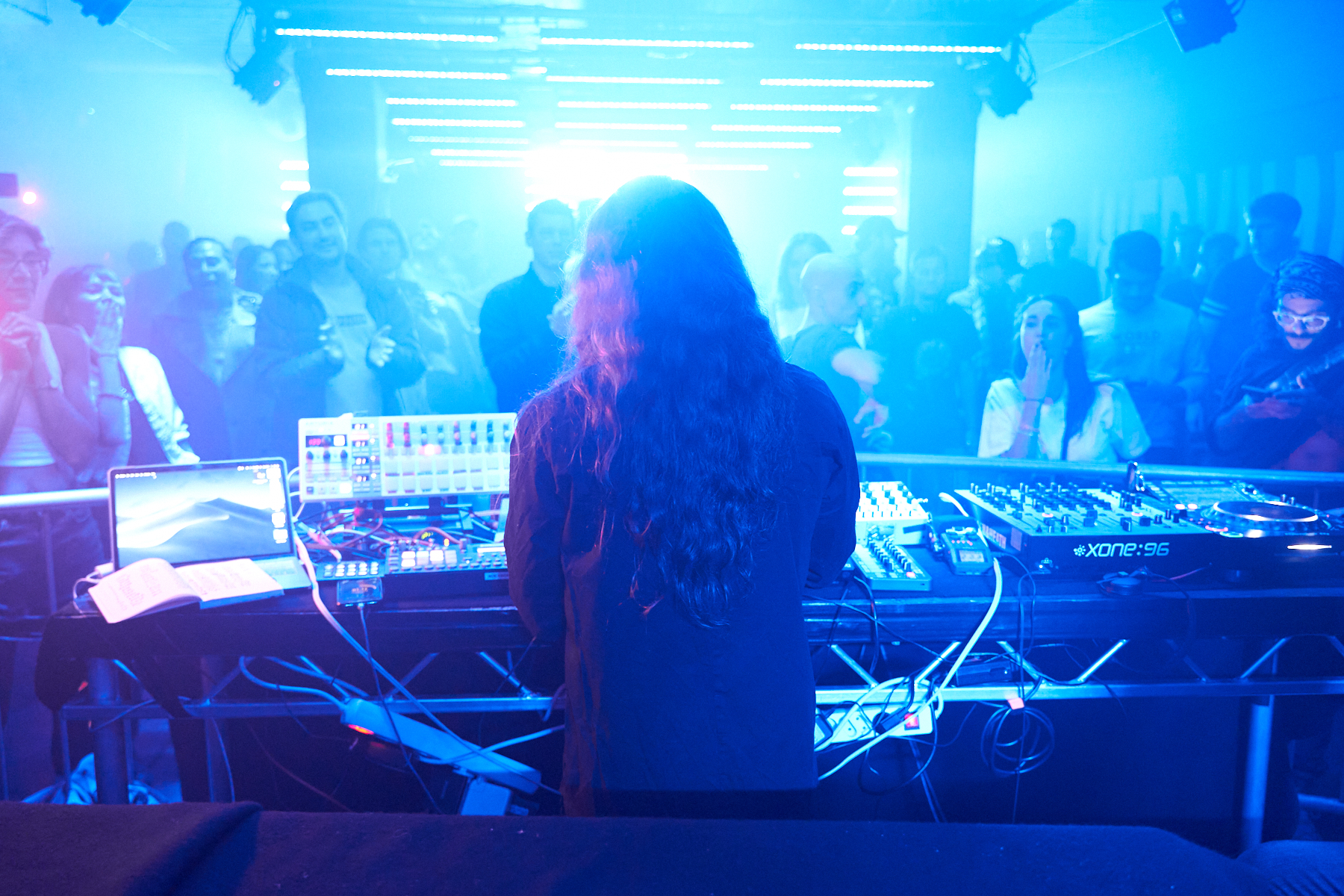
PETRU KSS – Performing live
I did trim a couple of breaks that were too long, re-created the intro and outro per track, and produced Genesis and Landing in the studio, but the set DNA is intact!
You often describe your work as storytelling, what’s the narrative arc of Kolibri Live LP from start to finish?
My body of work can be split into 5-6 different journeys, all happening within or around the Kolibri Space Shuttle. The narrative is around a character travelling aboard the shuttle, navigating through space, and the different series can be described as follow:
NSTNKT series – the mind and struggle of being on your own, in space, travelling. It’s dark, directly linked with mental health. In terms of music it manifests into raw, hypnotic and dark techno. I’d say “Begin Transmission” from an earlier EP is a good example of this.
KOLIBRI series – more melodic, represents the constellations and magnificent space objects that can be observed through space. Colourful, it translates into more melodic tunes, without much aggression, it’s happier, even though I don’t think I am making happy music. A great friend of mine asked me last year, “Petru, do you know what your music is about? I looked confused, surprised, then he said ‘it’s about hope… hope!’”. I guess he’s not totally wrong! Listening back to it, I can hear this definitely. This is a good intro into what the Kolibri music series is.
GROUNDED – Experimental series
SNDSKP – Soundscapes, ambient, cinematic Series – for the most curious, my Preludes and Drones sit there.
HYPRX – Hyperspace, the faster tracks
With this in mind, Kolibri Live LP is mainly focusing on the KOLIBRI series, with some pieces heading towards the NSTNKT series, and a couple ambient tracks (Genesis, and Landing).
Spoiler alert: The Kolibri Live LP is a linear journey that begins with the grounded earthly textures of Corsica and accelerates into the weightless atmosphere of deep space. It starts with Genesis and Ketarion, representing the ignition and a confident cruise into the unknown. As the voyage reaches Liminal Orbit, we’re orbiting, considering various directions and coordinates. The music explores the unresolved suspense of being at a crossroads in the deep void, until a symbolic piano rises to signal a moment of clarity, finding back confidence.Tracks like Trieuoppa and Capsule introduce a sense of unrest and nostalgic clarity, reflecting through memories or the loneliness of observing constellations through a cockpit window. The story increases in intensity and darkness progressively with Kasioppea, Ordelion and Pegasus, until settling with Landing on a planet with mesmerising landscapes.
Saying this, I wouldn’t mind people coming with their own interpretation!
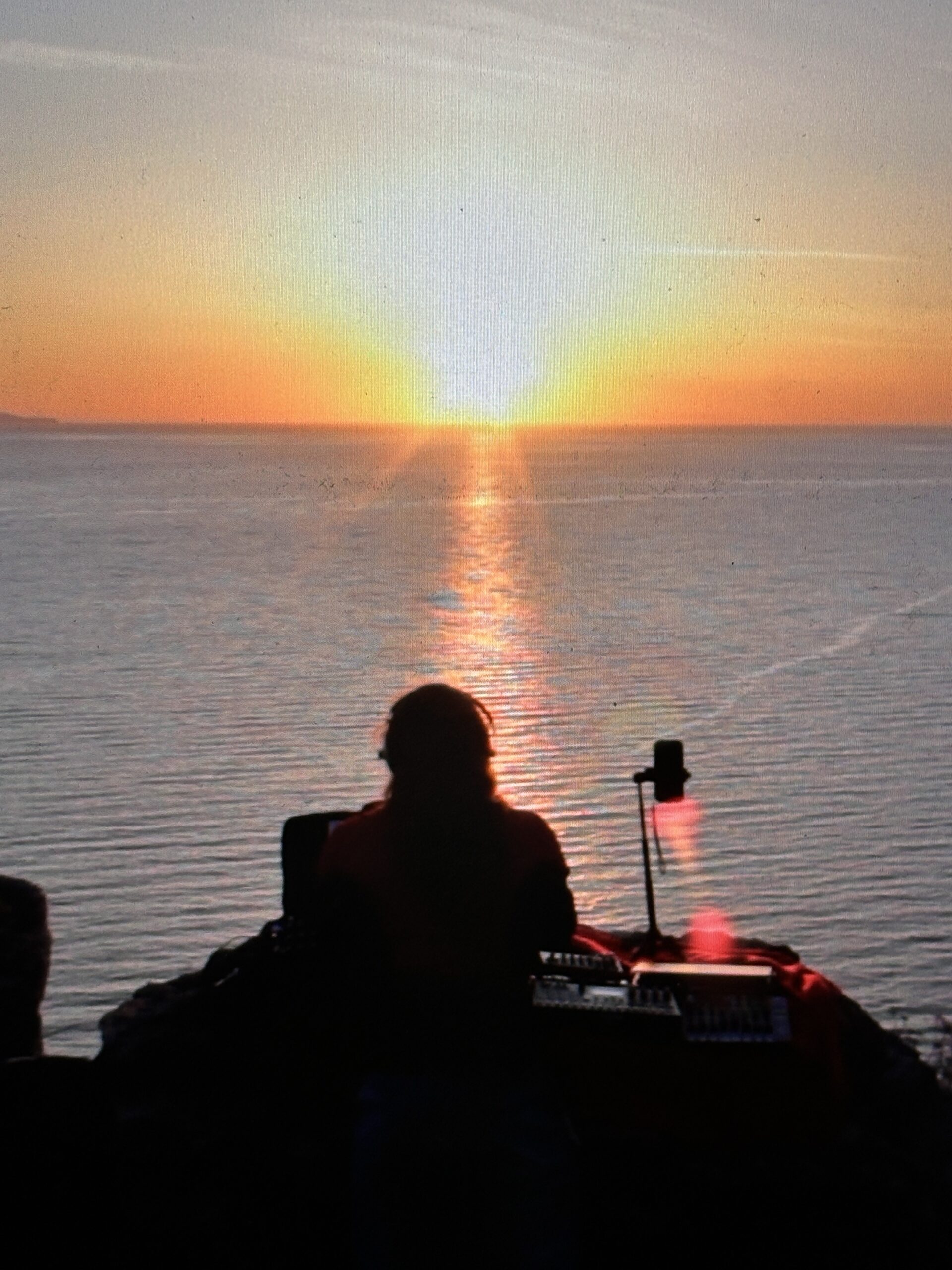
PETRU KSS recording Kolibri LP at sunrise
Do you think techno can tell stories without words or does it tell them because there are no words?
Techno can definitely tell stories without words. I tend to categorize music on a spectrum ranging from a ‘track’ to a ‘song’. While tracks aren’t necessarily telling a story, their combination, the way a DJ layers them, positions them in a set, and crafts the transitions between them is what builds a narrative. On the other hand, the songs (not related to the presence or absence of vocals) contain an internal narrative.
The Kolibri series consists of pieces that tell a self-contained story while working within a broader arc, whereas my NSTNKT series focuses more on pure energy and function.
Looking back, my recurring themes are hope, resilience, survival – the struggles and overcoming them. From the power of nature, to love and science fiction, they all exist within the context of space exploration.
The journey moves between hypnotic, melodic, acid-tinged and experimental. How do you maintain coherence across such a wide sonic palette?
Today it feels like I’ve found my own sweet spot but this came after a few years experimenting, even though I still learn every day! I’d say finding balance and coherence comes down to taste and experience. For example, I love the 303 acid sound but I find it most effective when it’s part of a broader arrangement rather than the main focus of the track. So, considering the space these various ingredients take is key, coherence happens in the contrast and motifs. And I like contrast, so you might find simplicity and complexity in my music.
The production and performance steps define from an early stage if the track leans towards a clean, messy, thin or bold sound. For example, not all synths need to be bold, saturated, with wide open filters and a generous release. Being knowledgeable on the equipment is a plus too.
But the coherence across a wide sonic palette and subgenres is also achieved through an overarching narrative I described as “Space Techno”. Even when shifting between genres like progressive house and raw techno, the music remains anchored by a cinematic twist and a focus on storytelling rather than just individual tracks. This concept acts as the glue that binds hypnotic, melodic, and experimental elements together into a singular, purposeful voyage from nature into deep space. Ultimately, the goal is to create an immersive experience where the transition between sounds feels like a natural progression.
Your music balances darkness with openness. Is that contrast something you consciously design or does it emerge naturally in your performance?
Having worked 14 years as a sound designer, for gaming franchises like Batman: Arkham Knight and Returnal, I’ve learnt that opposites create the necessary tension in storytelling. Darkness only is impactful if we’ve seen the light before. And alternating between ‘calm’ to intense moments helps generate story. It’s a very similar mechanism regarding darkness and openness. While this contrast is something I’ve experienced professionally, it has become a parameter for me that I use instinctively.
Working with Hannes Bieger, how did the mixing process enhance the spatial and cinematic depth of the album?
Hannes brought the mix to another level, the album gained precision and a nicer, more homogenous stereo, without changing much of the DNA. I believe he did not add reverbs nor echo as they were already part of the performance.
The goal was not to fix the live takes but to tighten and polish them so they could compete with high-end studio productions and be transitioned from or into them, while keeping their “truth” and human touch. Being present in the studio with him was a highlight.
You’re releasing the album while completing a PhD in electronic music, how do academic research and intuition feed each other in your work?
The PhD and my musical intuition operate as a continuous feedback loop, where research provides a structured analytical framework for a creative process that used to be a black box of pure instinct. One of the core aspects of my doctoral project is documenting THRiPPS (Techno Hardware-centric Real-time Improvisation, Production and Performance Study/Solution), which serves as the bridge between theory and practice. This framework allows me to examine what has always been a deeply intuitive process, leading to specific design improvements that facilitate a better state of flow during performances.
Analyzing my process through this academic lens has made me more conscious of principles I previously relied on but had not formally identified, such as the value of controlled randomness and human imperfection. Instead of seeing a drifting pitch or a faulty knob as a mistake to be fixed, the research has taught me to treat them as creative partners that my intuition can exploit in real-time. Ultimately, the more I understand the machine through research, the more my intuition is freed to take over during a performance without technical distraction.
This is not a solo journey, as the study has also allowed me to conduct in-depth interviews with experts like Colin Benders, Octave One, and Richie Hawtin. These conversations are a goldmine of information, providing a snapshot of current global methods while offering incredible insights that help me address shared technical challenges in my own work.
In an era of AI-driven music creation, Kolibri Live LP feels like a manifesto for human imperfection. Was that a conscious statement?
This album is definitely a manifesto asserting that human risk, imperfection, and imagination are vital components at the heart of art. Like many other domains, the music industry is evolving, and an overwhelming mass of AI-generated tracks is being released daily. To me, it feels like the most meaningful response is to offer a human counterpoint.
Kolibri Live LP is the result of using Manual Override mode, for a better take off! While we entered an era of quantity, I decided to focus on quality, from a place of genuine heart, creativity, and authenticity.
Ultimately, the power of a live act lies in its unrepeatability. Because I am improvising and reacting to the machines in the moment, it is impossible to recreate the exact same performance twice, making every show a unique, singular human experience
Do you think the future of techno is more about technological advancement or deeper human presence?
We strive to be progressives who embrace advancements, yet we still crave human-made material. This proves both technological advancements and deeper human presence will continue to coexist. Ultimately, techno exists because people still connect with it. If it were just about the newest thing, the genre would have vanished a decade ago. The technology has evolved but we are still making relevant music using machines that were invented twenty or thirty years ago, while also blending new technology in.
Although, I wish human presence would be less about looks and online presence.
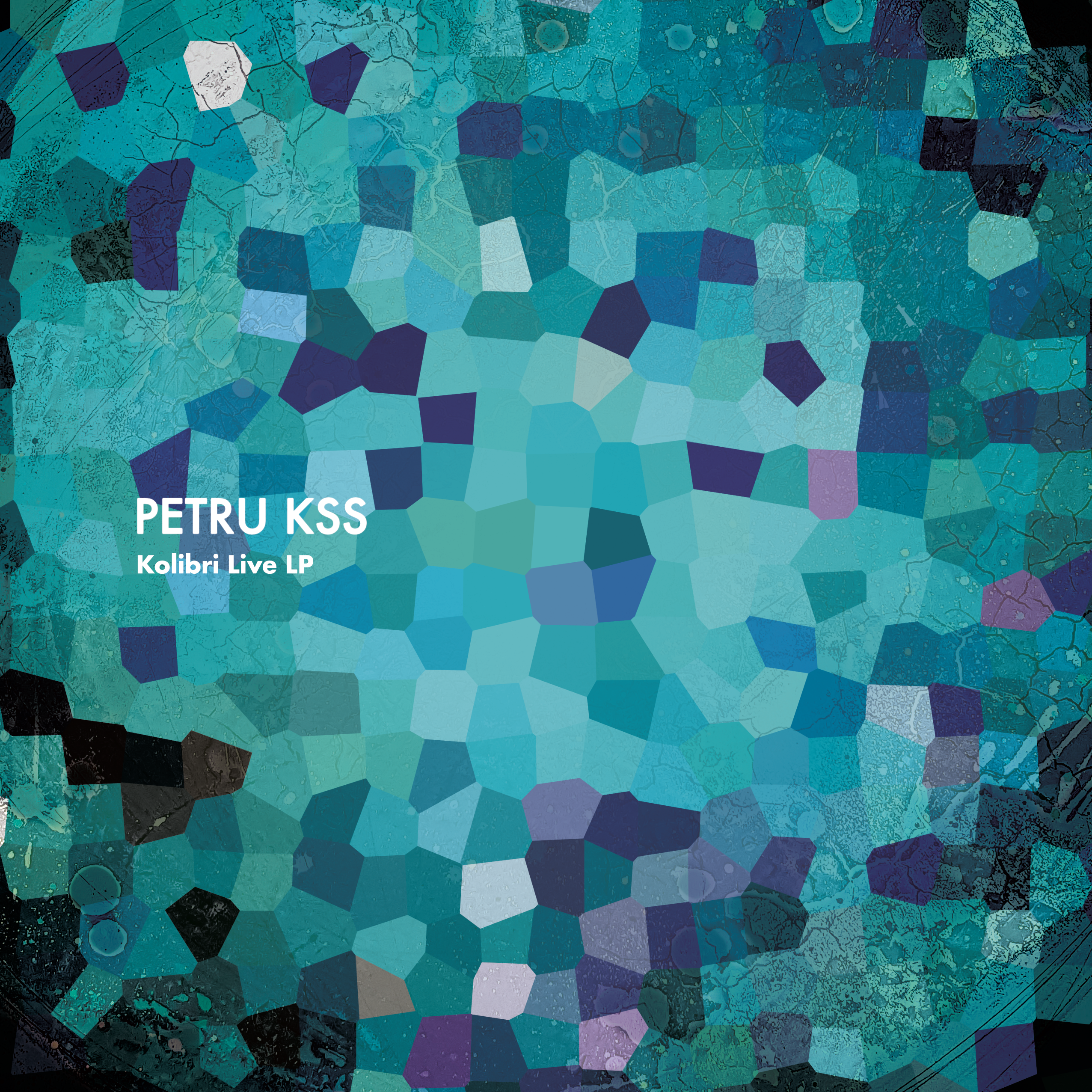
PETRU KSS – Kolibri Live LP
How do you imagine Kolibri Live LP translating into a club or festival environment?
I’ve worked hard to make the music compatible with every listening situation and conceptualized Kolibri Live LP to exist in three worlds: as a continuous, immersive live set that tells a singular story, as standalone tracks crafted specifically for the dancefloor, and as shorter versions for radio and streaming. By design, I’ve tried to bridge the gap between an atmospheric home listening experience and the raw, physical reality of a club environment.
Hearing my work supported by artists I respect is always an incredible feeling; seeing Dubfire drop his remix of Trappist at Fusion Festival was a definitive moment for me, as was hearing that Richie Hawtin has also been playing the track.
In a festival or club setting, people often let go and detach from the weight of the world. I want ravers to feel overwhelmed and surrounded by the sound. A sort of ultimate frequent flyer program, no passport required where they’d be closing their eyes and cruising through distant galaxies while they dance their asses off.
With such a wide remix lineup, from Dubfire to Saytek, what excites you most about hearing others reinterpret your universe?
It is a fascinating process to ask artists to reinterpret your music. You try not to have expectations – I usually fail at that! – only to hear a version that sounds nothing like what you imagined, yet you love it anyway in most cases. The entire experience is a massive learning curve. With 15+ remixes, I’ve experienced a vast palette of emotions and professional relationships; some interactions led to a deep personal connection.
The anticipation of wondering what an artist will do is an excitement in itself. The exchange of feedback and the insight into each artist’s personality is another masterclass for me. It’s also incredibly exciting to see how they sit within a DJ mix. I have my own interpretation of where they belong: for example, I immediately heard Vril’s remix as a sunrise track, while Dubfire’s took me back to the minimal techno era, which I’m nostalgic for, while maintaining a sharp, modern sound. Having a live specialist like Saytek involved is also a highlight; his interpretation brings that raw, hands-on hardware energy that aligns perfectly with the THRiPPS philosophy. Ryan Davis is a master at storytelling and brought me back to that 2015 melodic essence, while Arnaud Le Texier delivered the heaviest dark banger of the collection.
Additionally, another captivating part is hearing which specific stem or layer they chose to focus on. Seeing a tiny detail from my original work become the foundation for their entire interpretation is a huge compliment to the source material.
Where does the Kolibri spacecraft head next after this milestone album?
For now I’ll be playing at Sisyphos on March 21, at Cyprus on April 18, for the new collective Die-Technologen Berlin, and supporting Dave Clarke on May 15 in Brighton, for City Wall Records.
Beyond the performances, the Kolibri universe continues to expand. There are more remixes on the horizon for the album, including contributions from Hannes Bieger, Kaiser, and Saytek, as well as the winners of our remix contest. I’ve genuinely enjoyed the curation and project management side of this – bringing so many different artists into one vision has been incredibly rewarding.
As for the long-term trajectory, the next major milestone is completing my PhD, and then there is already another album in progress and several EPs in the works. The creative life is a blessing, and I am grateful for this interview opportunity, sharing about this journey and bringing people onto the Space Shuttle.
PETRU KSS – Kolibri Live is available to buy on Beatport now in three parts HERE.