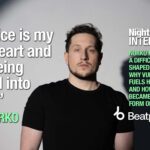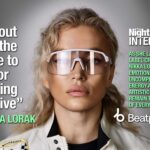




Belgian DJ, producer, radio host and creative director Nikka Lorak has never been interested in simply fitting into established categories.
Over the past several years, she has gradually developed a sound that draws together the emotional depth of melodic techno, the physical impact of peak-time energy and the cinematic sensibilities that continue to influence her work as both a producer and performer.
Now, with the launch of her new label, Cruel Kind Records and the release of its debut single, Control, Lorak is taking ownership of a vision that extends far beyond the dancefloor. Built around the idea of the “electronic rockstar”, the label aims to champion artists with strong identities, uncompromising creative instincts and the ambition to create worlds rather than simply release records.
In this conversation, Lorak reflects on the experiences that led her to establish Cruel Kind, the deeper meaning behind Control, the relationship between visual identity and music, and why individuality remains more important than ever in an increasingly crowded electronic music landscape.
Why did this feel like the right moment to introduce Cruel Kind to the world and why was Control the record you wanted to lead with?
I have reached a point where I wanted a complete creative freedom. Previously I released music through different labels, but now I am not just building records stack, I am building an artistic universe. Cruel Kind gives me the space to develop that vision without compromise.
I have experienced first-hand multiple rejections because my sound, although being headliner material, didn’t fit the genre box so now I create a platform that supports the artists who refuse to be defined by genre, as long as the deliver impact.
Control felt like the natural first statement because its about reclaiming ownership, of labels sound, direction and identity. Cruel Kind sound aims to move a stadium and thus we are looking for true electronic rockstars, uncompromised energy, structural development and cinematographic emotional impact.
The name Cruel Kind immediately catches people’s attention because it feels contradictory. What does that phrase mean to you and how does it reflect the philosophy behind the label?
Life is rarely one thing. The strongest moments often exist in contradiction. You can experience beauty and pain at the same time, confidence and vulnerability, discipline and chaos.
Cruel Kind represents that tension. The music isn’t designed to be comfortable, it should challenge emotionally while still giving a sense of release on the dancefloor. Also the name celebrates duality of artist’s power and vulnerability. I love contrasts, both visually and musically. That’s how I think the most memorable experiences are created.
You have described Cruel Kind as a home for electronic rockstars. Thats a powerful idea. What qualities define an electronic rockstar in 2026?
Being an electronic rockstar has nothing to do with ego or celebrity, perhaps just a little (laughing) It is about having the courage to stand for something distinctive and to generate energy strong enough to move a stadium.
In the era when anyone can technically make music, it is harder to stand out by creating a universe that people instantly recognise as yours. An electronic rockstar is not afraid to take risks, to have an uncompromising visual identity, a message and a personality that goes beyond current trends.
I want Cruel Kind to support artists who create strong emotional experiences rather than simply tracks.
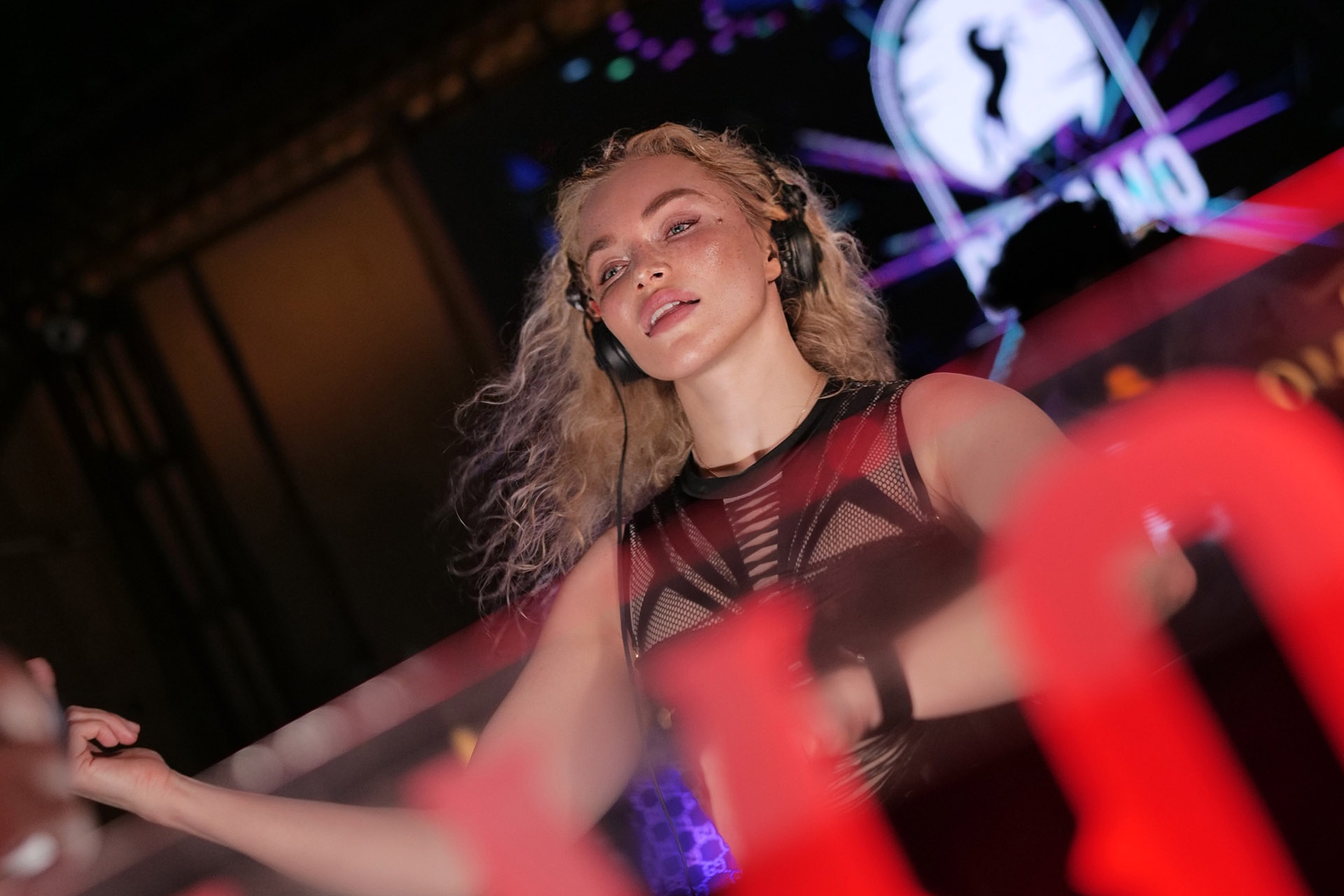
Nikka Lorak
Theres a strong sense of ambition running through the project. Was creating your own platform always part of your long-term plan or did a particular moment make you realise that it was time to build something of your own?
As a former film director and a serial entrepreneur, I have always been ambitious. In case of Cruel kind, however, ambition demands a clear direction.
There was not one defining moment but a gradual realisation that I wanted to create something bigger than my own career as an artist. I did not want to spend years waiting for the opportunities and permissions so I created the platform I believed should exist.
I would say Cruel Kind was hugely inspired by rejection and necessity to fit someone else boxes which was definitely not an option for the sound and approach I am building.
Your background in film, photography, and creative direction gives you a very different perspective from many producers. How has that experience shaped the way you approach music production and live performance?
I often see music through colours. Not only the notes but also sound intensity and the range of frequencies. This vision started from shamanic sound healing session in Pyramids of Chi in Ubud, Bali. A 90 min long session takes you through range of various sounds that are designed to awaken your inner senses. Not to be mistaken with ayahuasca sessions, sound healing is to be experienced sober. Nevertheless, the experiences I went through could perhaps be compared to Hans Zimmer cinematic score performed by an orchestra or a large organ in London’s St Pauls cathedral. It made me see sound through colour.
Another aspect that I have brought from filmmaking is structural development. I can’t stand endless loops, although it can sound ‘hypnotic’ to many. I am getting immediately bored. I need development and high contrast between the track’s parts. I’m a sucker for drama, intense build up and a thick drop.
You’ve spoken about wanting to combine emotional storytelling with powerful dancefloor energy. How do you strike that balance without sacrificing one for the other?
Emotion gives people a reason to remember a track. It is that cathartic moment with hands in the air, people would remember for years. That peak moment of their night, their holiday or maybe even their youth. Energy gives people a reason to move and release their joy, tension, suppressed anger and disconnect in a shared wave of feast pumping.
The challenge is making sure neither exists at the expense of the other. That is why I am all about contrast and structural development. Track is a proper story, with its peaks and lows. I want to create records that work at five in the morning in a warehouse but still make you feel something when you listen alone on headphones. That is the balance I’m always searching for.
The title Control feels especially interesting at a time when artists are under pressure to constantly create and control their own content, build their own brands and remain visible online. Is there a deeper meaning behind the title?
Definitely. On the surface it sounds powerful, but the track is really asking a question: how much control do we actually have? Nowadays artists are expected to be producers, marketers, content creators and entrepreneurs all at once. I discussed this topic in lengths on Racor podcast in Lisbon. With all these extended expectations it’s easy to lose yourself. For me, real control isn’t about controlling everything around you it’s about protecting your artistic identity despite all the noise.
Additionally, as a new label owner, I’m stepping into the shoes of a person in charge, a supportive and nourishing role that requires me to take full control over A&R and selection, give informative feedback, develop artists, take care of logistic and paperwork. Now I’m not only responsible for my own career but also for releases of artists who trusted to submit demos and ultimately to release on Cruel Kind.
Are there particular filmmakers, visual artists or even fashion designers whose work has influenced you?
Oh yes! I’m inspired by creators who have built complete universes rather than individual projects. David Lachapelle, Quentin Tarantino, Tim Burton are the creators whose universes are instantly recognisable and are fascinating to explore. Cinema would always influence me because great directors understand pacing, tension and emotion – the same principles that make dancefloor work.
I’m also fascinated by fashion because it communicates identity before a single word is spoken. The strongest artists understand that visual choice and personal branding become part of the language they communicate to the world.
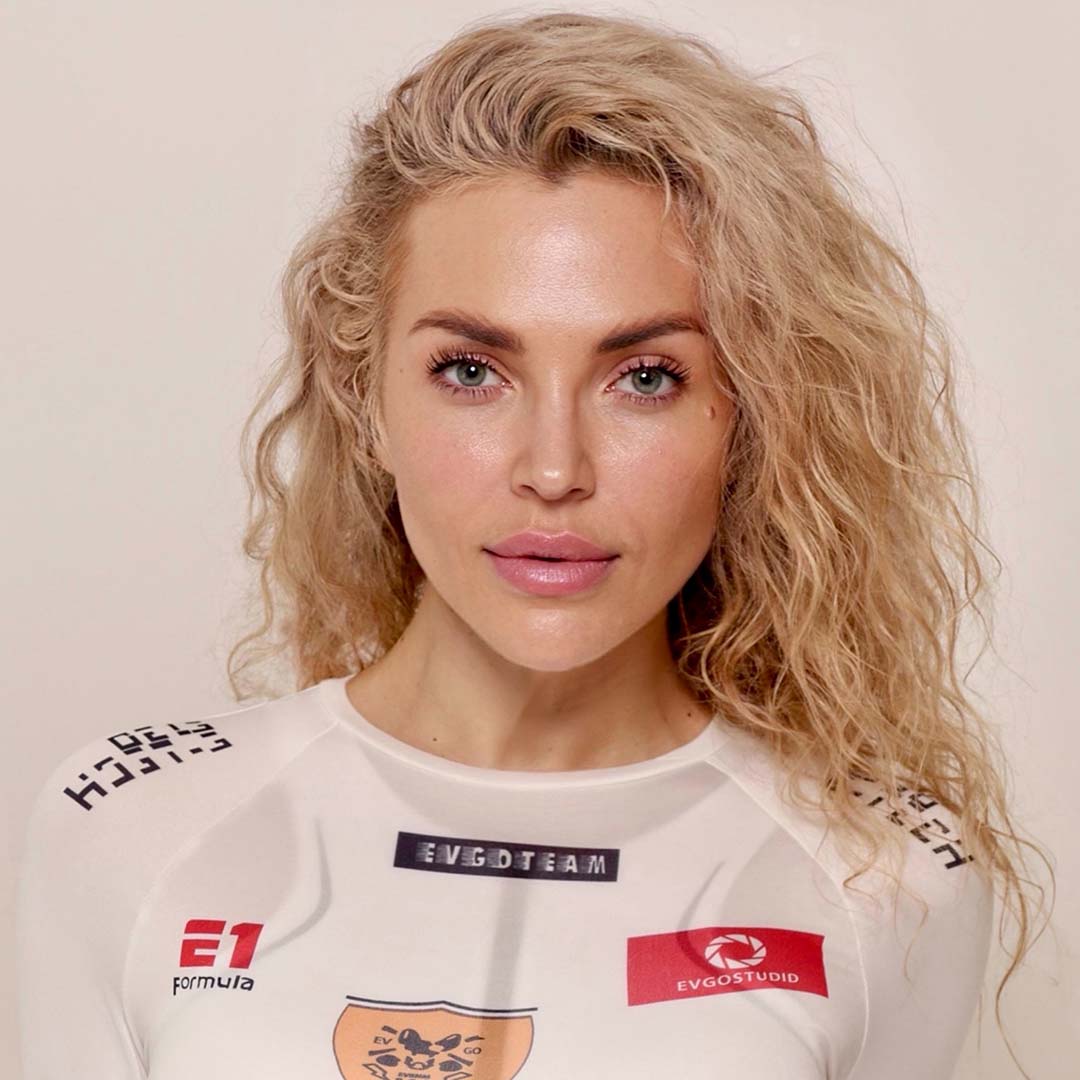
Nikka Lorak
Your music lands somewhere between melodic and peak-time techno with occasional elements of psy-trance. Did finding that balance happen naturally?
It evolved naturally. Coming from melodic techno, I have always been drawn to a contrast between tension and emotion, but over time I found myself wanting more physical energy and more impact. I’m interested in music that arises strong emotions while still delivering the intensity expected on major festival stages. That combination feels inspiring to me.
I came to DJing to perform, to be an entertainer and as my ambition is to move a stadium with my sound, both the emotional and energy impact should certainly be there.
How difficult is it for emerging artists to maintain a strong sense of identity with how they present themselves and their music?
It’s incredibly difficult because there is constant pressure to imitate whatever is currently working and fit into a box. But trends disappear very quickly. Identity takes much longer to build. However, it is genuine and thats why it is valuable. The artists people remember are rarely the ones who followed the trends, they are the ones who created their own lane.
That’s is also the reason why at my label Cruel Kind I broaden submission genres from peak time techno to drum n bass and psy-trance as long as demo is a quality headliner material, high energy and structural development – three pillars I’m building my A&R on.
As somebody who has spoken at industry events about branding and visual identity, do you think modern artists have to think more holistically than ever before?
Absolutely. Music is still the foundation, but audiences experience artists through many different touchpoints now, including the variety of social platforms. Your visuals, performance, communication and your values all become part of the story. The important thing is authenticity. Branding should not be something one is forced upon; it should amplify who the person already is.
I appreciate that strategising, planning and creating visual content is challenging and takes lots of effort, but that’s is what is necessary to stay relevant and competitive in oversaturated creative market. To all aspiring artists I would suggest counting in personal branding as a necessity from the start of their career. Luckily, branded content can be very different from one artist to another and can be fun to make.
The labels mission statement mentions both huge festival stages and intimate underground spaces. Do you approach those environments differently as a performer?
The technical approach changes, but the intention does not. In both cases my goal is the same: create moments that people remember long after the lights come back on.
A warehouse gives you intimacy. It is a great place for intense and gritty sound; there is a room for experimentation. A festival gives you scale: here is a rockstar arena thats would respond better to epic cathartic moments and recognisable melodies in a remix. I enjoy performing in both scenarios.
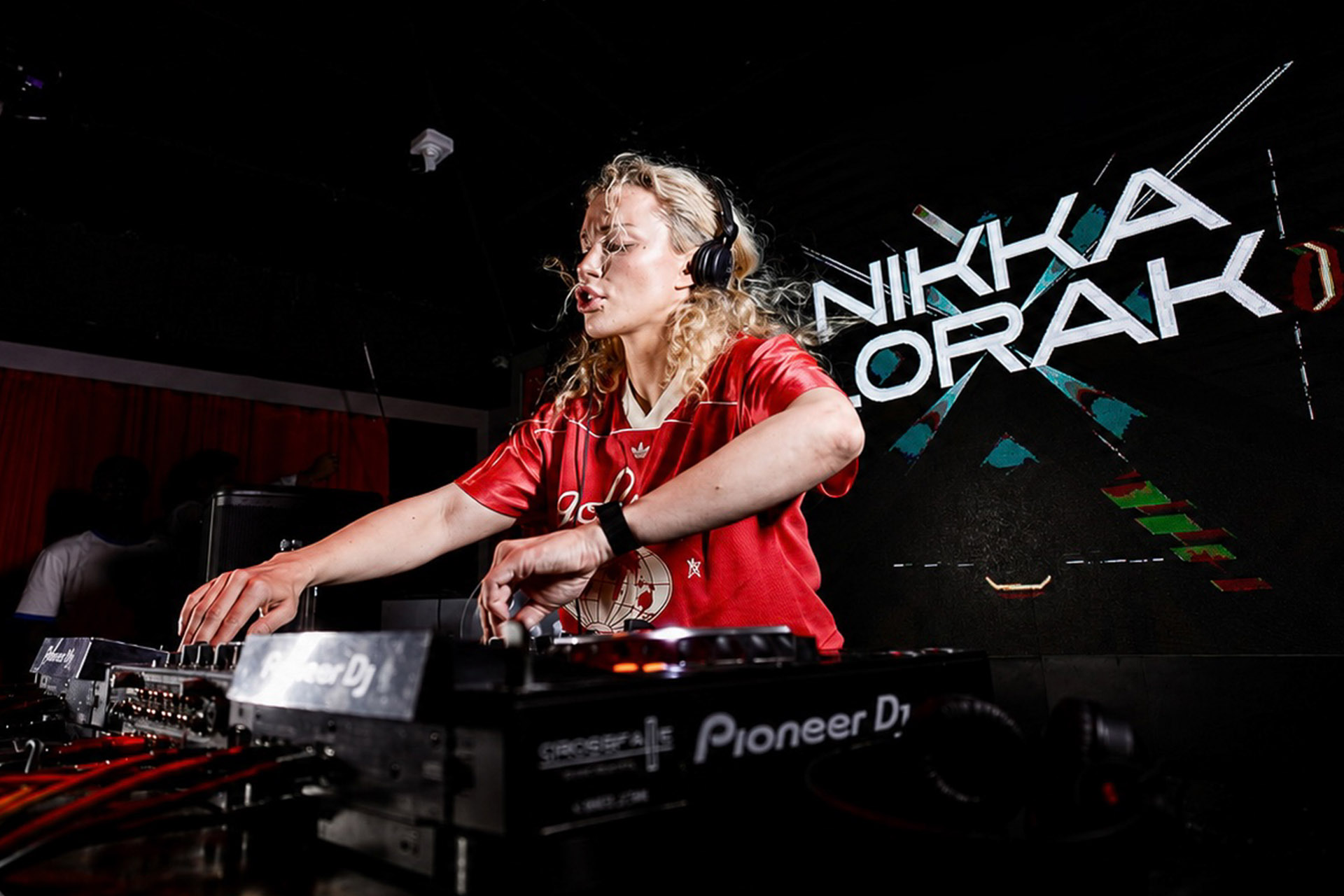
Nikka Lorak
Cruel Kind Records is clearly about more than simply releasing records. What kind of community are you hoping to build around the label?
I want Cruel Kind to become a home for artists whose sound and personality is bigger than most boxes. Not just producers, but storytellers. Not just DJs but entertainers. People who care about sound, visuals, culture and pushing electronic music forward. If artists feel encouraged to be more original because of this label, then we’ve achieved something meaningful.
I want Cruel Kind to be a hub, not only facilitating music releases but also Im planning own events, fashion and lifestyle merchandise line, charity project that supports less privileged children education and grants for aspiring artists.
Finally, when people look back at Cruel Kind a few years from now, what do you hope they’ll say the label stands for?
I hope they’ll say that Cruel Kind brought back old-fashioned labels values of artist development and was not afraid to believe in artists with strong identities. That it helped shape a generation of electronic rockstars. And that every release stood for quality, courage and individuality, not because those words looked good in a mission statement, but because you could hear them in every record.
Nikka Lorak – Control is out now on Cruel Kind. Grab it on Beatport HERE.
Head to Beatportal to read The Night Bazaar exclusive interviews in partnership with Beatport HERE.