




Yet behind the project lies an intentional ambiguity. Choosing to remain anonymous, Third Person describes the music as emerging from a state of detachment — a period where endless nights, empty streets and the absence of collective experience transformed both the creative process and his relationship with identity itself. Built from a sprawling collection of analogue instruments, modular systems and improvised recordings, the album rejects rigid genre boundaries in favour of fluidity, imperfection and subconscious instinct.
Ahead of the release, we spoke with Third Person about anonymity, jazz philosophy, pandemic surrealism, analogue obsession and the lifelong dream of releasing on R&S Records.
Your alias has a certain anonymity and ambiguity, even the name Third Person feels detached or observational. What drew you toward that identity, an ‘unidentified presence’ and how does it shape the music itself?
I’m really pleased that you immediately grasped the purpose behind my choice of alias, which makes me think I chose well, because what I needed, and still need, is to make music by detaching myself from what I normally do. The album was conceived and produced during the pandemic period, and the atmosphere around us was already strange, and a few months after recording the album I thought: but who actually made this? How did I manage to make this music? And so, I decided to use Third Person because I experienced a total detachment and yet awareness of reality and exactly as you said, the first spectator was myself.
With the album about to land on R&S Records and make an impact with the iconic imprint’s legions of faithful, discerning fans of electronica, would you prefer to remain something of an enigma as an artist?
Yes, for now I prefer to remain an enigma and once again a spectator. I won’t hide the fact that R&S is, to me, an institution of electronic music, and releasing my album on this label is the realisation of a dream that began in the early 90s and I would love to shout my identity to the entire world, but for now, this feels right.
Is there anything else you can share with us about your background so our readers can get a bit more insight into you as an artist?
I come from a family of musicians, from my grandfather onwards, my entire family has always been involved in music and creativity in various forms. Collectors of musical instruments, both acoustic and electronic, collectors of records ranging from jazz to electronic and hardcore, so I believe that all these influences, etched into my DNA, have shaped the style you will hear in my album.
This album feels deeply exploratory, but never directionless. Were these tracks built through improvisation first and then refined later or was there always a strong compositional framework underneath?
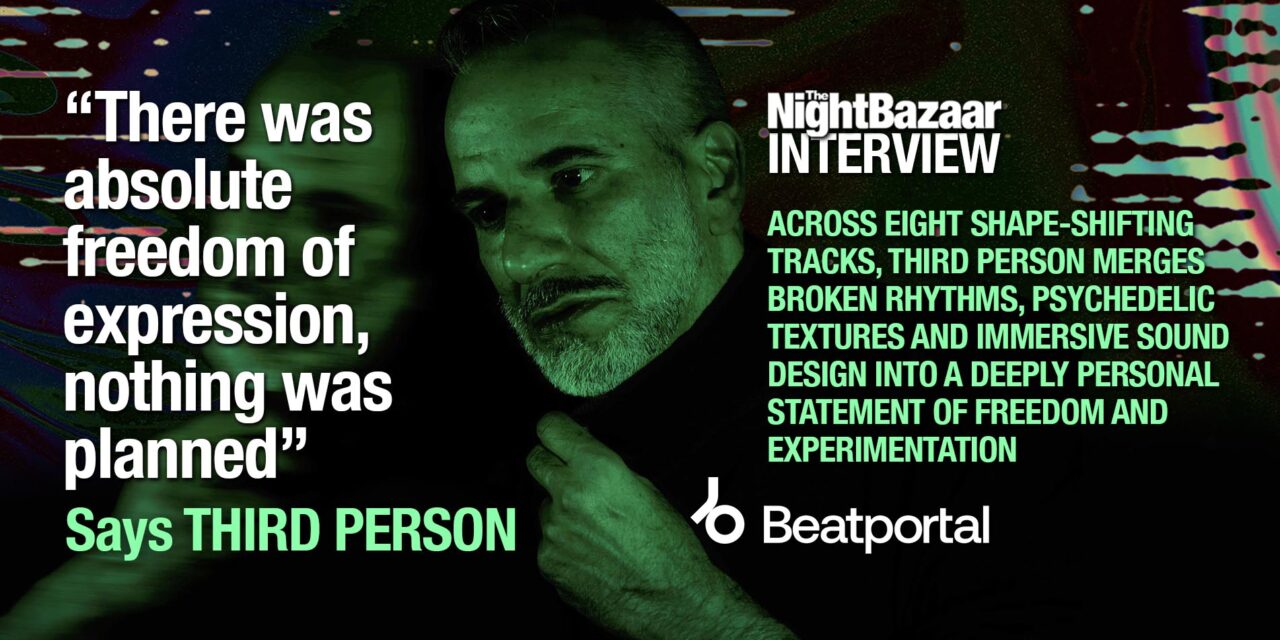
There was absolute freedom of expression, nothing was planned, but as I mentioned before, being in the pandemic period meant that many things were different, starting from the surreal silence of the city, empty streets, endless nights. I recorded sound by sound and composed track by track without any real purpose or preconception, and I think you can hear that in the album, where there are entirely acoustic tracks alongside entirely electronic ones.
There’s a constant tension throughout the record between abstraction and propulsion, moments that feel almost disorienting suddenly lock into groove. How conscious are you of balancing experimentation with physical movement?
Having no longer any way to go to parties or festivals, and through those static months of the pandemic, yes, I needed groove and movement to stay alive.
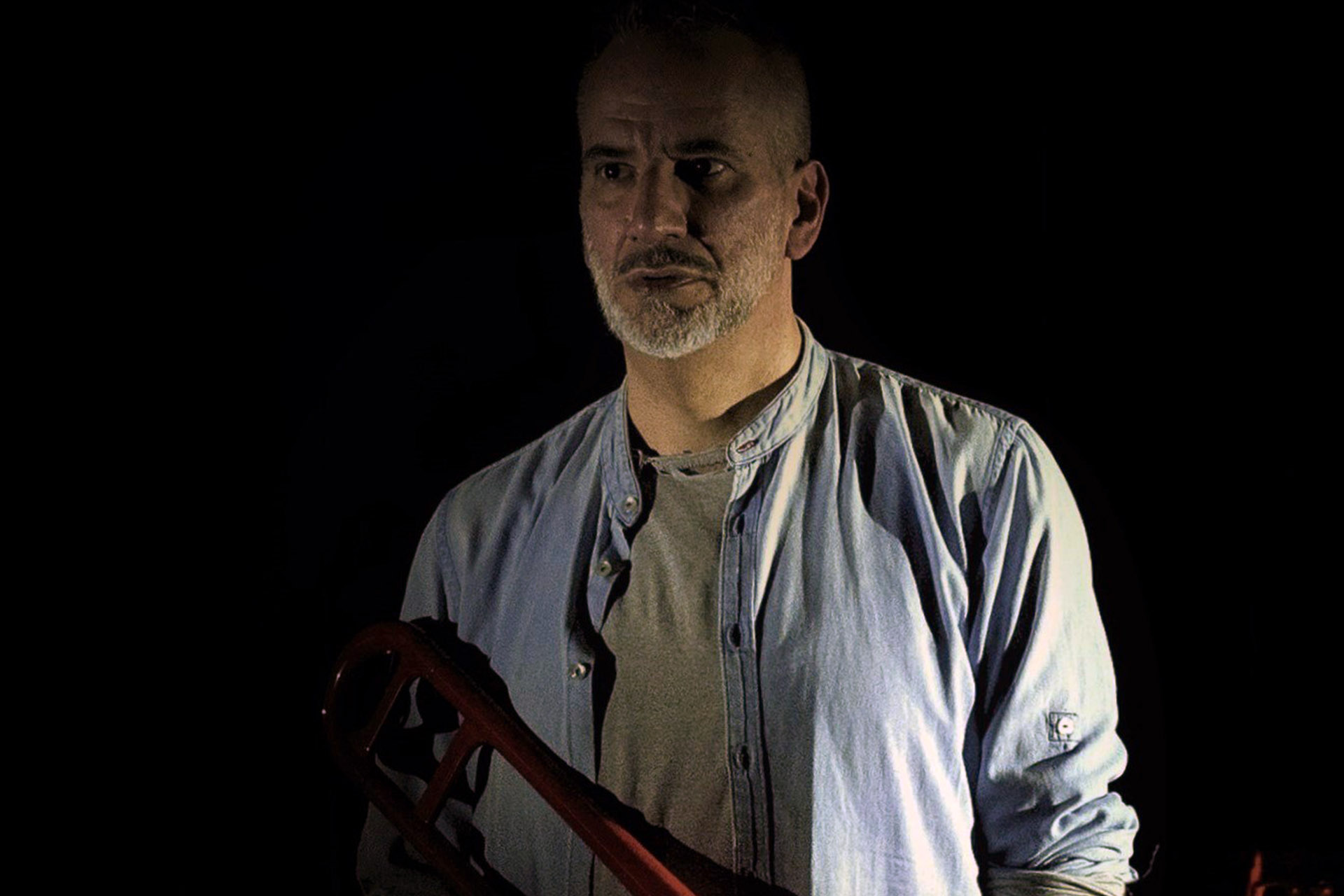
Third Person
What aspects of jazz philosophy or musicianship influenced the album most strongly?
The entire album was influenced by jazz, because jazz is an open musical form, free from formulas or forced attempts to achieve commercial success at all costs, it is the union of thousands of notes and sounds that creates a surprising journey, both for those who compose jazz and for those who listen to it.
The album has a very fluid sense of time, tracks seem to evolve organically rather than follow conventional arrangements. Were you intentionally trying to resist predictable dance music structures?
Yes, and as I mentioned before, this is precisely the magic of jazz, the freedom to not follow conventional patterns.
‘Person Four’ carries traces of classic early R&S energy with those raw 303 lines and submerged low-end pressure. Did that track a deliberate conversation with the label’s history?
Listening to it now that it’s on R&S, one might think that, but it wasn’t something pre-planned. I frequent clubs, festivals and concerts, and it was natural to have this crossover of styles. I have great respect for R&S, just as I have respect for Miles Davis and certain DJs.
R&S has always championed artists who push at the edges of electronic music rather than settle into genre. What did it mean for this project to land on the label?
The dream of a lifetime, a lifetime spent in the studio.
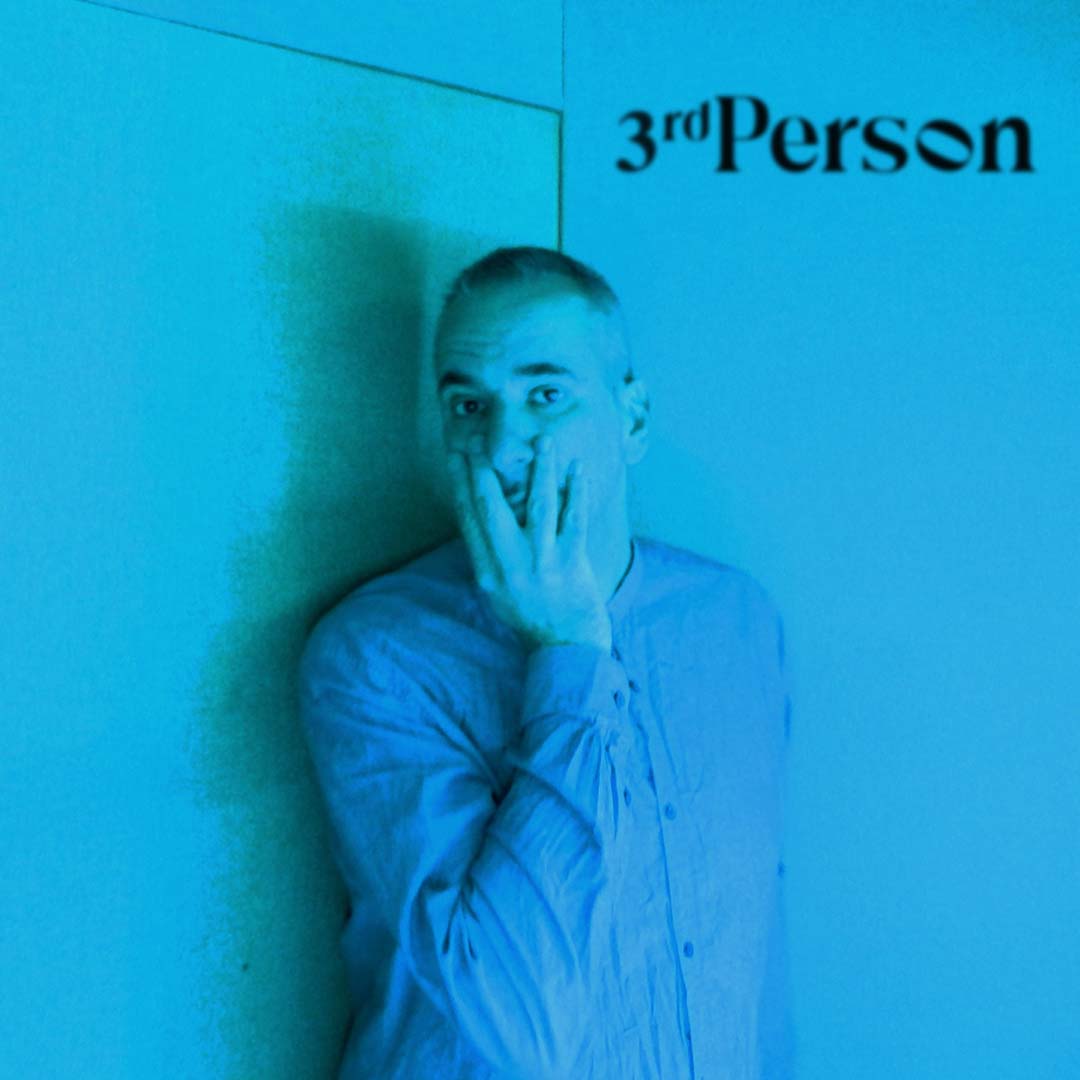
Third Person
A lot of electronic music feels way too defined by genre tags, but this record slips constantly between techno, jazz, broken rhythm, ambient space and drum & bass. Do you think in genres at all when making music?
Not entirely, I listen to various things, I follow many artists from the present and the past across different styles, and I think that automatically your soul retains certain musical passages or things that strike you and leave a mark, which then emerge from the subconscious when you produce your own music.
Are there particular tools, recording techniques or processing methods you relied on to create the immersive qualities of music on the album?
Thanks to my family we collecting instruments is a fever I inherited from the 1950s, so I find myself with guitars, acoustic and electric basses, organs, etchnic instruments, percussions and a drum kit and then I clearly added more modern machines to this collection, such as modulars, Moogs, various electronic drum machines, etc. For the recording I used a 64-channel desk that I have had with me for many years, compressors, equalisers and analogue pedals, etc. In our family we have always bought instruments and never sold them.
There’s a psychedelic quality to the album that feels cinematic. Was this the intention?
During the pandemic period I needed my own soundtrack to face those days, those absurd times, so it is definitely a personal soundtrack of that period.
Some tracks feel intensely meditative, while others clearly point toward the dancefloor. Did you imagine this album primarily as a club record, a listening record or something intentionally suspended between the two?
A dynamic listening experience, in any case, to stir in myself and in whoever listens to the album the need to move and to have space to think.
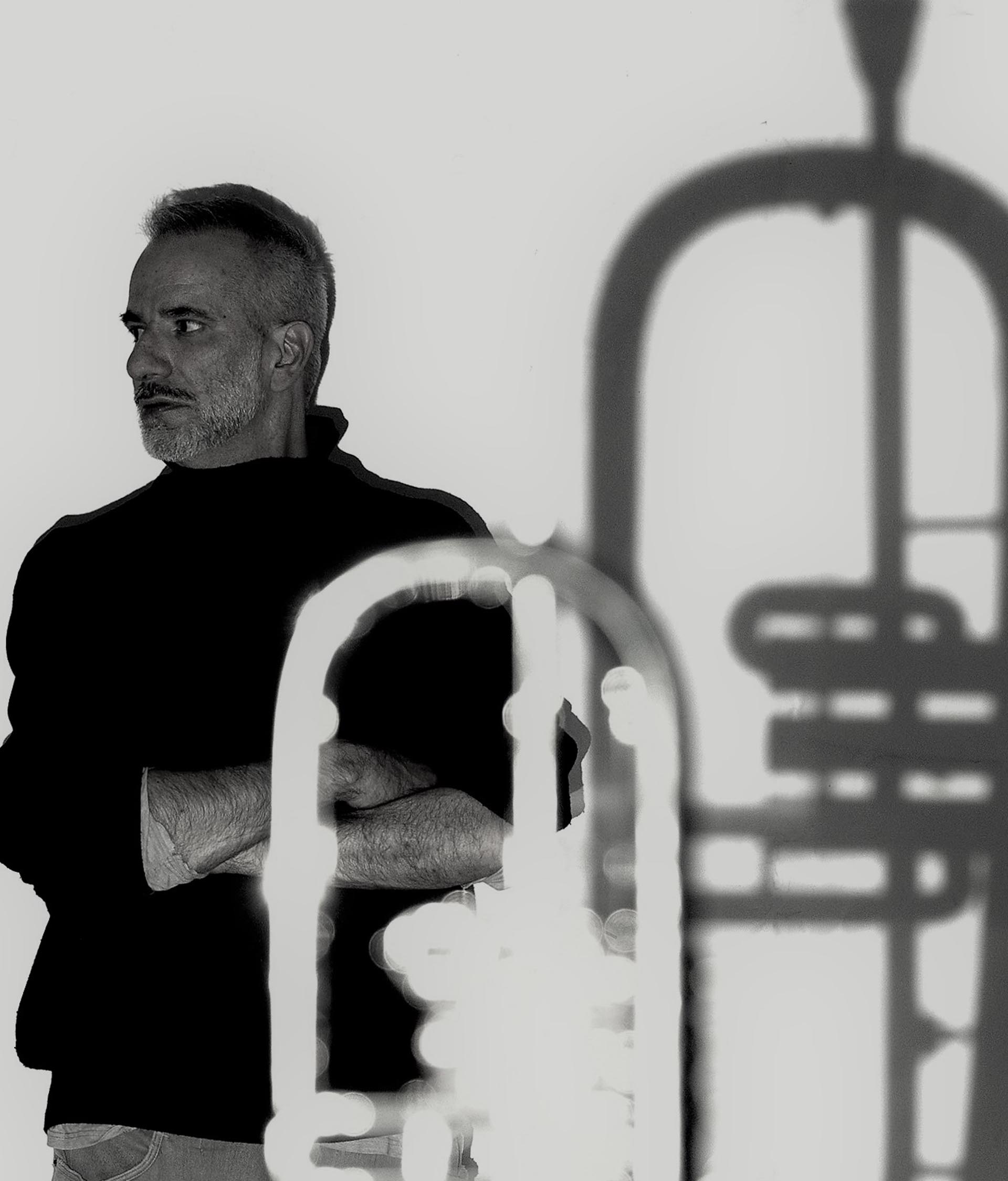
Third Person
There’s a sense throughout the record that rhythm is treated almost like conversation, patterns interrupting, responding, drifting apart, reconnecting. Do you see improvisation as central to the way you create your electronic music?
Yes, in my opinion everything starts from improvisation, and then in the arrangement the aim is to honour that improvisation while giving it a complete sense, so not a hanging improvisation, but an improvisation with a narrative, a beginning and an end.
What kinds of environments or emotional states were shaping these recordings? Did the music emerge from clubs, solitude, live jams, late-night studio sessions or somewhere in between?
Exactly from everything you mention, and precisely from the fact that we were living through the isolation of the pandemic.
A lot of producers talk about searching for “perfect” sound design, but this album embraces texture, friction and unpredictability. What interests you about imperfection?
Perfection does not exist. Imperfection gives space to imagination and creates open spaces. Perfection, to me, is a closed, well-defined and limited enclosure from which you cannot escape, whereas imperfection gives you the means to jolt both the brain and the soul, because they are struck by unexpected elements and personally, I love that feeling.
Now that Third Person is introducing the project to the world, do you see this album as a foundation for what comes next, or more like a snapshot of a specific experimental phase?
This is the DNA, in the future it may take on different forms, rhythms and sounds, but I am certain that the perception of the style will remain tangible even going forward.
Third Person – Third Person is out on R&S Records on 12th June. Pre-order it on Beatport HERE.
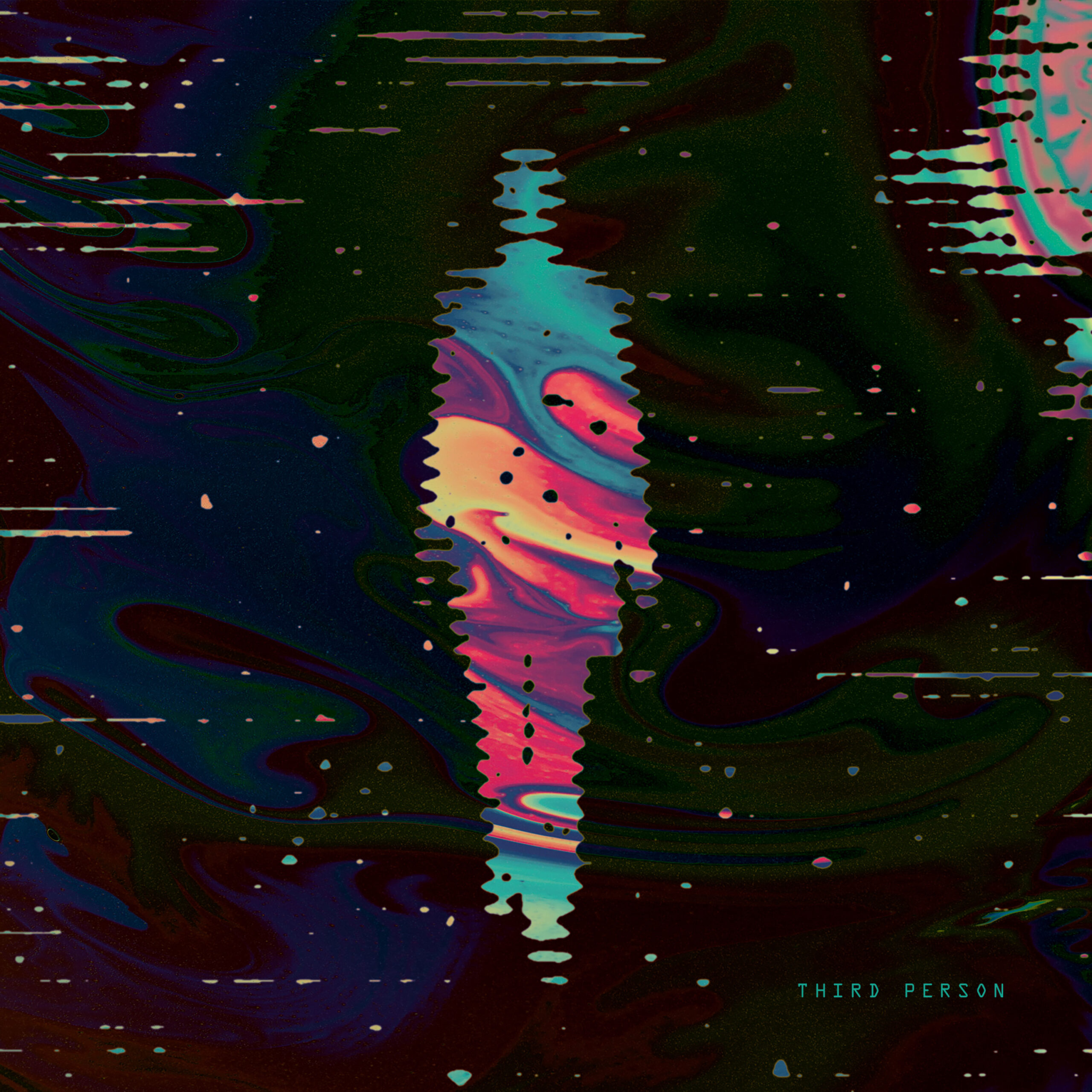
Third Person – Third Person
Head to Beatportal to read The Night Bazaar exclusive interviews in partnership with Beatport HERE.