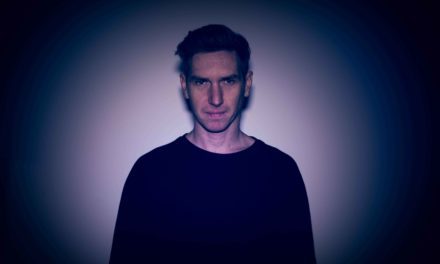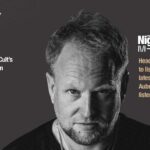





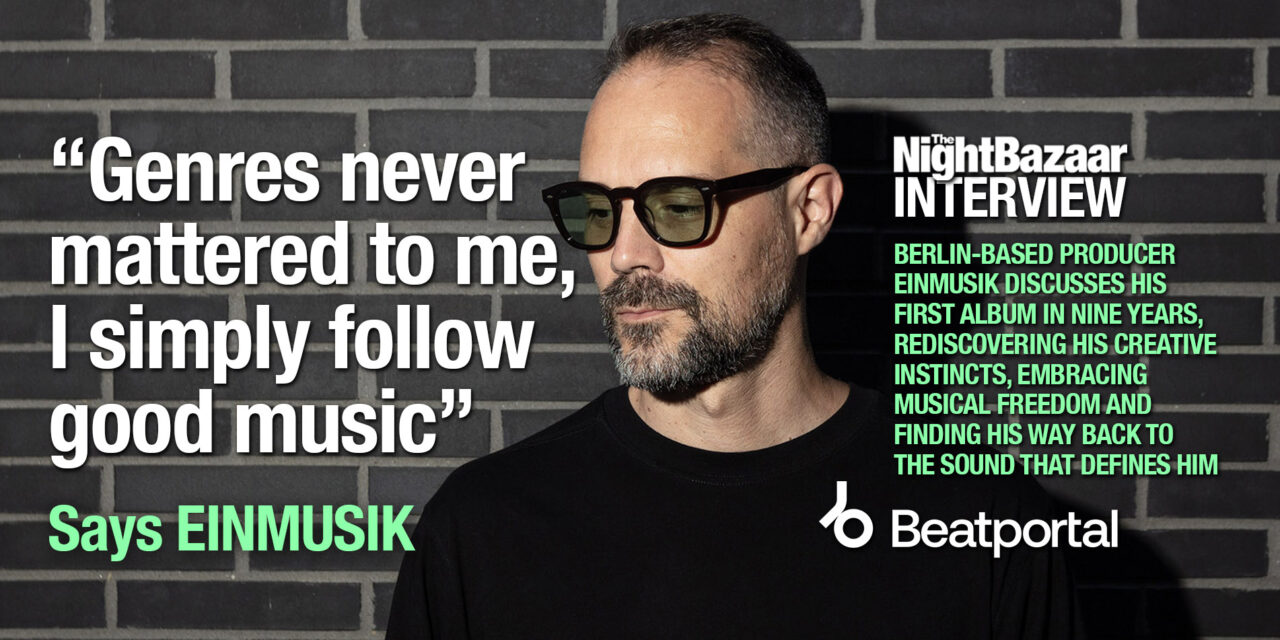
Released on his own Einmusika Recordings imprint, the album moves effortlessly between melodic house, progressive electronics, ambient soundscapes and nostalgic 80s synth pop, bringing together years of ideas and collaborations into a cohesive musical statement. But rather than chasing trends or reinventing his sound, Einmusik has found renewed inspiration in simply trusting his instincts and rediscovering the joy of making music.
As a new generation discovers his early productions, the acclaimed artist finds himself coming full circle. Here, he discusses the experiences behind The Long Way Home, the creative freedom of running his own label, the importance of genuine human connections and why, after more than two decades in electronic music, staying true to himself matters more than ever.
Your new album The Long Way Home is described as being inspired by life’s changes and the decisions that ultimately lead us back to ourselves. It’s a particularly evocative title. What does The Long Way Home mean to you personally, and what experiences or reflections inspired the album?
To me it means coming back to the core of who I am as an artist. I’ve noticed that the deepest connection with my audience happens when I stop overthinking and just make music out of pure joy. At the same time something funny is happening: tracks I made 20 years ago are being played again by a new generation of DJs, and a lot of what was big in my youth is cool again. It feels like life is taking me back to the start, just with all the experience I’ve gathered on the way. I never planned that, and I’m really grateful to be living it.
You’ve been producing music since the 1990s and releasing as Einmusik since 2003, so you’ve experienced enormous changes both personally and within electronic music. What makes this album feel like a new chapter and how does it differ from your previous work?
My last album, Serenade, came out in 2017, so this is my first album in nine years. Some of these tracks sat on my drive for years and over the past year I found my way back to myself and my sound. It feels new because I stopped thinking about what is expected and just followed what excites me. I also have the feeling that society went through a major shift over the last years, and a lot of things feel like a new beginning, for me as well.
There’s a fascinating musical breadth to The Long Way Home, moving between ambient soundscapes, vocal-led trance, melodic house and driving progressive productions. Was this diversity something you deliberately set out to explore or did the different musical directions emerge naturally as the album developed?
None of it was planned. Genres never mattered much to me, I simply follow good music wherever it is, and at home I listen to everything, especially classics from the 70s and 80s. For a long time I didn’t even know there would be an album. In midsummer I listened to all my finished tracks and sketches in one go and suddenly they made sense together, like different chapters of the same story. That’s when it clicked.
You’ve previously spoken about remaining true to your own musical vision rather than allowing expectations or criticism to dictate your direction. With The Long Way Home exploring the idea of returning to yourself, is there a connection between the album’s underlying message and your own journey towards creative independence?
Definitely. Over the years I learned that whenever I tried to fit expectations, the result felt less like me, and people feel that too. This album is the opposite of chasing anything. It’s me returning to what I love, and I think that’s exactly what the title stands for.
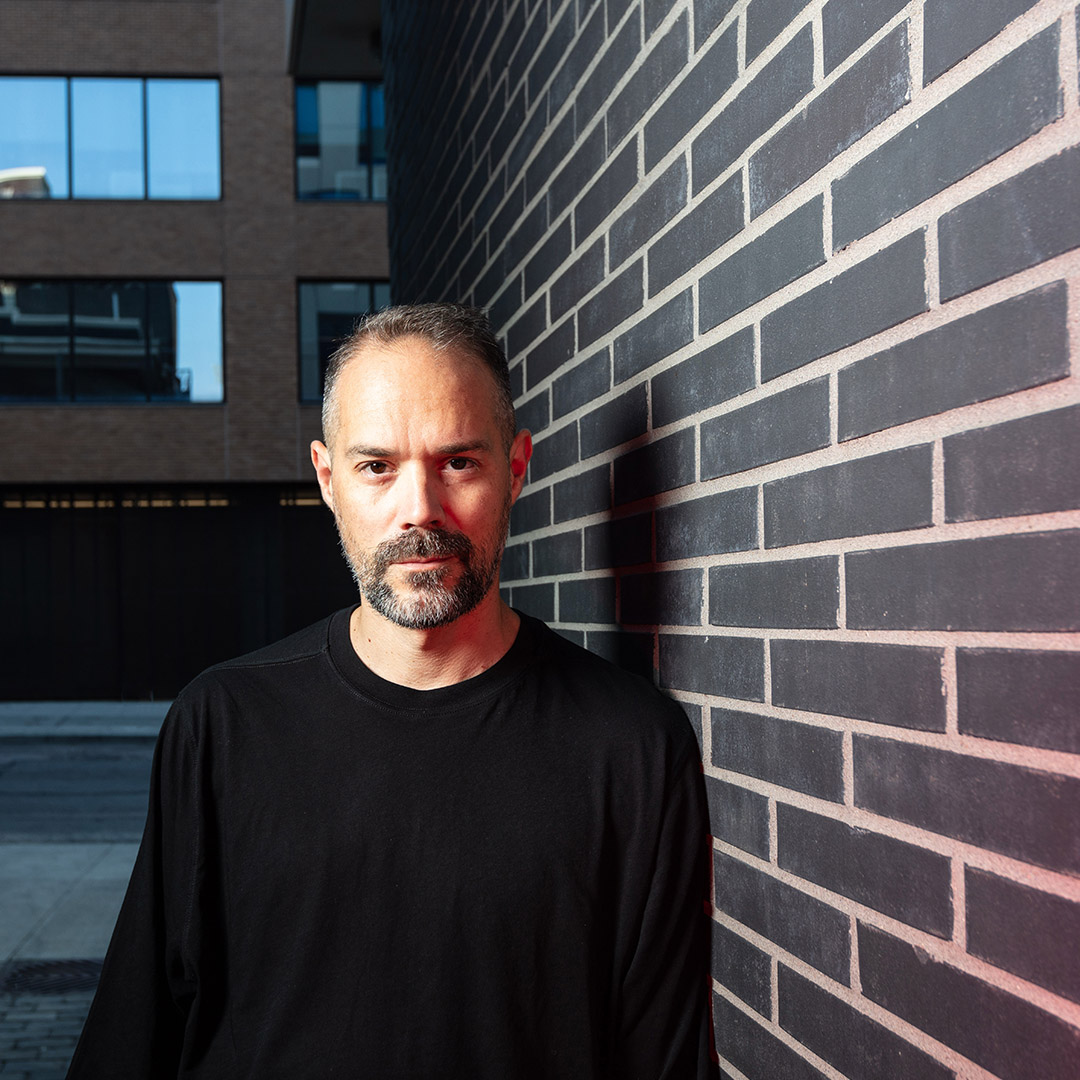
Einmusik
Your music has always carried a strong emotional and melodic identity, but there’s an important distinction between making tracks that work on a dancefloor and creating an album that tells a story. How did you approach the narrative and sequencing of these twelve tracks and how important was it that listeners experienced the record as a complete journey?
Once I had all the tracks in one folder, I listened to them again and again in different orders until it felt like a journey with a beginning and an end. I did that everywhere: in the car on road trips, at home while cooking, and on my headphones while travelling. Each situation tells you something different about the flow. I really hope people take the time to listen from start to finish, because the tracks talk to each other. But of course, everybody can pick their own favourites.
The album features several carefully selected collaborations, including Huminal on Quake, Apropos on Miss You, RA:PHA on Losing My Mind and Siim Griffel on Still Holds On. What drew you to these particular artists, and how did their individual contributions help shape the emotional and musical character of the album?
Most of the people on this album are artists I’ve been working with for years. These days I’m quite selective, both in music and in life, and the vibe between people matters more to me than names. With Huminal on Quake, for example, he started with this fat bassline, and I brought in my signature drums, stabs and pads, which took the track somewhere neither of us would have gone alone. Losing My Mind came together quite randomly. RA:PHA sent me some sketches, and when I asked for stems it turned out he had lost the project. Luckily, he had saved a few files, so I took those and built what was missing. Siim Griffel is a good friend and a very promising artist. After our first collab, “Remember Me”, he sent me the idea for Still Holds On, and the stabs in the hook line caught me instantly, so I had to finish the song in my own way.
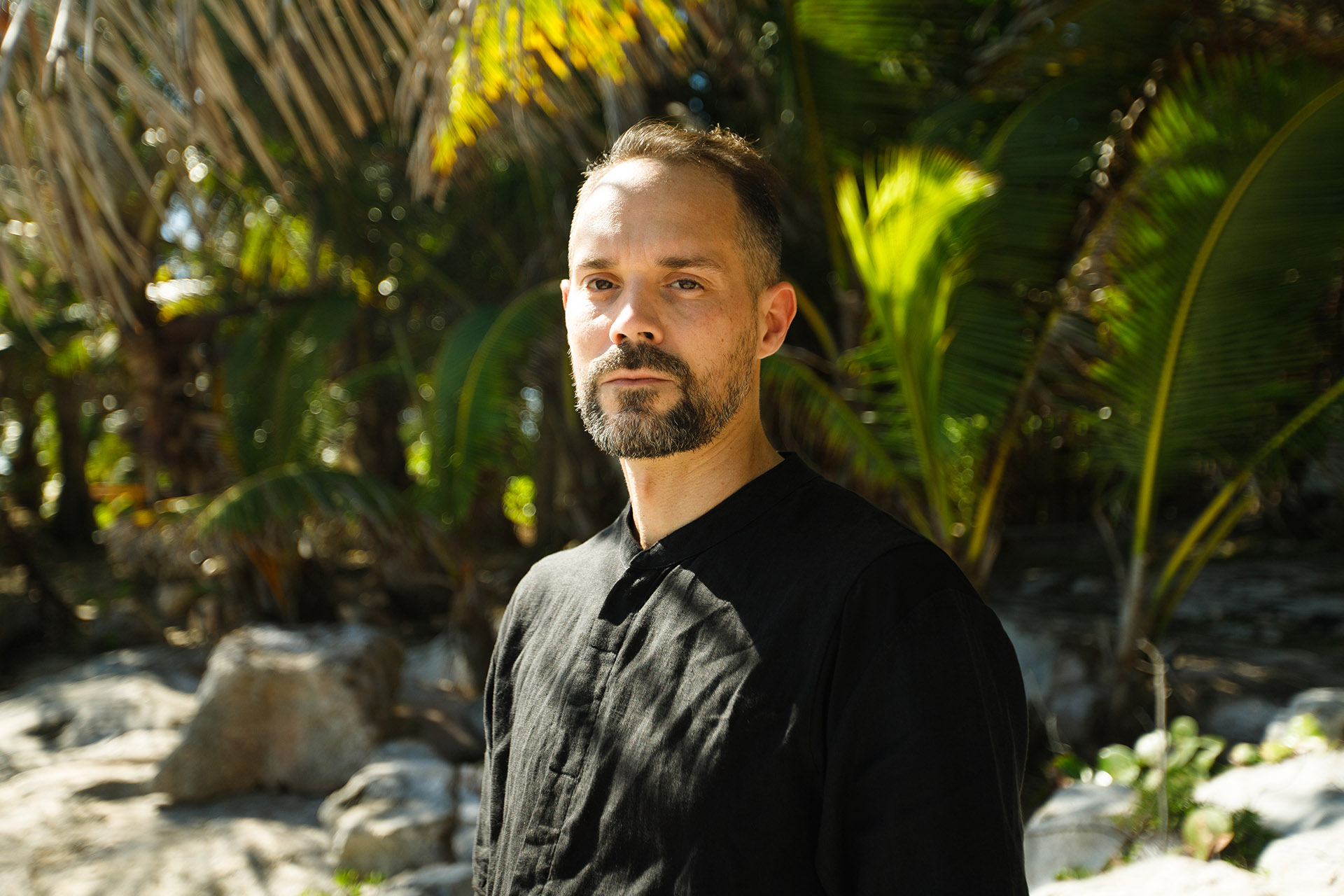
Einmusik
Miss You marks your second single collaboration with Apropos. What is it about your creative relationship that works so well, and how did this particular track develop? More broadly, what do you look for in a collaborator that allows you to explore something you might not discover working alone?
Anything for You was our first single together, and it just clicked. For Miss You, Apropos came up with this great idea with gated trance stabs and vocals. We worked from our own studios and sent ideas back and forth, and somehow it ended up carrying some vibes of my track We Talk About Dreams, which felt like a nice little circle closing. What I look for in a collaborator is that the energy feels right and that they bring something I wouldn’t do myself. If a file comes back and surprises me, I know we’re onto something.
Are there particular tracks that represent important turning points in the album’s creation, or perhaps reveal a different side of Einmusik that listeners might not immediately expect?
The title track The Long Way Home was the turning point. It was the first single, and when I finished it, I knew I had to make an album that sounds completely like me again. For a different side of Einmusik, I’d point to Sternenstaub, Vampires and Möwenflug. Retour also shows something people might not expect from me: melancholic 80s synth pop with French movie vibes, which is where my musical roots are, too.
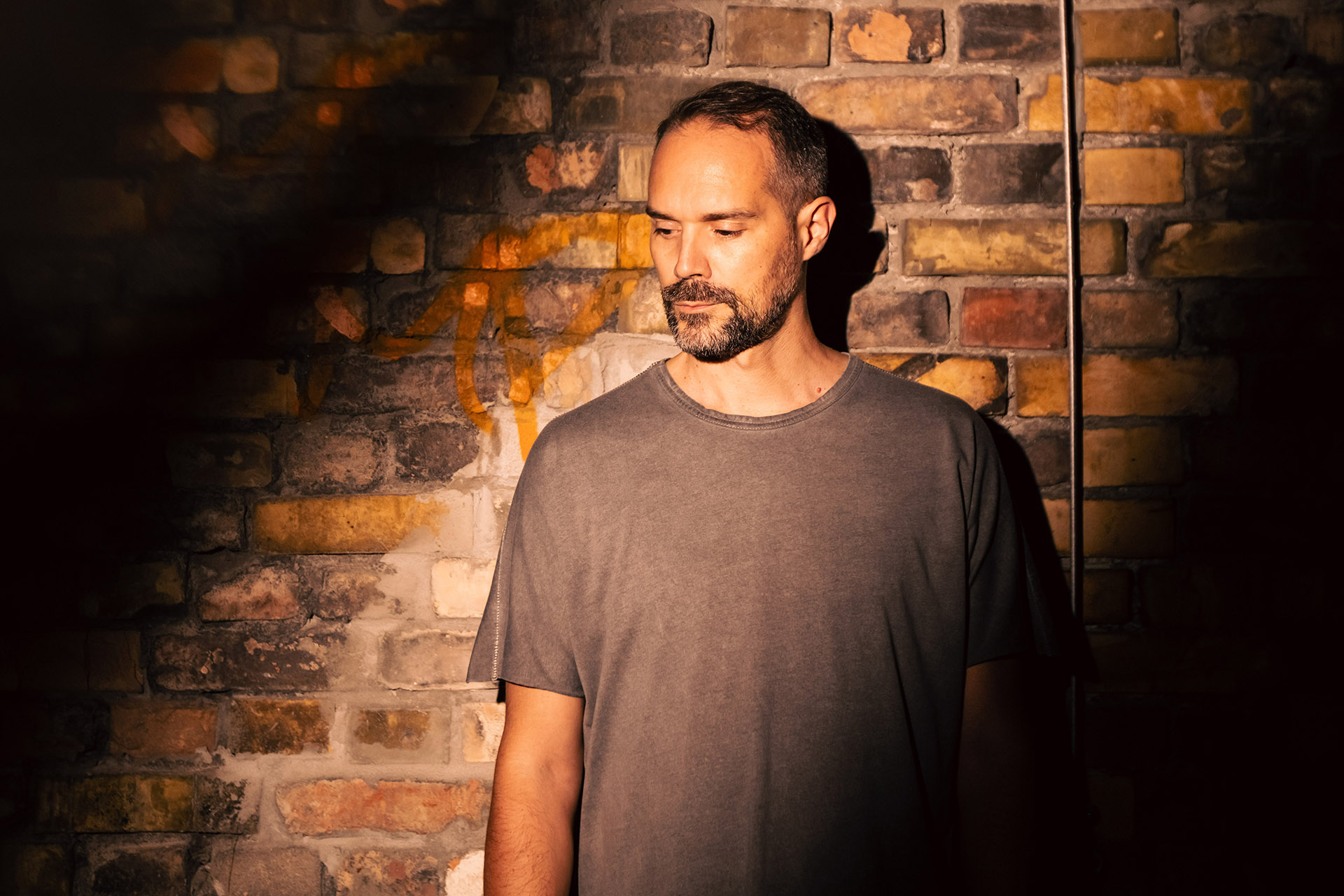
Einmusik
Do you imagine how a track will affect an audience or is the starting point something much more personal?
It always starts personal. I sit in the studio and follow a sound or a feeling, and only when a song is finished do I think about where it could live, on the dancefloor or on headphones. Usually the title comes last too, from the impression the song gives me. Möwenflug comes from that croaky hook in the break, and Spirals just sounds like one big spongy spiral to me.
Did you experiment with any new instruments, studio processes or approaches to sound design on The Long Way Home, and were there moments when you deliberately stepped outside your usual methods?
Not really. Since the pandemic I’ve had a studio exactly the way I always needed and wanted it, and I haven’t changed anything essential since then. For me that’s actually the point: when the setup feels like home, I don’t have to think about tools anymore and can fully focus on the music and on where a song wants to go.
In the previous feature we did with you for The Night Bazaar, you spoke about the extraordinary moments when music brings an audience together, particularly with tracks like Nassau. You’ve also discussed the emotional connection people have with your Cercle performance at Preikestolen. How have those experiences influenced the music you create today, and did they inform your approach to this album?
Those moments showed me that people connect most with music that has real emotion in it, not with what’s seasonal. Right now, the strongest one for me is We Talk About Dreams. No matter where I play it, São Paulo, Oslo or at ADE, people go wild and sing the hook line melody. That, and reading the comments under the Cercle set at Preikestolen, which has been watched around 18 million times, still gives me goosebumps. It gave me the confidence to make an album that is emotional first and functional second.
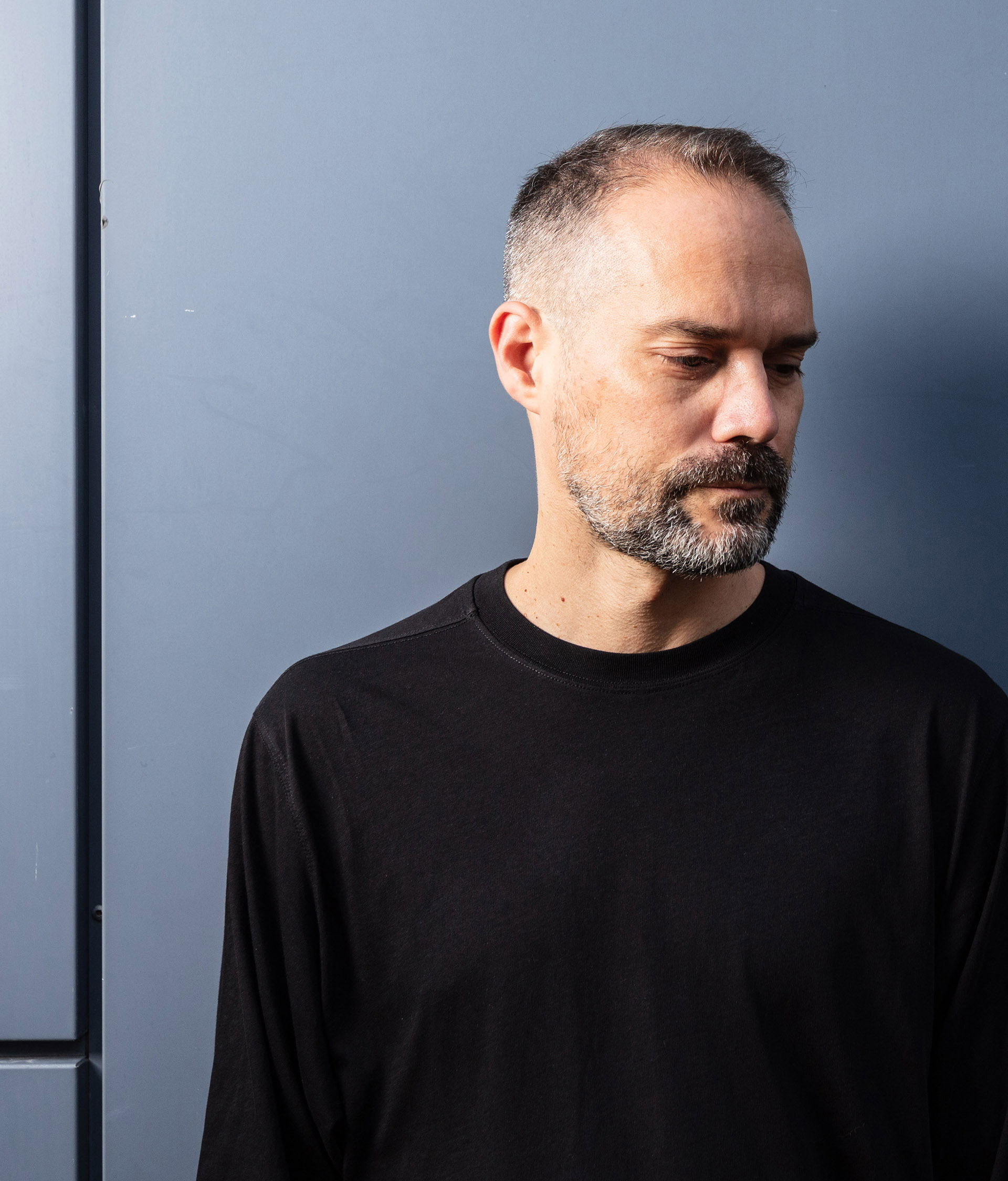
Einmusik
Einmusika Recordings has been an important part of your creative life since 2008, providing a platform for your own music and for artists whose work you believe in. How has running the label influenced your development as a producer, and what does releasing such a personal album on your own imprint mean to you?
I founded the label in 2008/2009, and running it taught me a lot about patience and about trusting my own ears. Listening to so many demos and working with artists I believe in keeps me curious and sharp as a producer. Releasing such a personal album on my own imprint feels right, because nobody had to approve it except me. I even did the mastering myself, so everything was done completely in-house. It’s 100% my vision.
The album opens with the title track and concludes with ‘Retour’, a title that seems particularly appropriate given the record’s central theme of finding your way home. Was there a deliberate intention to create a sense of departure and return through the tracklisting?
Yes, I wanted it to feel like a round trip. The title track sets off, and Retour brings you back to where it all began for me. That track has been around for a few years, and it’s pure nostalgia: the melancholic synth pop of the 80s with that French cinema feeling I grew up with. Elegant, a bit dramatic, carefree, and full of optimism about the future. When I hear that sound, I’m home. So, after the last track, I hope people feel they’ve arrived somewhere familiar, even if the road there had a few detours.
Having experienced so many different eras of electronic music, from the underground club culture of the 1990s to today’s enormous international melodic house and techno scene, how do you feel the relationship between artistic expression and audience expectations has changed? Do you think there’s still enough room for artists to take risks and create music that doesn’t necessarily conform to prevailing trends?
There’s a lot of pressure behind everything today. As an artist you have to be everything at once: DJ, producer, social media agent, curator, radio show host, club resident, label manager and so on. And if you don’t release music very regularly, you become invisible. That makes it tempting to play it safe and follow whatever works right now. I still think there is room for risk, but you have to be brave enough to accept that not everything will be a hit. In the long run, the artists who last are the ones who stay recognisable and honest, because trends come and go, but a real signature stays.
Looking back over your own musical journey, what have been the most important lessons you’ve learned about yourself, and where do you feel this record is leading you creatively?
I’ve learned that the moment I stop following my gut, the music loses something and the same is true in life. Over the years I’ve also learned to protect my energy and to keep the right people close. This record feels like a fresh start rather than a full stop. A long album tour is starting now, and I’m already back in the studio mastering new music and sketching ideas, just to stay in shape. The road continues.
Einmusik – The Long Way Home is out now on Einmusika Recordings. Grab it on Beatport HERE.
Read more from The Night Bazaar on Beatportal HERE.