



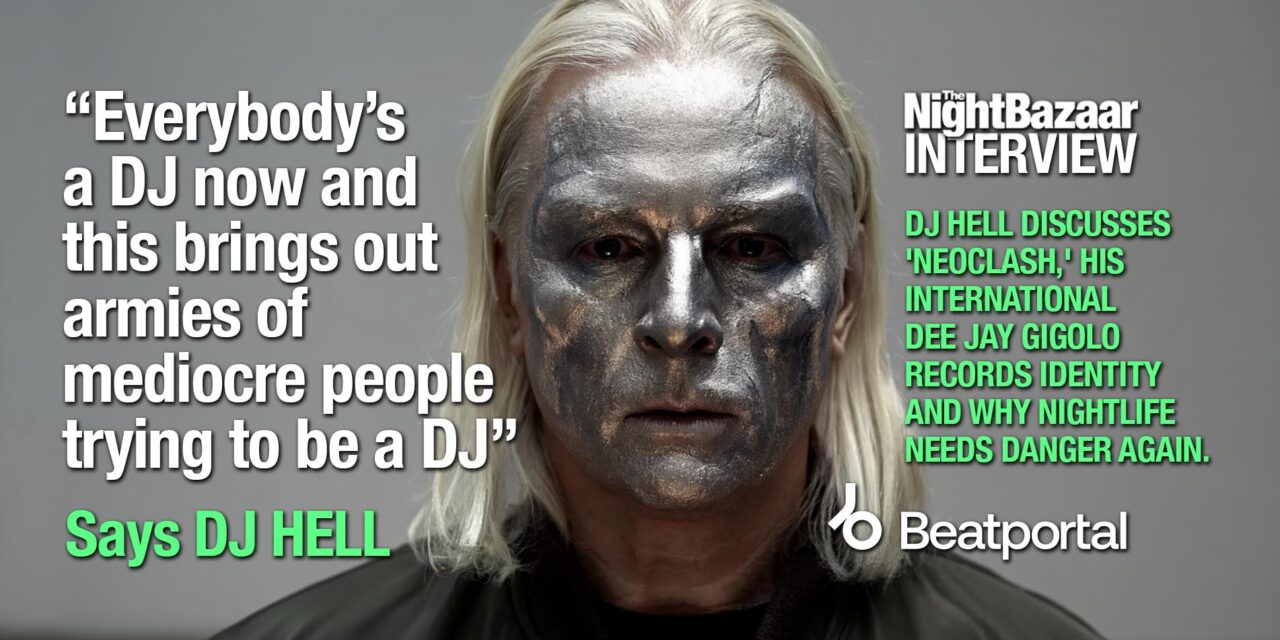
In 2025, DJ Hell returns to a landscape he helped define and now intends to disrupt.
With Neoclash, the International Deejay Gigolo founder doesn’t merely revisit Electroclash, he reactivates it. Hell insists the album isn’t an exercise in nostalgia but a manifesto for the aesthetic relevance of club music at a time when algorithms and optimisation threaten to smooth nightlife into content.
If Electroclash once fused queer futurism, fashion theory, punk attitude and machine-pop spectacle, Neoclash positions those impulses as unfinished business. Hell speaks about club culture like a laboratory where bodies, technology and desire collide and about music as a medium for image, gesture and provocation as much as sound.
We sat down with the Munich legend to talk about the “aesthetic crisis” of contemporary clubbing, the role of queerness in electronic music, the decline of the DJ as curator, and why reloading Electroclash in 2025 means “using the past as a weapon, not a refuge.”
NEOCLASH is described as a manifesto for the aesthetic relevance of electronic club music. What “aesthetic crisis” do you think club music is facing today and what makes this album a response to it?
The crisis lies in the disconnection of body, space and risk. Clubs have become content factories, tracks function as interchangeable units. Where there was once dirt, defiance and sexual or political tension, there is now smooth optimization and try hards who dont know about dj art and dj culture. The album brings back the golden years and looks into the future of club music at the same time.
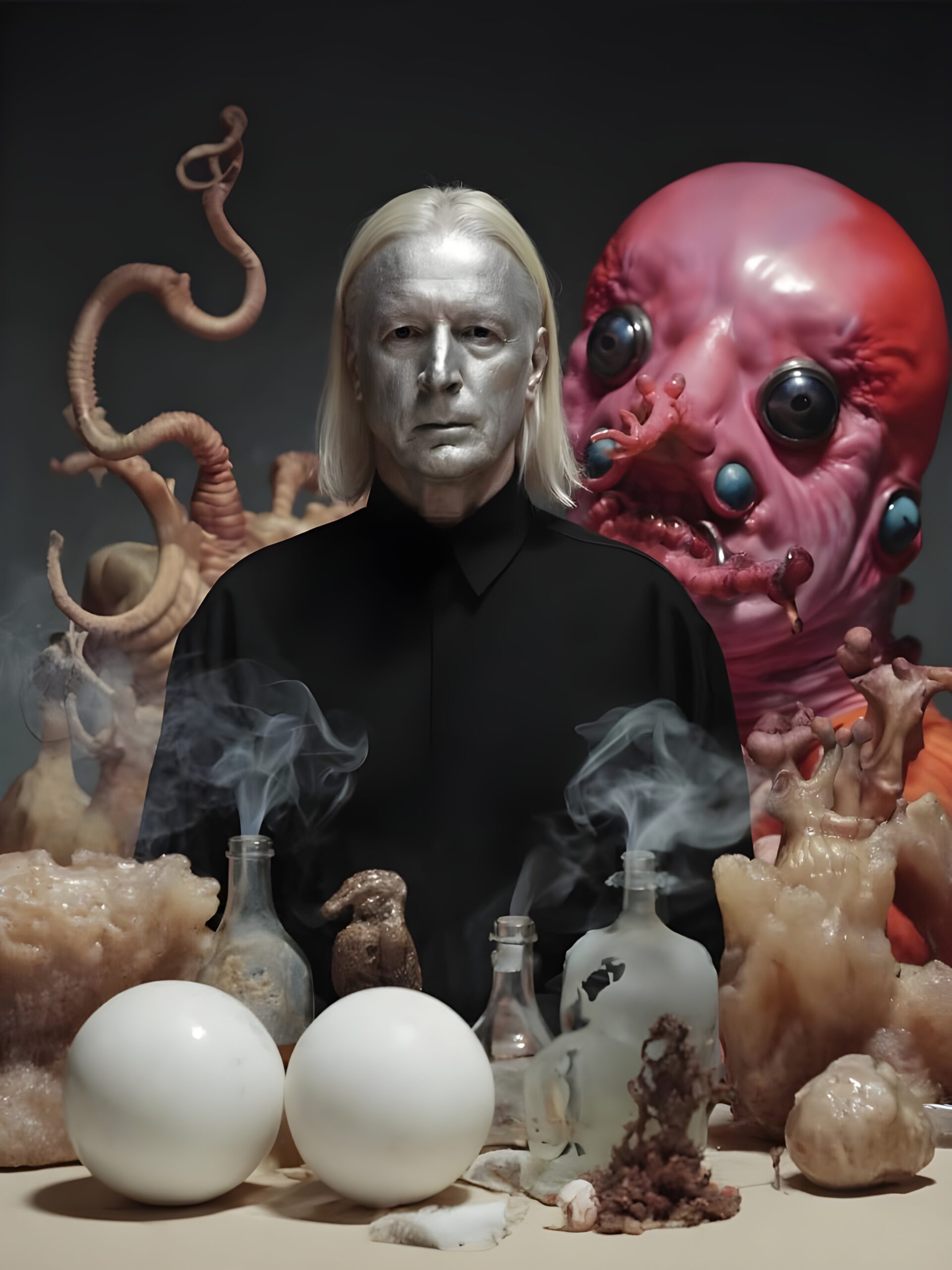
DJ Hell
You revisit Electroclash but insist this isn’t nostalgia. Which specific sonic codes of the early 2000s did you reconstruct and how did you ensure they sound visionary in 2025?
Electoclash was never a style frozen in time – it was an attitude, a collision of machines, pop arrogance, sexy, irony, art & fashion theory. NEOCLASH doesn’t look backward it reactivates that tension under current conditions – we call it zeitgeist. NEOCLASH confronts, revisiting electroclash now means reintroducing friction, personalty, queer culture and danger into flattened musical landscape. It’s using the past as a weapon, not a refuge. My visionary sound in 2025 isn’t about predicting the future, it’s about normalisation. I invented Electroclash in 2000 so in 2025 I will re touch it and call it NEOCLASH.
When you think about NEOCLASH as a bridge between past and present, which era of music do you feel more connected to right now??
That late 70s post punk, early 80s synth culture and the millennium Electroclash moment were being re-negotiated. NEOCLASH stands in that same in between space, it uses the past not only as reference point, but as unfinished business. The connection is structural – music wasn’t just sound, but gesture, image and provocation – pop art.
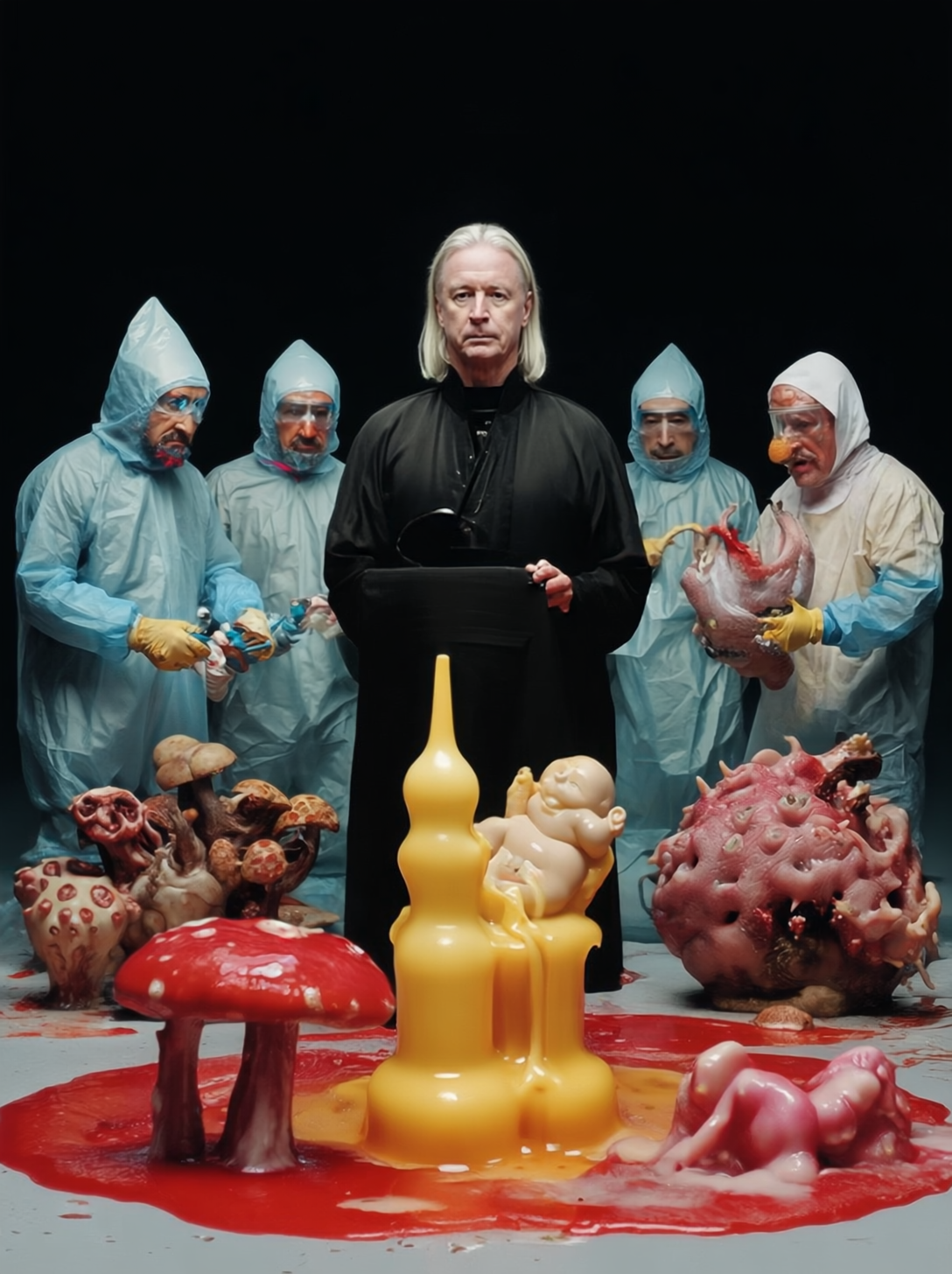
DJ Hell
The press release frames the album as an exploration of “tensions between technology, the body and perception.” How do those tensions manifest on the dancefloor today?
Yet friction still exists in moments of imperfect sound, sudden distortion, or human error. The body asserts itself, dance becomes negotiation, translating the digital into flesh. The most alive moments happen where the mechanical and organic collide, reminding us that club music isn’t just heard – it’s inhabited. The dance floors express what’s going on in youth culture and what’s new coming up in society – it was always a reflection on what’s new, what’s next, and what’s coming up.
When International Deejay Gigolo Records began, you effectively coined and conceptualized what would become electroclash. What did you understand about club culture at that time that others didn’t see yet?
I saw clubs and Gigolo Records as a laboratory of desire, identity and transgression. I understood that club culture was a ritual of the night. The way sound, space, light, human bodies could be orchestrated to alter perception, create temporary communities, and challenge norms. Gigolo was freedom in any sense and its own universe. I realised that the club wasn’t just a location – it was a time machine and microscope at once. It could make you forget the outside world for many hours, and emerge in the dark.
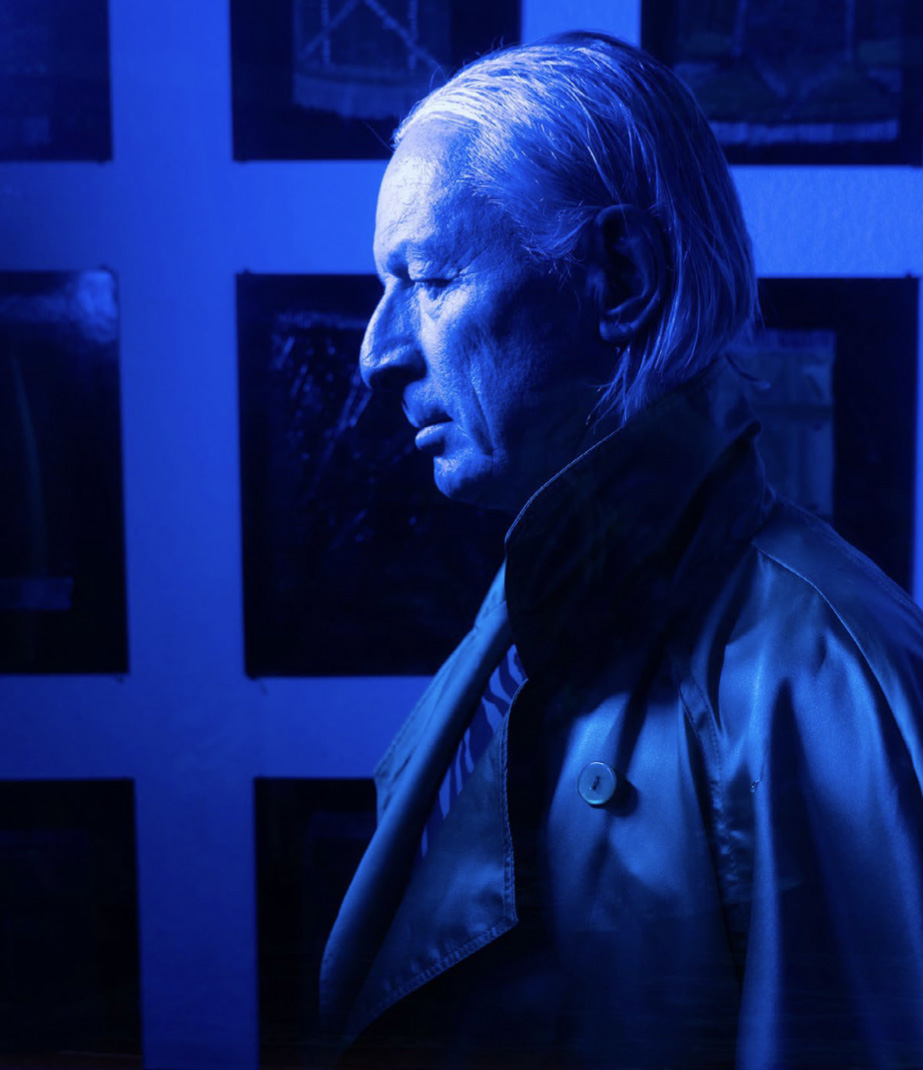
DJ Hell
In 2025, with digital technology making the process of mixing records accessible to all, do you feel the role of the DJ has returned to being a curator first and foremost, or has it become something else entirely?
The world of DJs I am into is definitely dying out – the art of playing music and being a curator is not as important as it originally was in the past. Everybody is a DJ now and this brings out army’s of mediocre/average people trying to be a DJ, without the required skills.
The press release refers to the queer, decadent, and avant-garde scene you embody. How does queerness inform your sound, not just your aesthetics?
My sound isn’t just coloured by queerness. It’s an embrace of difference, friction, and multiplicity, going to the listeners agency to navigate the musical narrative. Queerness in music is about destabilizing norms.
Provocation has always been part of your artistic language. Is provocation harder in an era where everything seems instantly absorbed or commodified by the mainstream?
Provocation was never into my agenda. To go where no man has gone before was the formula for all moves
Do you think club culture today still has the power to challenge norms around gender and sexuality the way it did in the ’80s, ’90s and early 2000s?
Of course, but in many different ways to those years.
You’ve collaborated with a host of visionaries. What does a visual collaborator need to understand about DJ Hell to work with you successfully?
Conceptual depth: it’s not about looking cool or trendy, the collaborator should understand history and pop culture and subversion, and know about how to encode subtle references into moving images. 50 years into nightlife /fashion and art bring me now into a position where I am exactly knowing what I want and what’s missing. Most of the artworks and videos, even marketing and promotion for new releases just jumps out of my brain.
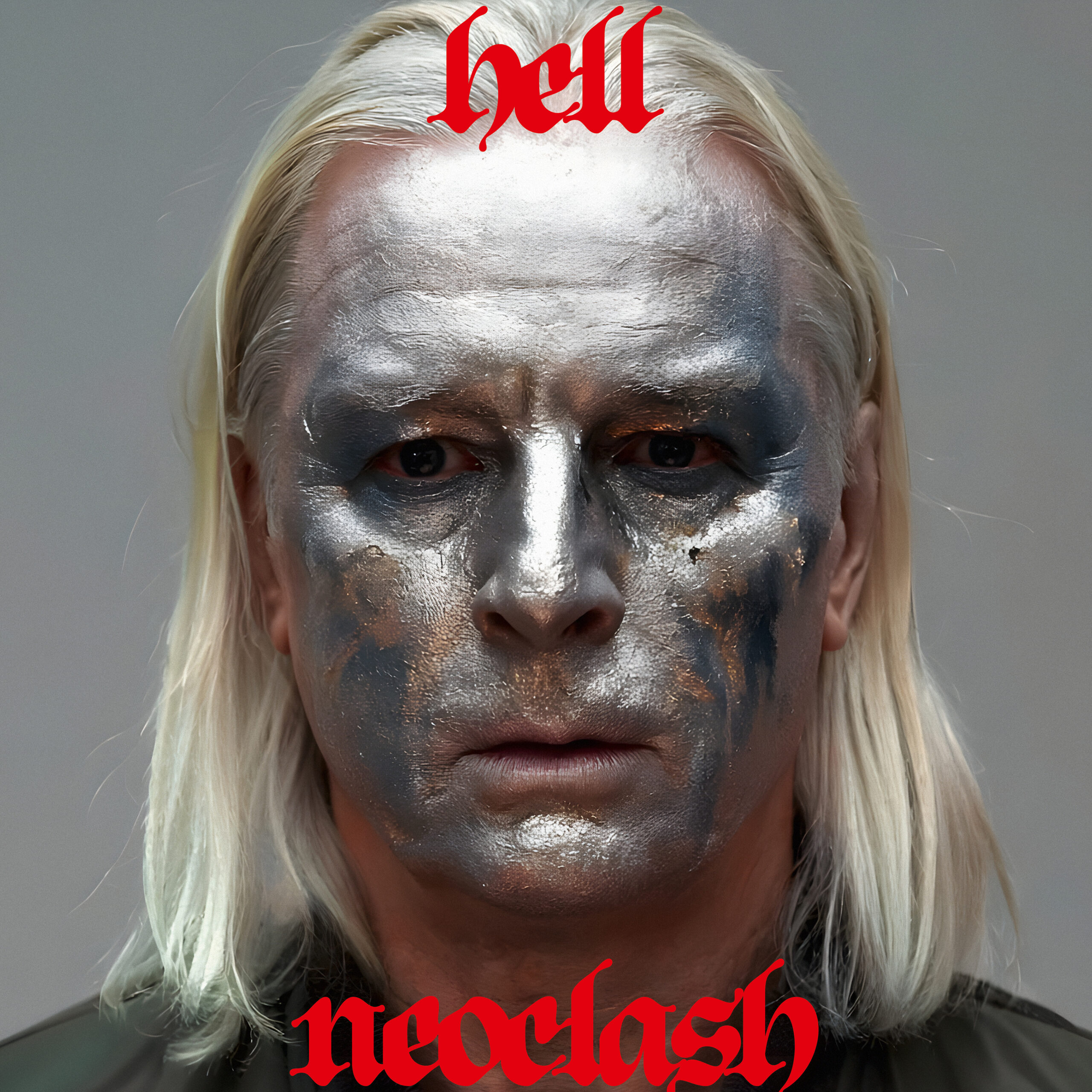
DJ Hell – NEOCLASH
How do you approach the art for your album covers? Do you start with a story or a feeling or with an image you want to haunt the music?
It’s always happening during the process of making the music already. I have a strong vision and a nearly perfect idea about the cover already. The artwork of an album is essential to me. I love working with other artists like graphic designers or photographers or video directors and fashion designers.
Many artists reference the past but few reinterpret it. What responsibility do established pioneers like you have in preventing electronic music from becoming stale and for the music to continue to be future facing?
I need to surprise myself and go where it feels uncomfortable and from there I can really get deep and experiment with everything. This place is where you create something unheard or future facing.
Gigolo Records helped define an era. What would a “Gigolo 2025” manifesto look like?
The megachurch of Gigolo will bless all members and I promise a new era into sound & vision. Gigolo is again a laboratory, not a factory. Everybody will be famous for 1.5 seconds.
Do you feel label culture still matters in a time of algorithms, self-releases and social media-driven trends?
100%, more than ever in my opinion. In 2025 a label like Gigolo Records asserts identity and makes you feel strong.
How has your relationship with clubs changed over four decades?
The hunger is still there – Munich machine is still working music.
What keeps you hungry and restless after playing a role defining so many eras already?
I take it as a compliment, thank you for the kind words – and now after all these years I am responsible for many things and carry it on my shoulders every day.
Browse our archive of interviews HERE and visit our Beatportal page HERE.