




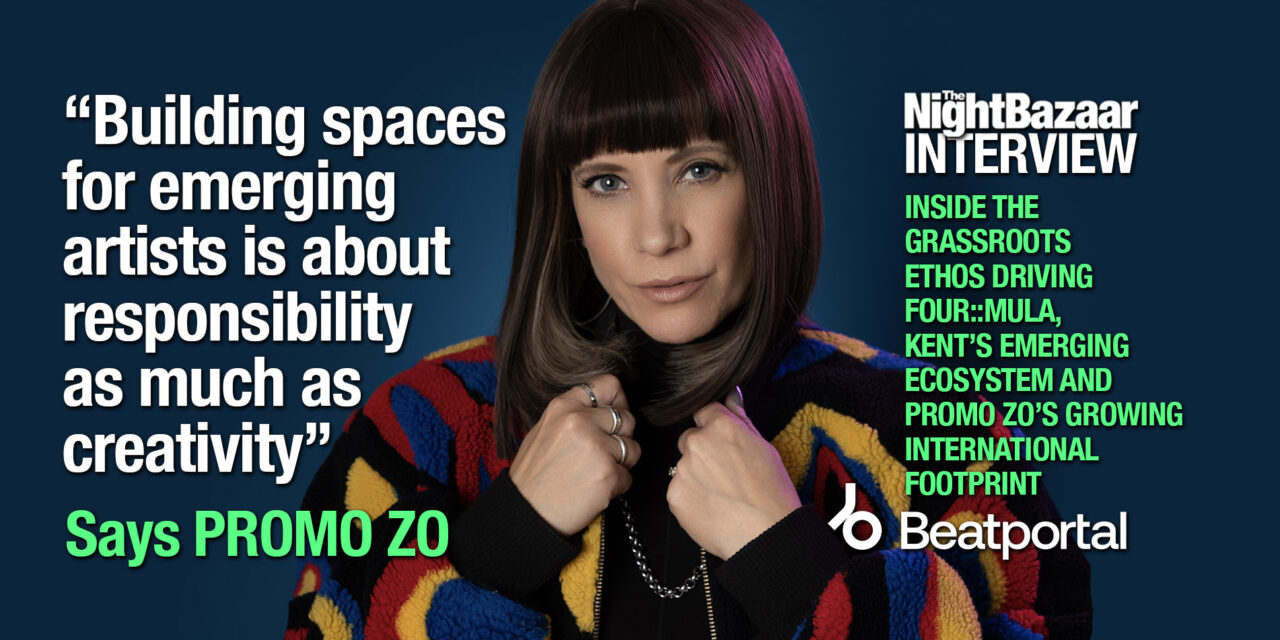
As a broadcaster, DJ and community-builder, her work connects multiple parts of the culture that don’t always get acknowledged in the same breath: radio, grassroots infrastructure, regional spaces, emerging artists, helping push D&B beyond its underground origins.
Whether through shows on Bassdrive and Rinse FM, guest appearances for Uncle Dugs, her expanding club and festival calendar or her own production catalogue, ZO’s approach is defined by care and intent rather than hype. Her event series FOUR::MULA embodies that philosophy most clearly, championing community-led spaces across London and Kent at a time when venue closures and rising costs have reshaped how subcultures survive.
As D&B enters what feels like a renewed phase of maturity, one where history, context and depth matter again, ZO’s perspective offers a grounded counterpoint to the increasingly festival-led landscape.
We sat down with Promo ZO to talk about FOUR::MULA, Kent’s role in the wider ecosystem, radio’s continued cultural importance, the relationship between heritage and the new wave, and where she sees Drum & Bass heading in 2026.
What was the original vision behind FOUR::MULA and how does it differ from other grassroots nights in London and Kent?
FOUR::MULA was born out of a shared love for Drum and Bass in its most honest form. The original vision was about keeping things real and celebrating the roots of the culture. Intimate venues, quality sound and pure vibes. The kind of parties that people felt were slowly disappearing. We wanted to give ravers what they had been craving again. Proper underground nights that celebrate Drum and Bass across all generations, bringing legends and rising artists together in spaces where the music can really breathe. It was never about scale or hype, it was about atmosphere, connection and respect for the culture.

FOUR::MULA – Promo ZO
What sets FOUR::MULA apart is how rooted it is in community?
With the decline of nightclub venues across the country, we felt a real responsibility to support grassroots spaces and the people who keep the scene alive. Events like our Boxpark Shoreditch party were a real turning point for us. It showed that the FOUR::MULA ethos could translate into a larger, high profile space without losing its underground integrity.
Alongside parties in Brixton, sessions at Planet Wax in New Cross, our Dalston Roof Park collaboration with Intabeats and our ongoing work at SOCIAL in Maidstone, the focus has always been on creating meaningful moments rather than just events.
What’s the biggest, unexpected win that’s happened during the evolution of FOUR::MULA so far?
The biggest unexpected win has been how deeply people have connected with it. Ravers really understood what we were trying to build and backed it in a genuine way. People travelled, came back, brought friends and supported consistently without needing constant promotion.
Another big moment for us has been seeing established artists really understand and support the movement. Having people like Bailey, Jumpin Jack Frost and IC3 recognise what FOUR::MULA is about and want to be involved has meant a lot. That kind of respect from artists who helped build the culture in the first place is incredibly affirming. It showed us that the ethos resonates across generations, and that building something rooted in authenticity and respect for the music still cuts through.
For people who haven’t been, how would you describe SOCIAL in Maidstone and your SOCIAL Sunday day time events?
SOCIAL in Maidstone feels welcoming and unpretentious. It is built around good sound, good energy and people who are genuinely there for the music. It does not feel intimidating, which makes it easy for people to connect and enjoy themselves properly rather than feeling like they need to perform. The SOCIAL Sunday daytime events are a big part of that identity. Each one has its own focus but they all centre around community and accessibility. Strictly Social is about Old Skool Jungle and Drum and Bass, celebrating the roots and early energy of the culture. Liquid Sundays focuses on liquid Drum and Bass, creating a more soulful, relaxed atmosphere where people can really lock into the music.
We also run Open Decks sessions, which are multi genre and open to DJs of all levels. That is about removing barriers and giving people a chance to play out in a supportive environment, whether it is their first time or they are building confidence. Altogether, the Sundays feel less like traditional events and more like shared spaces where music, people and culture come together.
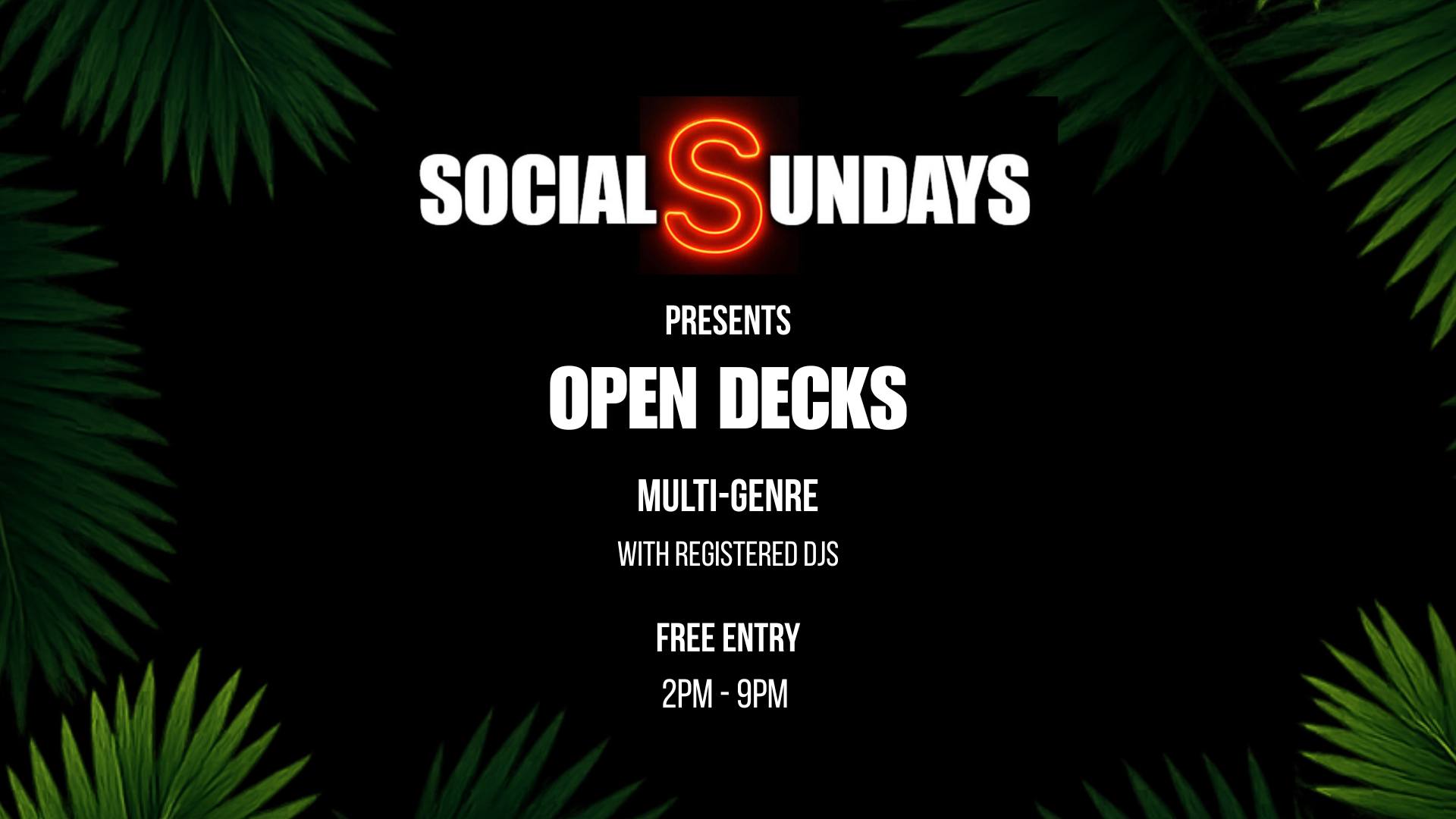
Social Sundays – Open Decks returns on Sunday 8th February – Click on image for more details
Why is it important for you to build spaces for emerging artists rather than just focus on your own touring and releases?
Because none of us get here on our own. I would not be doing what I do now if people had not taken chances on me earlier in my career. Building spaces for emerging artists is about responsibility as much as creativity. We have lost a lot of the spaces that used to nurture artists and scenes, especially record shops and pirate radio. Those were places where people learned, shared music, got honest feedback and built real connections. With fewer of those around, it feels even more important to create environments where that exchange can still happen. It keeps the culture healthy and moving forward. It also keeps me learning and connected to what is coming next rather than becoming comfortable or closed off.
What role do you feel Kent plays in the wider D&B ecosystem right now?
Kent has always had strong DJs and passionate crowds, and it has a long standing relationship with Drum and Bass that often gets overlooked. A lot of talent has come through the county and the audiences have always been knowledgeable and committed to the music. Rather than trying to mirror London, Kent works best when it leans into its own spaces, communities and way of doing things. Those regional ecosystems are vital to the health of the wider culture. They create room for scenes to grow organically and for artists and audiences to connect outside of the main city circuit. Kent plays an important part in that broader picture.
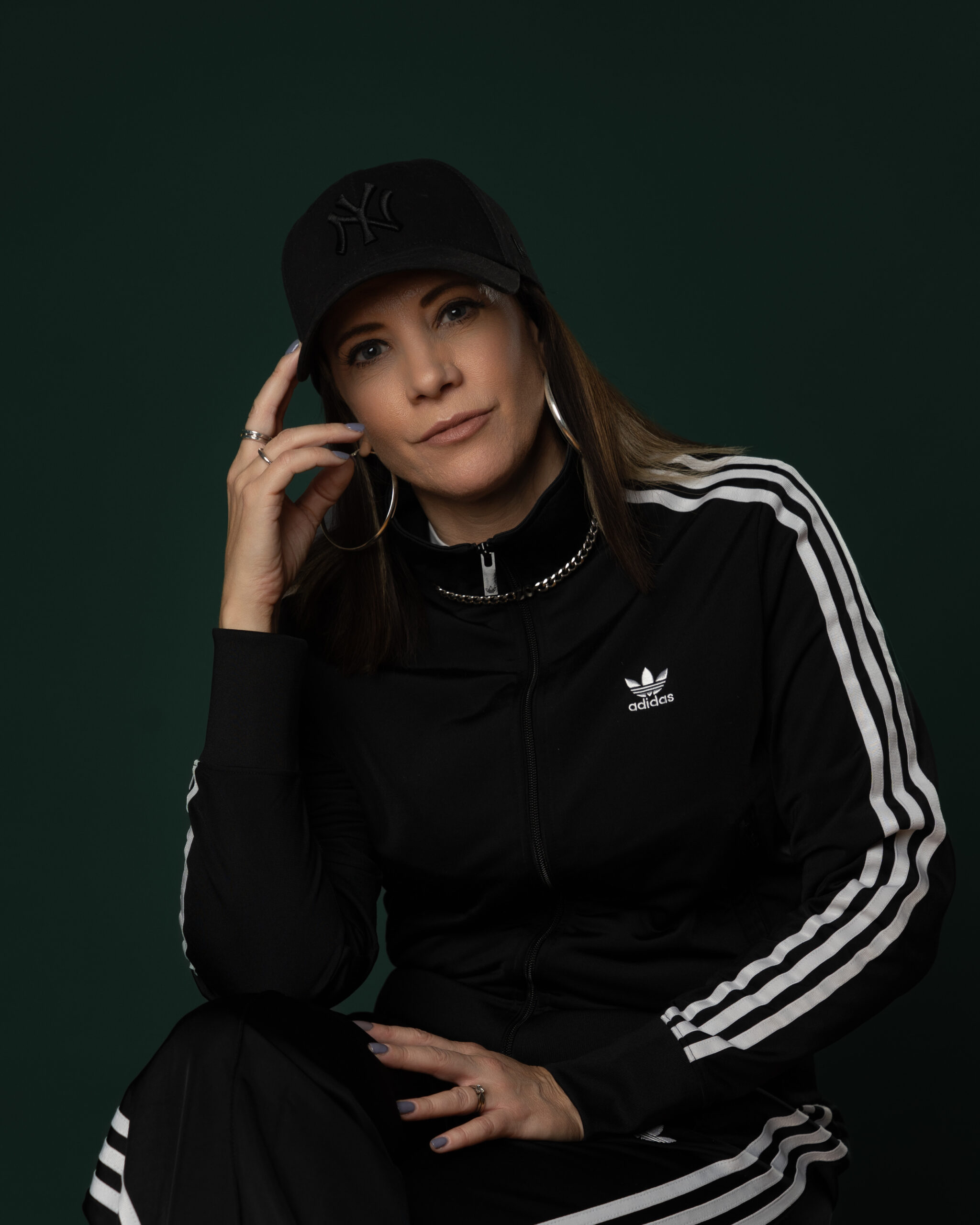
Promo ZO
With dates in Bognor, Fabric, Amsterdam, Bristol, Hackney, Croatia, etc., Is there a particular date on the 2026 calendar that feels like a milestone?
Bristol really stands out, especially Valve at The Prospect Building for D&B Classics. That combination carries huge cultural weight. It is my first time playing in Bristol and doing it in that context feels significant. Most of my club and festival history has been rooted in London, Norwich and the South East of the country, with occasional shows further afield like Amsterdam, Croatia and Malta. Bristol feels different because of its deep relationship with sound system culture and Drum and Bass history. Playing the D&B Classics arena on Valve feels like a moment of progression and recognition rather than just another booking. It marks a widening of where I am playing regularly, beyond my usual geographical base, and that makes it feel like a genuine milestone going into 2026.
How does playing Fabric differ from Amsterdam and how does Amsterdam differ from the festival coastline crowds in Croatia?
Fabric is very focused. People are really listening and they know the room well, so every decision feels amplified. It pushes you to be precise and intentional with your selections and pacing. Amsterdam feels more expressive. There is a real openness and curiosity in the crowd, which gives you permission to take risks and explore different shades of the music. Croatia is completely different again. The setting, the scale and the atmosphere make it a much more emotional and physical experience. The music becomes part of the environment rather than the sole focus.

Promo ZO
You move between legacy venues and grassroots rooms, how do they challenge you differently as a DJ?
Legacy venues challenge consistency and discipline. There is an expectation attached to those spaces and a sense of lineage you are stepping into. You have to deliver while still staying true to yourself. Grassroots rooms challenge connection. You cannot rely on reputation, you have to read the room properly and adapt in real time. Those spaces keep you grounded and honest.
You’re playing several “classics” themed events this year, how do you view the relationship between D&B heritage and the new wave?
Heritage gives Drum and Bass its weight. Understanding where the music came from gives context to where it is going. Classics are not about nostalgia for me, they are about grounding the present. The new wave works best when it understands that lineage and then builds forward in its own way rather than ignoring what came before.
How did the leaps from Ministry of Sound Radio to Bassdrive and Rinse FM shape your ear as a tastemaker?
Each platform shaped me differently. Ministry of Sound Radio gave me a broad foundation and an understanding of how Drum and Bass sits within the wider electronic landscape. Bassdrive and Rinse sharpened everything. Bassdrive forces you to think globally, about flow and longevity rather than quick reactions. Rinse comes with cultural weight, which brings a real sense of responsibility. Together they taught me to trust my instincts while being intentional about what I champion.
Standing in for Uncle Dugs is no small cultural moment, what was that experience like for you personally?
It was a huge honour and genuinely quite emotional. Uncle Dugs represents continuity, education and deep respect for the roots of the culture. Stepping in made me very aware that you are not just filling a slot, you are holding space for something much bigger than yourself. It was also incredibly humbling that Uncle Dugs trusted me with the biggest and most established show on the station, and on more than one occasion. That level of trust reinforced the importance of humility and responsibility in moments like that. Opportunities of that significance should never be taken for granted.
Why do you think radio and broadcasting still matter in an algorithm-led music landscape?
Algorithms are great at reinforcing familiarity, but they lack context and care. Radio is human led. It allows for storytelling, education and risk. A broadcaster can introduce music with intention and place it within a wider history, which is especially important in a culture like Drum and Bass.
When do you know an artist or tune is ready to champion?
You can hear intent. Even if something is not perfectly polished, you can tell when someone knows what they are trying to say musically. That honesty usually comes through straight away. Do radio and club sets influence how you produce your own tracks or do you keep the studio separate from the booth? They influence how I think about energy and emotion, but I try not to chase reactions in the studio. Playing clubs and radio shows teaches you what moves people in real time. The studio is where I slow things down and focus on feeling rather than function.
What’s one misconception people outside D&B still have about the culture?
That it is aggressive or one dimensional. A lot of people also see Drum and Bass as big room, shiny, large capacity sound system music, which it is now in many spaces, but that is not where it started. At its core, the culture came from small rooms, pirate radio, record shops and tight authentic communities. It has always been emotional, detailed and community driven, and there is far more to Drum and Bass than what is presented through mainstream radio or reflected in download charts.
What excites you about where Drum & Bass is heading in 2026?
There feels like a renewed appetite for depth. People are paying attention again, valuing history, quality and intention alongside innovation. In that sense, the culture feels like it is maturing again. One thing you quickly learn in this music is that you have to genuinely love it at its core. If you have been around long enough to see jungle evolve into what Drum & Bass is today, it becomes very easy to spot clout chasing and surface level ambition. Artists and audiences alike are becoming more discerning, and that awareness feels healthy. It feels like Drum & Bass is finding its balance again. The energy is still there, but it is paired with honesty, substance and perspective, which makes this a really exciting moment for the culture.
Promo ZO – Pie & Mash VIP and Sinking Ship will be released this Spring on ZO Audio and Mustard Music.
Browse our archive of interviews HERE and visit our Beatportal page HERE.