


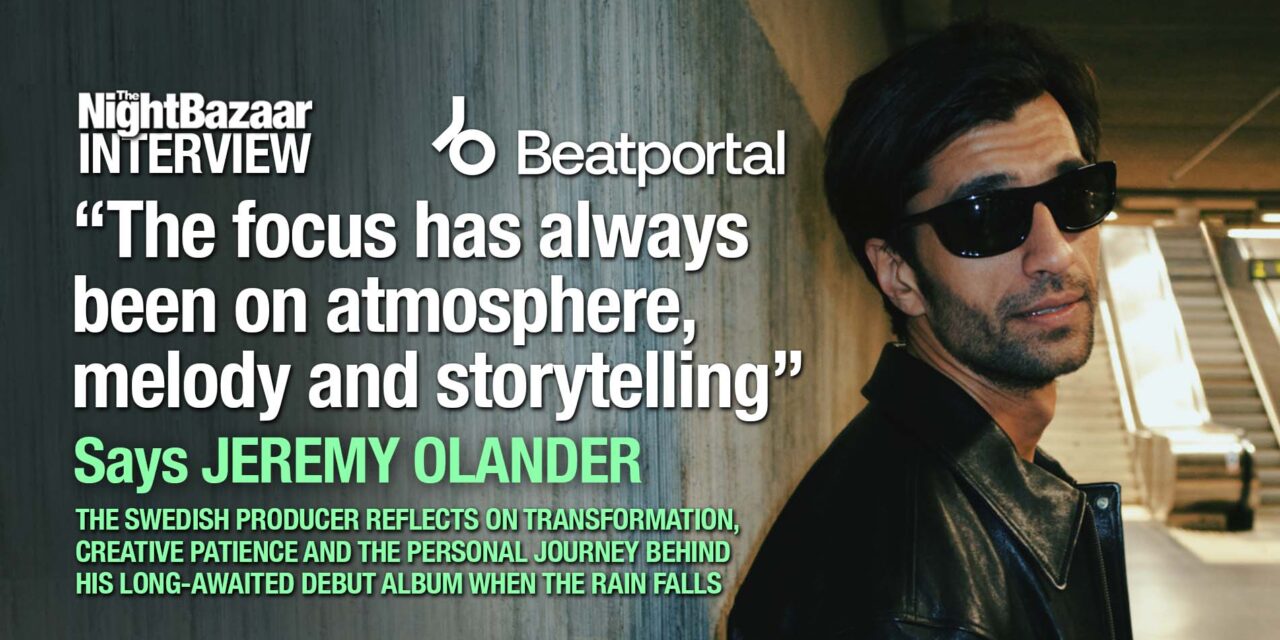
Fifteen years after his first release on Pryda Friends, Swedish DJ, producer and Vivrant label head Jeremy Olander is entering a new phase of his career.
His long-awaited debut album When The Rain Falls marks a significant milestone for an artist whose steady rise through progressive and melodic electronic music has been defined by patience, attention to detail and a refusal to follow trends.
Written during a period of major personal change, including becoming a father, the album captures Olander reflecting on the past while reshaping his creative outlook for the future. Moving beyond the immediacy of club singles and EPs, When The Rain Falls presents a more expansive listening experience, blending cinematic atmosphere, melodic depth and dancefloor energy.
In this conversation, Olander reflects on his early connection with Eric Prydz, the challenges of establishing himself in a crowded electronic scene and the creative process behind crafting his first full-length album.
You released your early music through Pryda Friends. How did your relationship with Eric Prydz first develop, and what did you learn from being so closely connected to his musical world early on?
I had friends that knew him and people around him that sent some of my early music to him. I think at that time he was playing around with the idea of building on Pryda Friends and releasing more music from others on there, so luck and timing played a part too.
What I learned most from being around him was patience and attention to detail. Every sound has a reason to exist. That mindset stayed with me. It also showed me that longevity in this scene doesn’t come from rushing things.
What were the biggest challenges in getting your music heard and taken seriously in the scene?
There was and still is just so much music coming out and it’s hard to get anyone’s attention long enough for them to really listen. Probably even more so now than when I started out.
Another challenge is credibility. When you’re young people often assume you’re just another bedroom producer chasing trends. So you have to prove that you’re serious about doing your own thing and try to give people a reason to stop and check you out.
One of your breakthrough tracks, Let Me Feel, reached the Beatport Top 10 and helped introduce you to a wider audience. At the time, did that success feel like a turning point, or were you still figuring things out as an artist?
I was still figuring things out. At the time you celebrate those milestones but you don’t necessarily understand what they mean yet.
Looking back it definitely helped open doors, more DJs playing the music, bigger rooms, more international shows. But creatively I was still very much in the process of discovering what my sound actually was.
Those early successes are exciting, but they’re also a bit dangerous because you can easily start chasing that reaction instead of focusing on the long game.
It wasn’t really intentional at all when I made it. It really was a very different kind of track compared to what I generally made then and still do today. I just hear vocals sometimes randomly in passing that spark an idea for those kinds of bigger, more peak time style tracks. I’m very proud of it though.
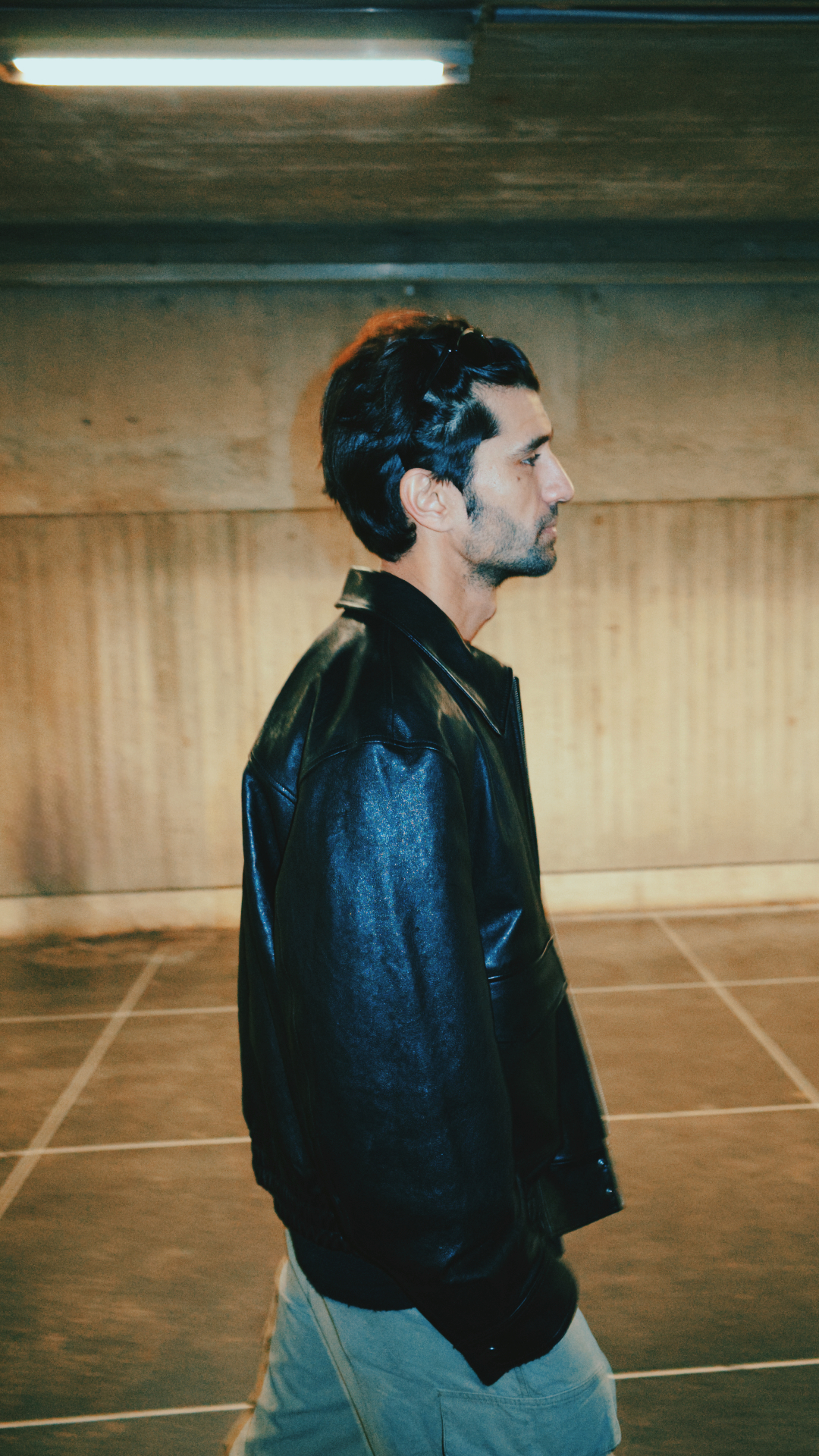
Jeremy Olander
Early in your career you were suddenly playing larger shows and international gigs. Was there a particular early performance where you realised this could become a full-time career?
Playing Madison Square Garden with Eric was definitely one of those moments where it hits you. You go from making music in your bedroom to suddenly standing in front of thousands of people in one of the most iconic venues in the world.
But strangely enough, the moment it felt like a real career wasn’t one of the biggest shows. It was when the touring started to become consistent, when you realise you’re getting on planes every weekend and people are actually showing up to hear your music.
That’s when it shifts from a dream into a reality.
You’ve been releasing music for over a decade, yet When The Rain Falls is your first full-length album. What did the album format allow you to express that singles and EPs never quite could? Why is the time right for you to finally release your debut long player?
Singles and EPs are great for club culture because they’re very immediate. You write something, test it, release it and move on. An album forces you to slow down. You start thinking about pacing, contrast, how one piece of music leads into another. It becomes less about individual tracks and more about creating a full world for the listener to step into. This formula fits my style of music.
For me the timing simply came down to feeling like I wanted to challenge myself and wanted to scratch that itch. I didn’t want to make an album just to tick that box in my career. I have enough unreleased music I could’ve made four or five albums out of, but I wanted to start fresh. I wanted to give people that like my music something new and refreshing that would challenge them and their idea of me.
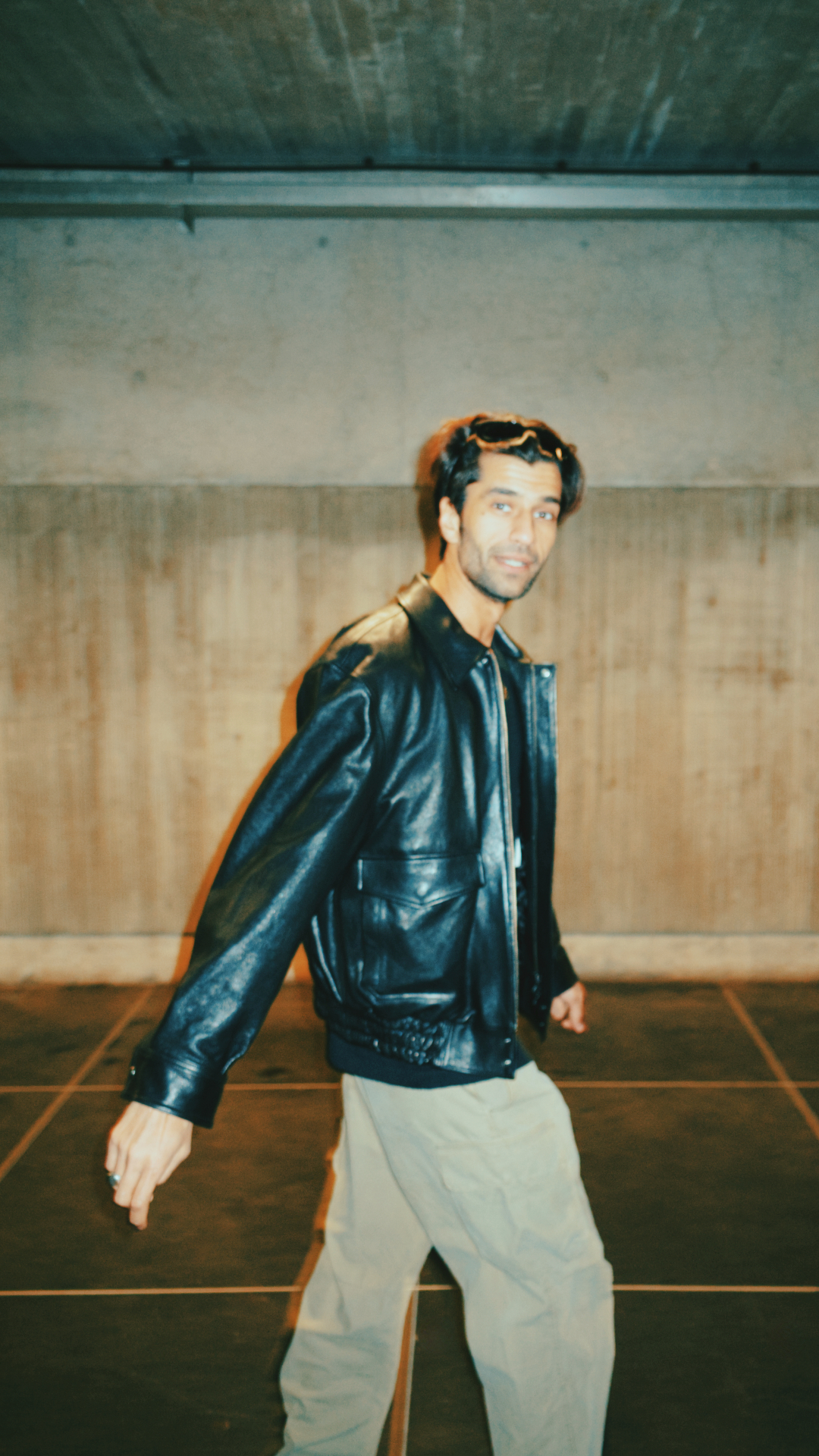
Jeremy Olander
Was there a particular moment where the material you were writing clearly started to feel like an album rather than a series of tracks or did you start the album as a stand-alone project with the album already in mind?
It was a very intentional process. I started a pretty long time ago to work on a lot of different sketches. Just getting ideas, emotions and vibes down. I think I had upwards of thirty five ideas at some point. Then I wanted to condense it down to ten or twelve that I finished and after that I pretty much took the better part of four months completely off touring to finish everything.
After a while I realised a lot of the music I was writing shared the same emotional palette. There was a certain mood running through everything, a mix of introspection, melancholy and optimism. When I listened back to several of those sketches together it suddenly felt like they belonged in the same universe.
Many artists use albums as a form of self-documentation. In what ways does this record capture where you are in your life right now? Do you see the album as a response to a particular period in your career or personal life?
For sure. This album reflects a period of reassessing things in my life, how I work, how I live and what matters.
Over the years touring and the music industry can pull you in many directions, and at some point you have to step back and decide what you want your relationship with all of it to be.
The album carries that process inside it. There are moments that feel introspective and almost fragile, but there’s also a sense of forward motion.
How intentional were you about building a narrative arc across the record? When sequencing the album, did you approach it almost like storytelling?
Very. Once I realised it was an album, sequencing became almost as important as the music itself. I spent a lot of time thinking about how the listener enters the world of the record and how they leave it. It’s not a literal story, but emotionally there’s definitely an arc, moments of tension, moments of release, and a maybe sense of resolution toward the end.
Were there tracks that helped define the album while you were working on the project?
Yes, a few of them acted like anchors. Once those tracks existed they set the emotional boundaries for the rest of the album. Whenever I wrote something new I would ask myself whether it belonged in that world or not. Those anchor tracks helped keep the project focused.
Your sound has always balanced melodic progressive house with darker, more techno elements. How does When The Rain Falls expand or challenge you sonically?
I allowed myself to move a little further away from typical DJ structures. Some tracks are still very much designed for the dancefloor, but others are more cinematic or textural. I explored different tempos, more melodic writing and arrangements that don’t necessarily revolve around a drop. It’s still recognisably my sound, but I think the palette is broader.
Did making an album push you into areas of production or arrangement that you hadn’t explored before?
Definitely. When you’re writing club music you naturally leave space for mixing, long intros, extended drum sections. For the album I removed a lot of that thinking. Tracks could start exactly where the emotion begins. That allowed me to focus more on melody, harmony and atmosphere rather than just functionality.
“Apollo,” your collaboration with Moontalk, introduces the album. What made that track the right entry point into the project?
It felt like the clearest doorway into the world of the album and the most obvious single. It has warmth, euphoria, momentum but also hints at the more reflective side of the record. It sets the tone without explaining everything.
Sometimes the opening track doesn’t need to answer every question, it just needs to invite you inside. It also symbolises some of the change and development for me, as it’s a collaboration. That’s something I’ve done very little of in my career and I wanted to include as a part of this project.
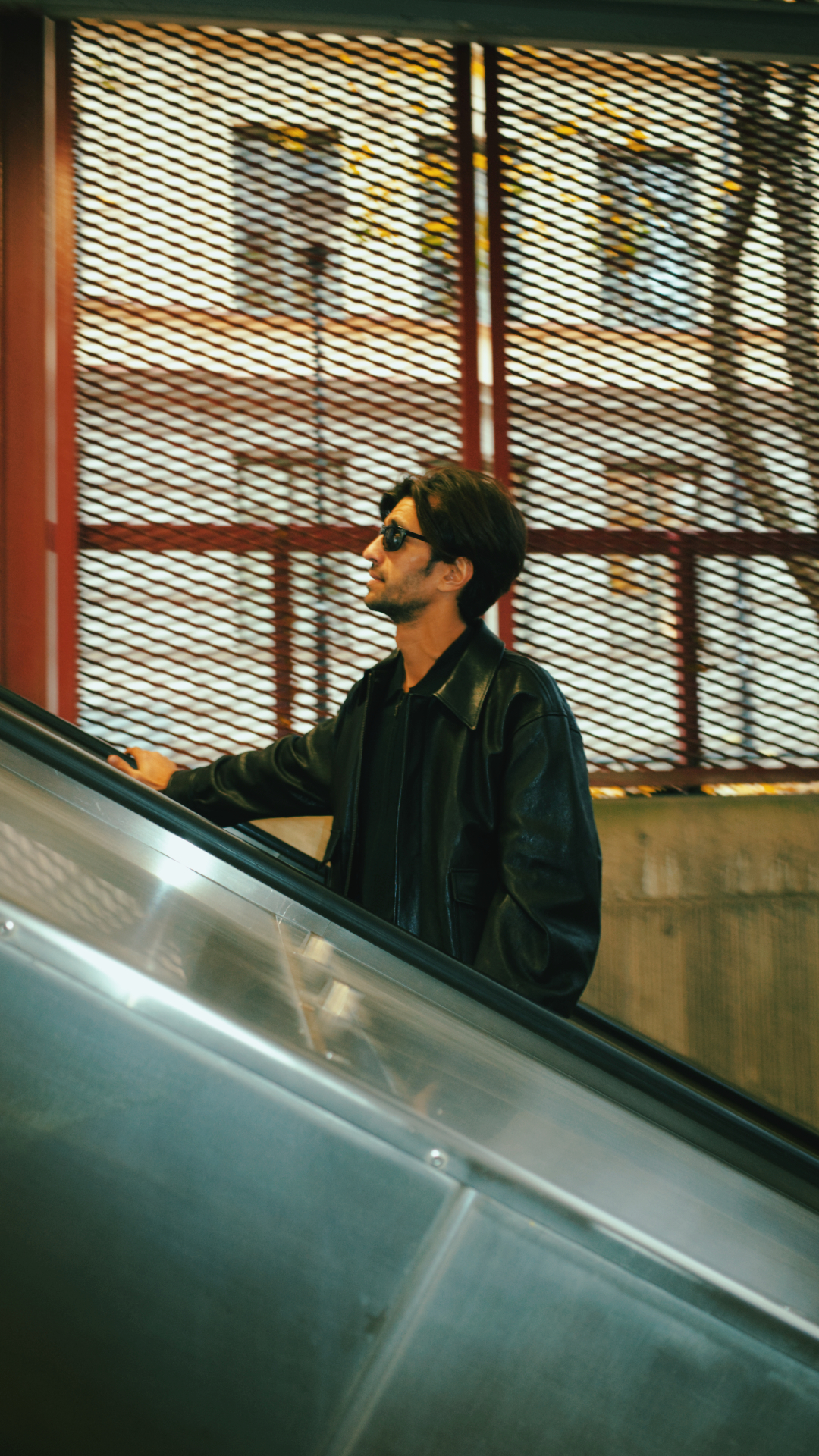
Jeremy Olander
Did you approach this record as something meant primarily for dancefloors or as a listening experience independent of the club context?
Initially this was just supposed to be a single, but as the rest of the album started to take shape it became clear it was the perfect track to roll it out with. It’s a clear cut club banger but works very nicely in the context of the album.
Releasing the album via your own label Vivrant gives you full creative autonomy. How important was that independence in shaping it?
It was very important. With your own label there’s no external pressure to shape the music in a particular way and cave into demands from labels wanting vocals on every other track. I don’t mind vocals, but this was never going to become an album with five or six radio singles. I know early on this was going to be a personal project, so I can’t have random people telling me to change this or add that.
After years of building a reputation through EPs, remixes and DJ sets, what role do you see When The Rain Falls playing in the broader story of your career?
I see it as a checkpoint more than a destination. For a long time my output has been tied closely to DJ culture, tracks built for sets, EPs, remixes. This album is the first time I’ve stepped back and presented a fuller picture of where I am creatively. So in that sense it’s both a reflection and a reset. I don’t want to be creatively forced or tied down to anything.
Do you see this album as a defining moment or more as the start of a new creative phase?
More the start of a new phase. Once you’ve allowed yourself to think in album terms it changes how you approach music going forward. It opens new possibilities creatively.
Progressive and melodic house have gone through several waves of popularity over the last decade. Where do you see your music fitting within that evolving landscape?
I’ve never been too interested in chasing the waves of a genre. All these labels have been placed on me by others rather than myself.
Melodic and progressive music has always gone through cycles, but the emotional core of it never really disappears. For me the focus has always been on atmosphere, melody and storytelling in the music.
As long as those elements resonate with people, the music will always find its place.
Jeremy Olander – When The Rain Falls is out now. Get it on Beatport HERE.
Browse our archive of interviews HERE and visit our Beatportal page HERE.