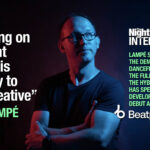





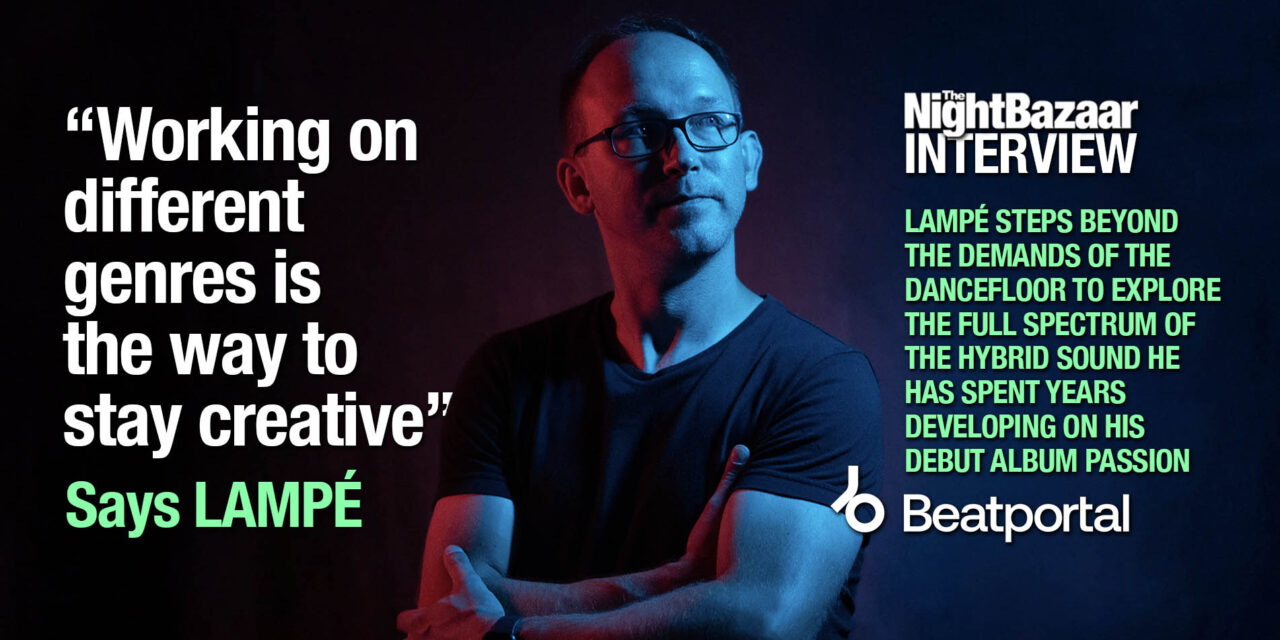
For Lampé, however, PASSION is about more than showcasing the breadth of his sound. It reflects a wider philosophy of resisting trends, rejecting rigid genre boundaries and allowing creativity to develop without the pressures of competition or constant output. We caught up with Lampé to discuss why the album format matters in an age of shrinking attention spans, how his dancefloors feed directly back into the studio, the origins of Alula Tunes and why, above everything else, music should remain a passion.
You’ve released hundreds of tracks over the course of your career, yet PASSION is your debut album. Why did this feel like the right moment to finally make a long player?
The world is spinning faster and there are thousands of single tracks released every week, but many people don´t take the time to listen constant to something anymore. When I was younger and the CD was fresh, I was listening and following the story of an album for several weeks while finding more and more specials in it. This was the idea behind the long player: calm down and follow a journey of an album that can be played on repeat.
With such an extensive catalogue behind you, what could you express through an album that you felt you can’t through individual singles and EPs?
As I love to produce a lot of different styles, it was not easy to release some of the stuff that I really love. People would be confused, why I´m releasing a beachhouse/downbeatsong as a single, as they are used to other vibes. The album was the perfect platform for a continuous storytelling across genres and also a kind of valve to get into a fresh creative process. In my opinion an album is the perfect way to express yourself, as you don’t need to drop only dancefloor-banger.
Across the eleven tracks, you move from driving peak-time techno into hypnotic underground territory and more emotional, melodic moments. How difficult was it to make that breadth of moments feel like one continuous journey?
When I came up with the idea for the album in march 2026, I already had five tracks that I knew would be perfect for this release. All the others came up by inspiration during the design of the flow. That’s also the way I produce all tunes for the Lampé-project. When I play on festivals or in clubs there is quiet often a moment, when I think that I would love to have another track to make a transition or to raise to the next level. On Mondays, back in the studio, this is the mission to go.
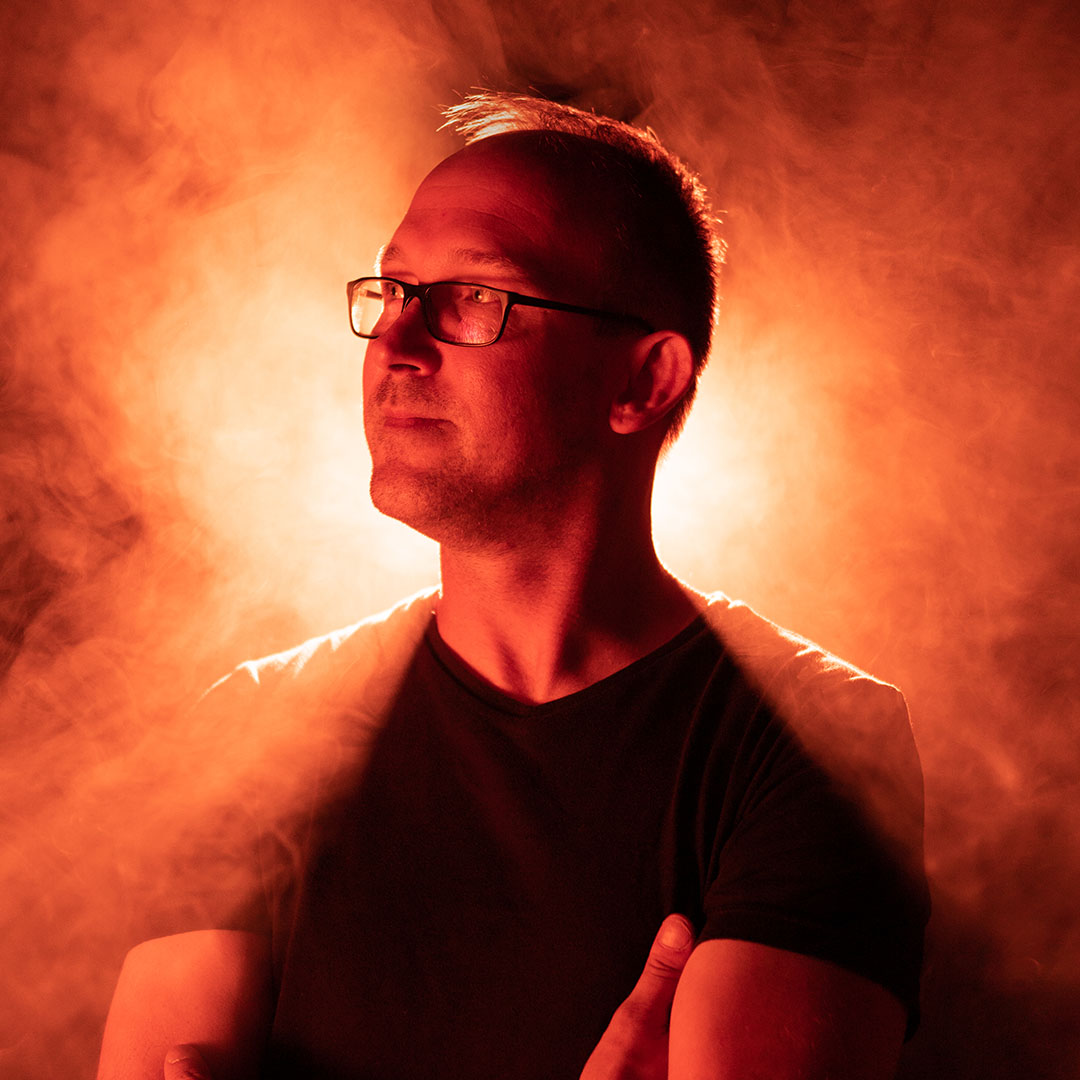
Lampé
Was there one track or studio session where you realised you weren’t simply making more Lampé records, but that an album was beginning to take shape?
During last winter I was producing a lot more melodic and groovy stuff, as I was a bit bored of the hard beats going on everywhere recently. Working on different genres is the way to stay creative and to not get lost in a loophole. I’m listening pretty often to finished and unfinished projects and in one of the session I felt like this could be a five-track EP, so it extended to the album.
You’ve said, “Art and Music should never be a competition, it should be your passion.” Electronic music can sometimes feel increasingly driven by charts, streaming numbers, social media and visibility. Was PASSION partly about reconnecting with the reason you started making music in the first place?
I always handle music as my hobby and I was never relying on that career. I always had another job, even at the times of my old Kularis-project. As soon you focus on music as a main job, creativity goes down and pressure grows. That’s the reason, why many performers buy ghost productions or have teams to create the output. Music is my love and when I don’t feel it, I’ll stay away from my studio or events for a while. You can´t force real creativity and you should not compare yourself to outhers, if you want to create something unique and do what you love.
You’re known for performing sets exclusively made up of your own productions. Does that relationship with the dancefloor influence the way you write music and were you already imagining where these album tracks might sit within a Lampé set while you were producing them?
Exactly! I produce the tracks for my sets. F.e. sometimes I’m missing a twilight-vibe, as I play through the sunrise or I have a lot of night-gigs and need more driving stuff. My motivation is to tell a story, like it was in the old times, when sets where way longer than today. That’s why I made an experiment last year in Hamburg, playing all nightlong (eight hours) only my tunes. At the end I was surprised that I had still more than 150 tracks that I would have loved to play as the club was closing in the morning. For me a set is always about the flow.
Lampé
“Cow da Welsh” immediately jumps out among the track titles. There has to be a story behind that one, where did the name come from?
Kaudelwelsch (a bit different written on the album) means gibberish. Today everybody gets flooded with message on various channels (email, SMS, WhatsApp, Social Media, etc.). I´m sometimes very slow in answering these, but people think they send me a message, and it will be read and done immediately. The latest trend is to send voice messages with three minutes and more. I don´t like listening to them and sometimes I ignore them. Why not having a short call instead? That´s way more social and personal instead of these sometimes cryptic messages with noise in the background. While creating the interlude between the first and second part of the album many voice messages arrived and I was pretty annoyed by them, so the idea was born to use them. All vocals in “Cow da Welsh” are friends of mine, like Fabio Fusco, Konfusia, Mark Dekoda, Diego Straube and many more. Sorry for sampling without rights-clearance 😉
How did you approach sequencing the record? Was the running order designed almost like one of your DJ sets, with tension, release and changes of intensity guiding the listener through it?
The album is structured in waves. The first wave goes up to “Physically” before “Cow da welsh” does the breakdown. The second wave starts with groovy minimal “Hold the line” and leads to more melodic stuff before “Footprint” sets a statement about human behaviour. “Beachtime” is the calm down ending that flows back to the intro of “My love”.
You’ve been developing this hybrid musical identity since 2018. When you listen back to PASSION, do you hear it as the culmination of everything you’ve learned during those years or more as the beginning of another phase?
It´s a journey that shows variety between niches. I don´t like to categorize music into small detailed genres, as many people do. For sure, every track included a learning but there was no planned goal. Every release is part of the lifetime process.
You’ve been described as a pioneer of a sound that deliberately sits between established genres. Has refusing to fit neatly into one category ever made your career more difficult, particularly in an electronic music industry that still relies heavily on genre labels?
The beginning of this project was pretty tricky. The music worked well on dancefloors, but all labels refused it, as it was not clearly defined in a genre. This was also the reason why I founded Alula Tunes. If the other labels didn’t want to release, I had to do it myself, as many people asked where they can get this sound. During the years this kind of music grew and labels opened their doors, so a good twist after a lot of work. This shows that you can move things, if you do what you really like. Don´t try to follow trends…
You’re releasing PASSION through your own Alula Tunes. How important was it that something as personal as your debut album came through your own label rather than somebody else’s platform?
As this album is a very personal thing, I wanted to have full control. So, it was the only way to release via Alula Tunes, as it was founded to deliver the music I like and would play as a DJ to the listeners.
Your music has already received support from many artists including Joris Voorn, Township Rebellion, John 00 Fleming and others. When your sound crosses several different electronic worlds, does seeing it connect with artists from different corners of the scene mean more?
Isn’t this what music is made for? Connect people, cross borders and open minds? I love what I do, I don’t want to be in focus, but I’m happy, if people share my idea of this.
Lampé
After more than 300 releases, you’ve presumably developed a strong instinct for when a track is finished. Did making your first album challenge that instinct, were you more obsessive about these eleven tracks because they had to work together as a complete statement?
Through the years I’ve learned how to find the sweet spot to stop working on a track or project. On one point you just make things worse, if you continue to work on it. That´s the shadow side of perfectionism. When I listen to the album today it´s still full of imperfection, but the main idea and vibe is the more important than a hundred details more. Even on an album every track should stay one of a kind.
If somebody listens to PASSION from “My Love” through to “Beachtime” in one sitting, what do you hope they understand about Lampé by the end that they perhaps wouldn’t get from hearing one of your tracks in isolation or on the dancefloor?
The album is made to listen in a row in daily life. For a pure dancefloor album it has the wrong structure and it was never meant to work like this. I hope the mix of different things grabs people’s emotions on some point, or at least attention and maybe opens their eyes to different genres or genre-fluent electronic music.
Lampé – Passion is out now on Alula Tunes. Grab it on Beatport HERE.
Head to Beatportal to read The Night Bazaar exclusive interviews in partnership with Beatport HERE.