




BRIGHTON and Hove are getting ready for this years BMC (Brighton Music Conference) which takes place from May 21 -24 in the city.
BMC is the UK‘s foremost electronic music industry event, bringing together Industry-leading delegates and speakers at over 60 talks, seminars and workshops, alongside networking events throughout the conference duration.
BMC Professional connects music with business, bringing together thought leaders through a series of panels to discuss the future sustainable growth of the electronic music industry, targeted networking events and access to an evening schedule of events and parties across Brighton.
BMC Academy is about plugging in the next generation and fostering new talent via a series of masterclasses, panels and talks. Both tickets give access to the two-day exhibition featuring tech showcases, panels and interviews.
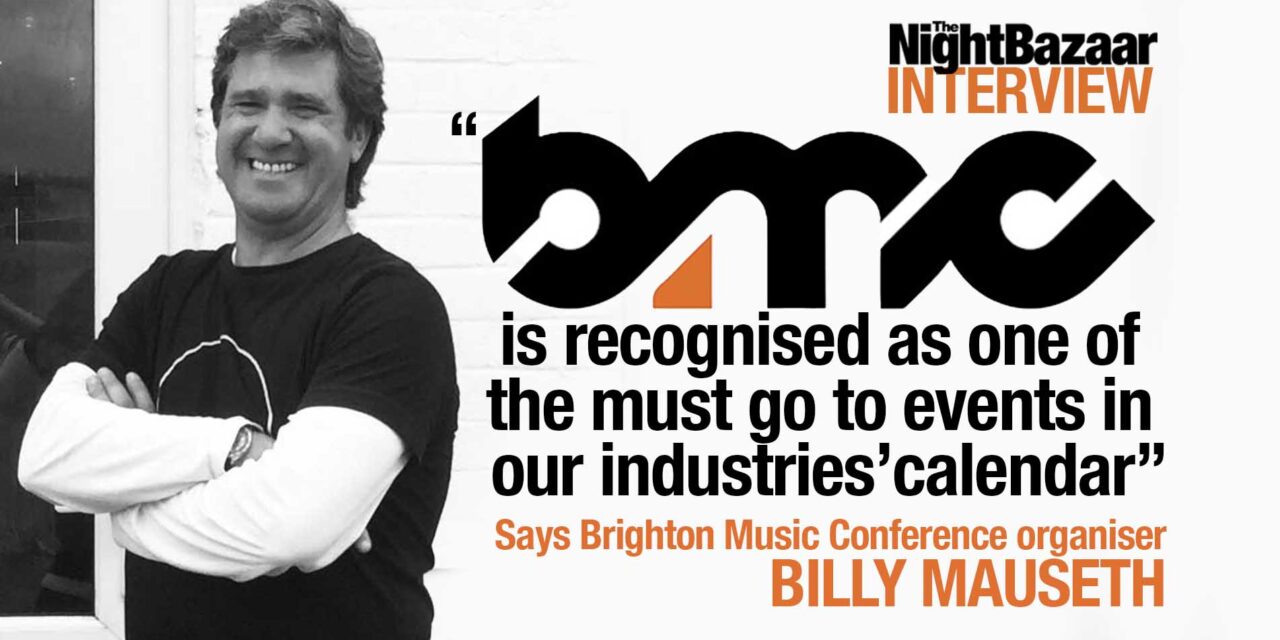
We caught up with BMC founder, Billy Mauseth to chat about the state of the UK electronic dance music scene in 2025, what to expect from this years BMC and much more. For more information on this years BMC head HERE.
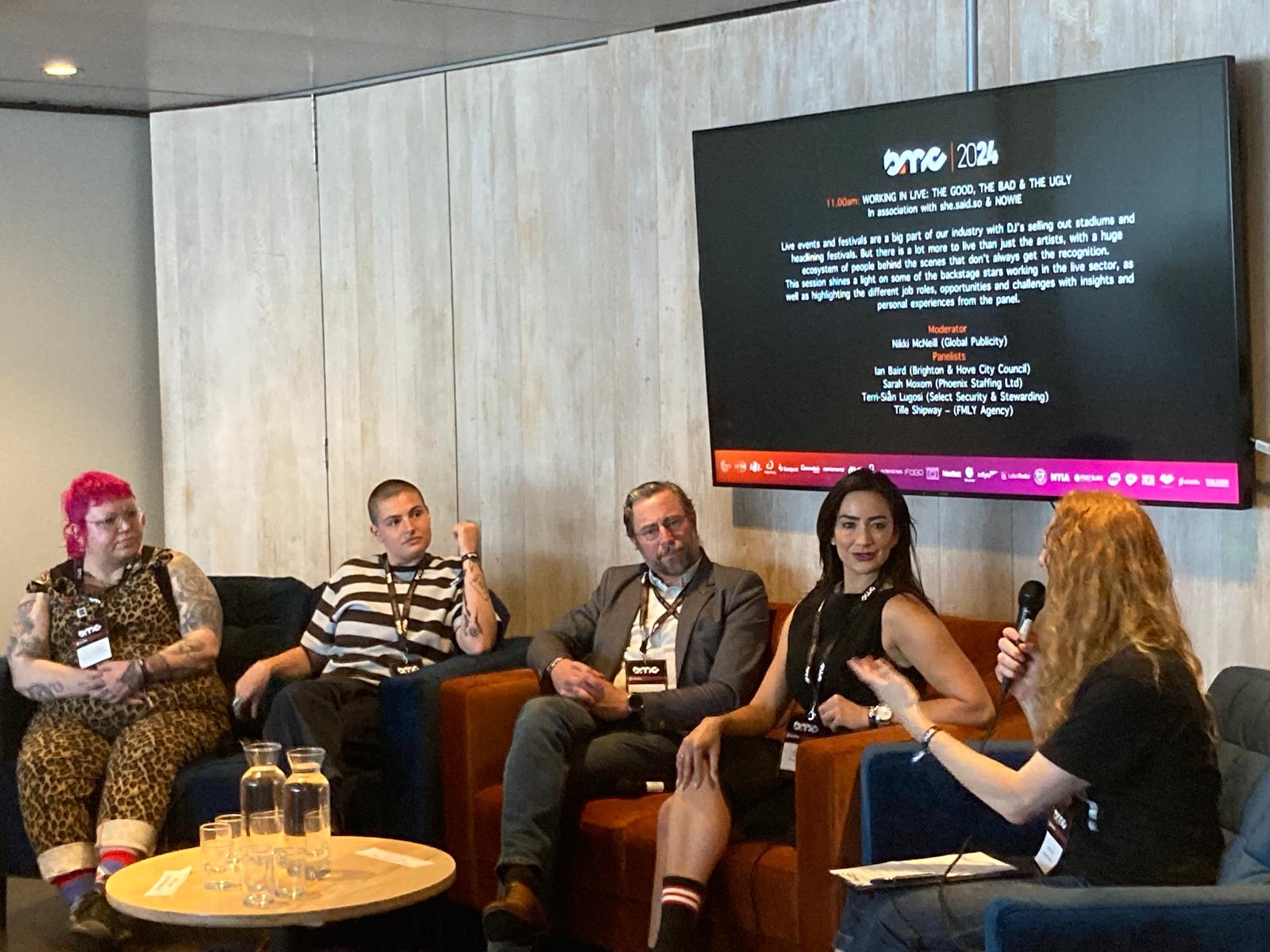
Brighton Music Conference (BMC) – One of last years panels
How would you describe the current state of the UK dance music scene in 2025? Are we seeing a post-pandemic renaissance, or are there still challenges to overcome?
It’s not the best it’s ever been with the shutting of many venues over the last couple of years and the rising costs of living and putting on events is making it hard for promoters etc to put on these events. The costs have also affected the money in people’s pockets, with many people only going out once in a while now compared to regularly attending gigs and club nights.
But saying that, I am also seeing some new venues opening and new promoters coming through which gives me hope. The next generation still loves music and wants to put on their own nights and do things their way.
With the rise of streaming and social media, how do you think artist discovery and development has shifted in dance music compared to a decade ago?
Without a doubt promoters are looking at artists social media platforms to see how many followers/likes they have. It seems that a lot of artists are booked now because of this and not their musical talent. These days you definitely need to be on top of your socials, more than ever which is a shame, as the music is the most important thing in my mind.
This year’s BMC promises some exciting additions. Can you tell us what’s new in 2025 and what you’re most excited about?
We’re excited about the new format of this year’s event, instead of having one main venue we have decided to use numerous venues to expand the conference programme.
The New Health, Wellbeing & Lifestyle programme in collaboration with Skiddle will take place at The Harbour Hotel.
The main ‘BMC Hub’ will be located at ‘Players’ (previously Coalition), which will be the new registration area, exhibition space and networking hub.
Horizon will be the new space for sessions geared towards DJ’s, Producers and Promoters.
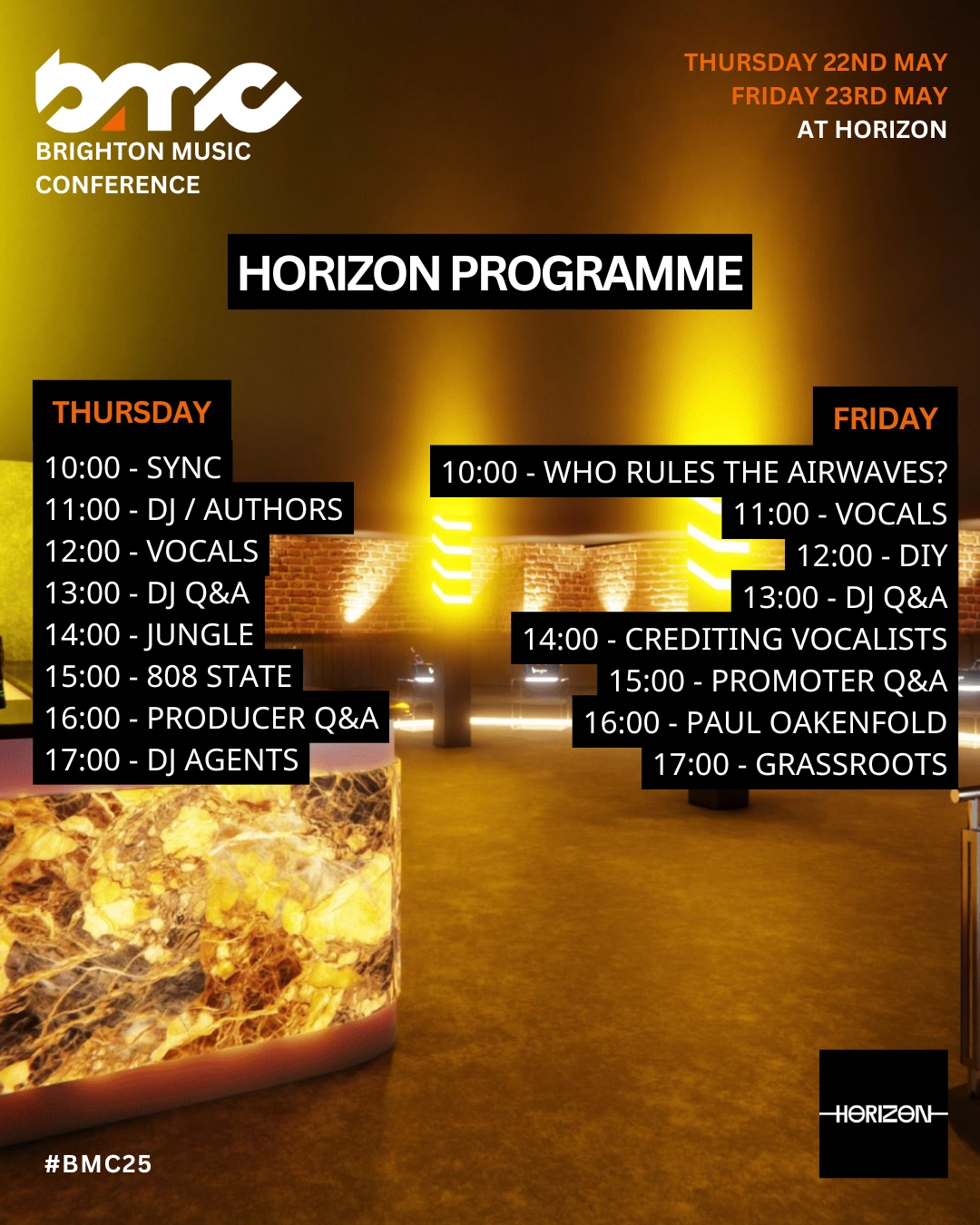
For further information on BMC – CLICK IMAGE
The Tempest will be the place for industry-related talks, the A&R Sessions and the official BMC Welcome Mixer in association with AFEM.
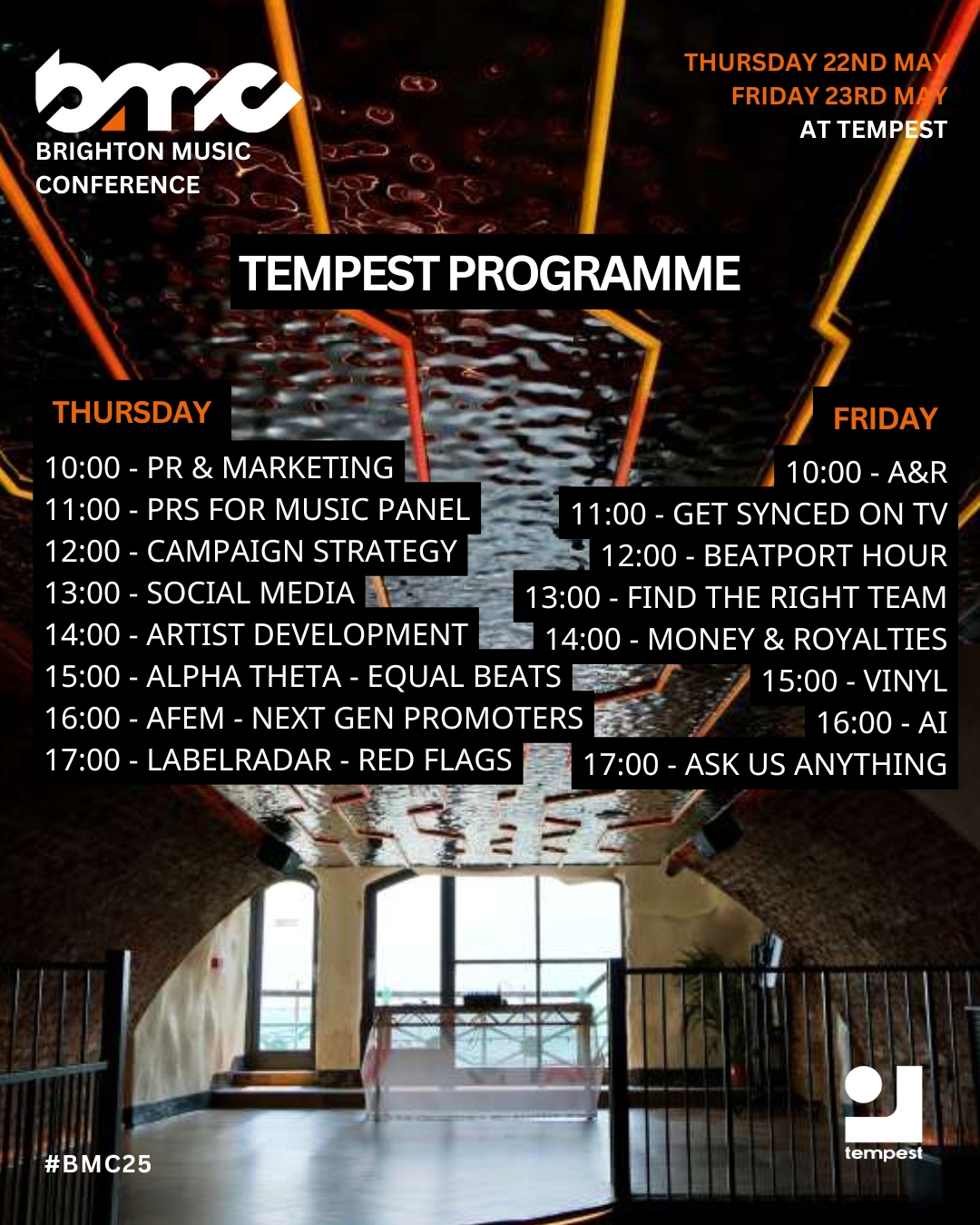
For further information BMC – CLICK IMAGE
The Lazy Fin will host breakfast networking sessions and workshops.
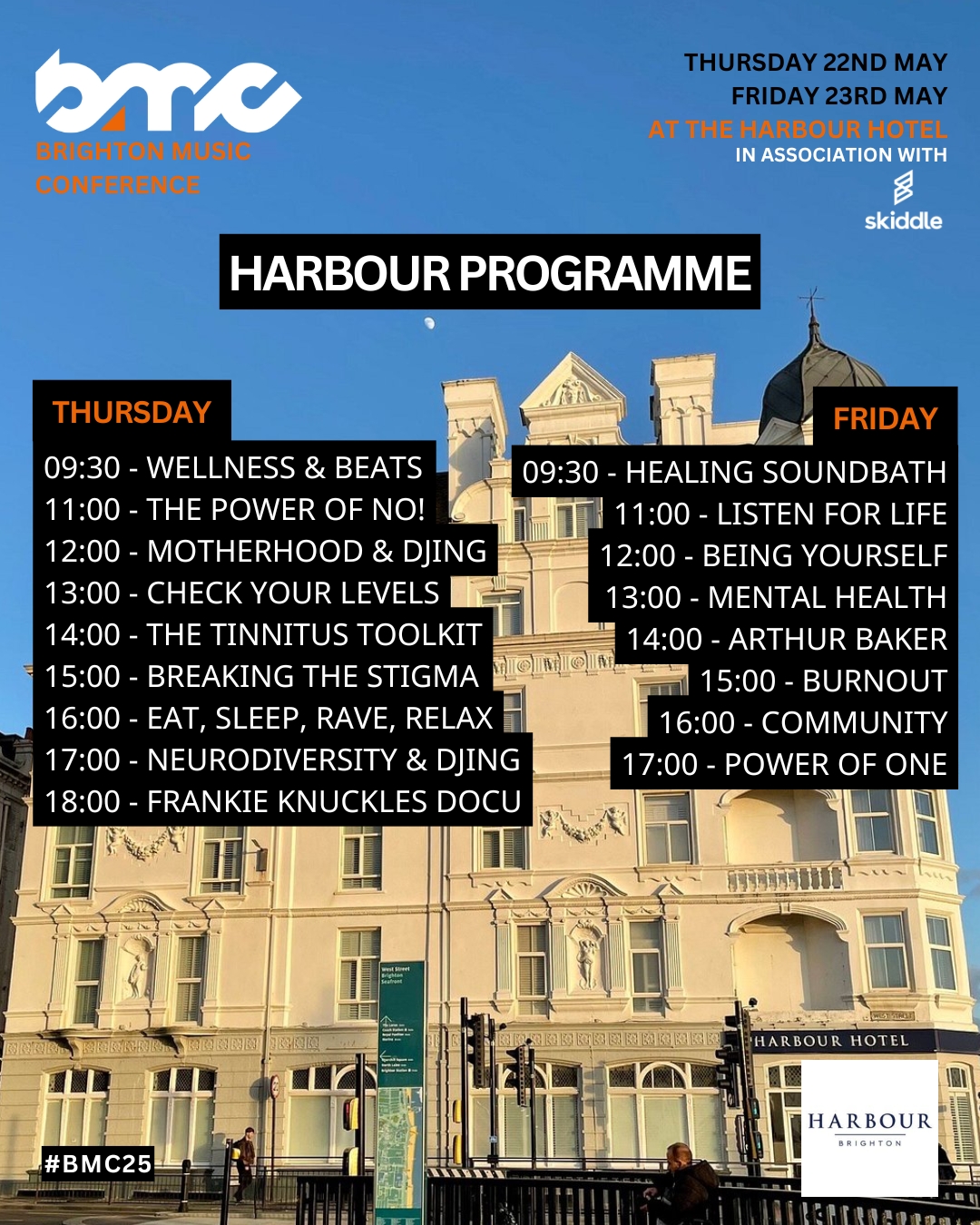
For further information on BMC – CLICK IMAGE
In total, I think we will be spread across 10 different venues for our talks, the A&R sessions, networking events, industry breakfasts, 121 meetings and club nights, but they are all close together and walking distance.
Some of the artists we’re looking forward to see include: 808 State, Angie Brown, Arthur Baker, DJ Rap, Fatboy Slim, Fat Tony, Hilit Kolet, Jess Bays, Jumping Jack Frost, Marcia Carr, Paul Oakenfold, Ray Keith, Smokin Jo.
And also we’ll have over 240 industry-leading professionals taking part in panels and workshops, ‘A&R Sessions’ with 28 leading A&R professionals giving one to one feedback and multiple Networking events at some of Brighton’s best loved venues, so there’s lots to look forward to.
How has BMC evolved since its inception, and what role do you think it now plays within the global electronic music industry?
BMC is more about content and networking now, when we launched 13 years ago, we were more of an exhibition with over 70 exhibitors and 1 theatre, we now have around 10 exhibitors and 4 theatres and i hope we are recognised as one of the “must go to” events in our industries calendar, especially here in the uk.
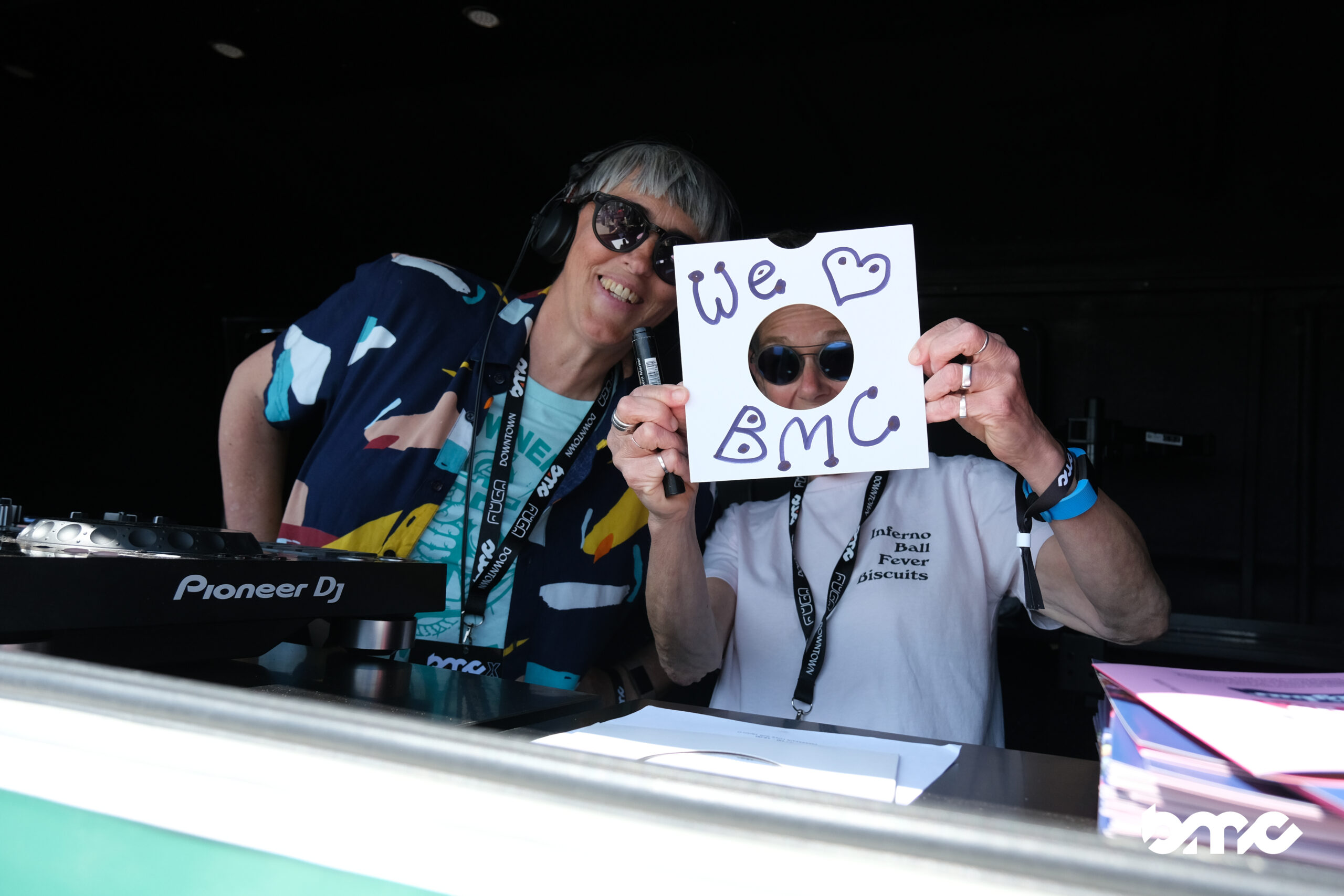
We love BMC too!
How do you balance the commercial and cultural aspects of the conference – particularly in fostering meaningful conversation while supporting innovation and business?
We really do a lot of research, talk to a lot of people in the industry and are always on the look out for the next big thing. We also go to a lot of other events and check out what other people are up to.
What do you see as the role of small clubs and independent venues in nurturing the next generation of UK DJs, producers, and promoters?
So important, we work quite closely with the NTIA (Night Time Industries Association) and this is a topic we’ll be covering at BMC this year. All the big stars started out in small venues and grew their fanbase from there, so it’s important to support them and encourage the next generation of promoters.
Many iconic grassroots venues have closed in recent years. What can the industry – and government – do to better protect these spaces?
There are grants/help you can get for this. The NTIA who also work closely with the government to lobby for support and AFEM (Association For Electronic Music) are both great resources for information and help for anyone with this. If you’re struggling, please contact them, if they can help you, they will.
How important is the relationship between local scenes and global recognition in dance music? Can grassroots culture still influence the mainstream as strongly as it once did?
When I started in this industry, society didn’t really take us seriously, it was always looked at like it was just a hobby, a bit of fun, it wasn’t a career and there was no real help for people like us, there was no real help for people wanting to get into the electronic music industry, but things are different now, the electronic music scene has reached the mainstream and become popular globally and now seen as a real industry and generally accepted, so that’s a good thing in my mind. It all starts in our local areas/scenes and eventually it all goes towards influencing the national and global scene, with influences from local scenes from all over the world.
Are there any standout grassroots initiatives or venues you think deserve more attention right now?
PRS have got some great grants and incentives for grassroots artists, I would check that out. It’s also worth talking to the National Lottery funding, you will have to fill out a load of forms, but you could walk away from these with a fair bit of help and potentially money to help you with your career.
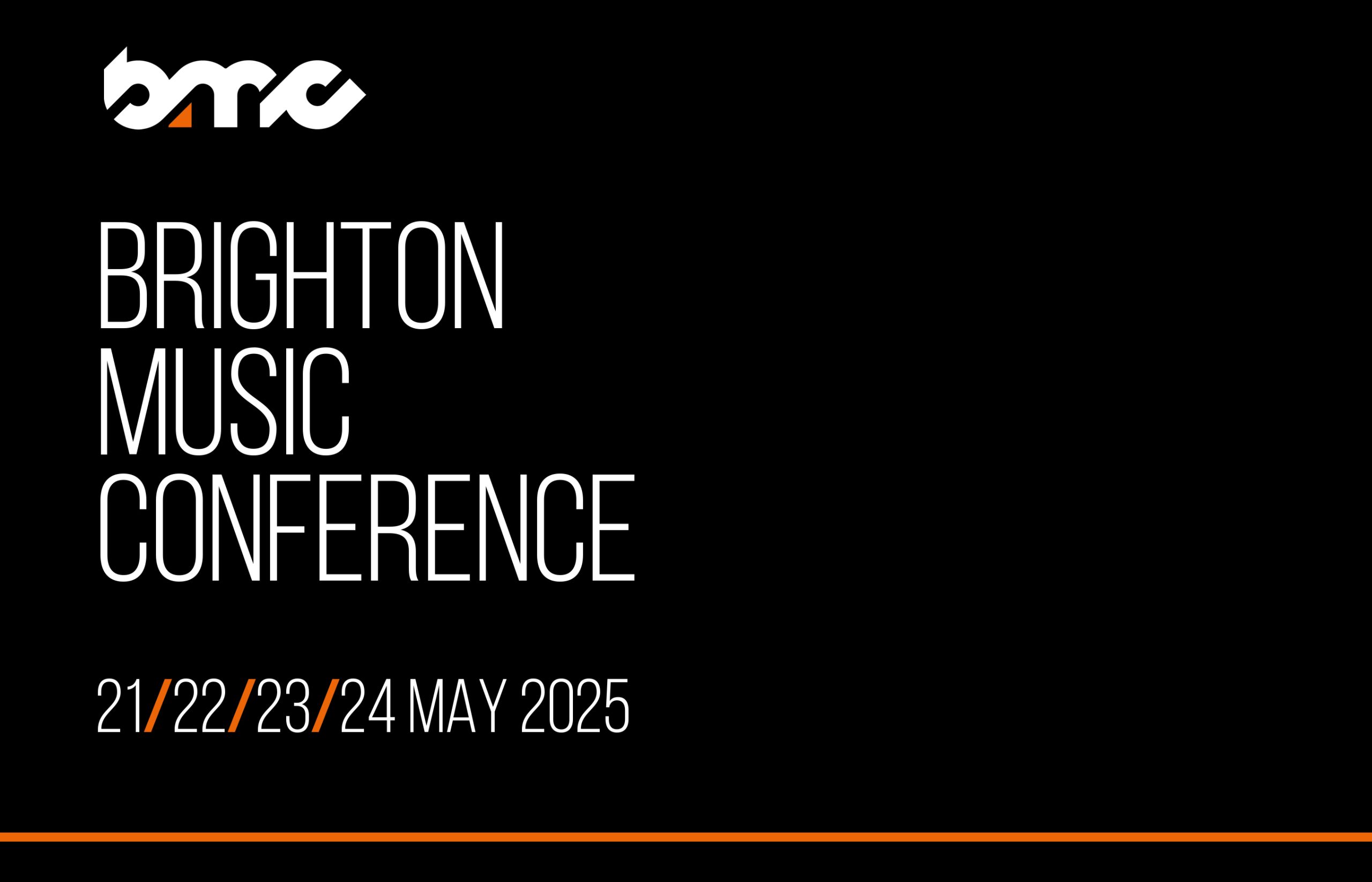
CLICK OR TAP IMAGE FOR MORE INFORMATION