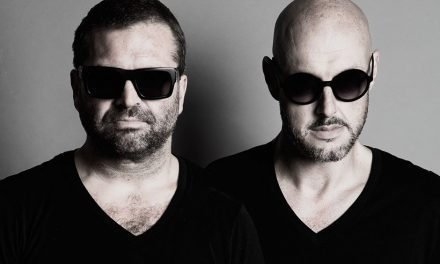





With careers spanning more than three decades and a creative partnership that has produced 26 twelve-inch releases since 2003, Seba & Paradox have established themselves among drum & bass’s most enduring and respected innovators. Their latest release, Conscious / Life featuring Sapele, sees the duo join the legendary R&S Records, bringing together their distinctive musical backgrounds and the pioneering spirit of one of electronic music’s most influential labels.
From Seba’s roots in Sweden’s techno scene and his early releases on Good Looking Records to Paradox’s formative years with Moving Shadow and Reinforced, their individual journeys have followed different paths towards a shared musical vision.
In two separate conversations with The Night Bazaar for Beatportal, Sebastian Ahrenberg (Seba) and Dev Pandya (Paradox) reflect on their early influences, the evolution of their creative partnership, their uncompromising production methods and the musical inspirations behind their latest R&S release.
SEBA
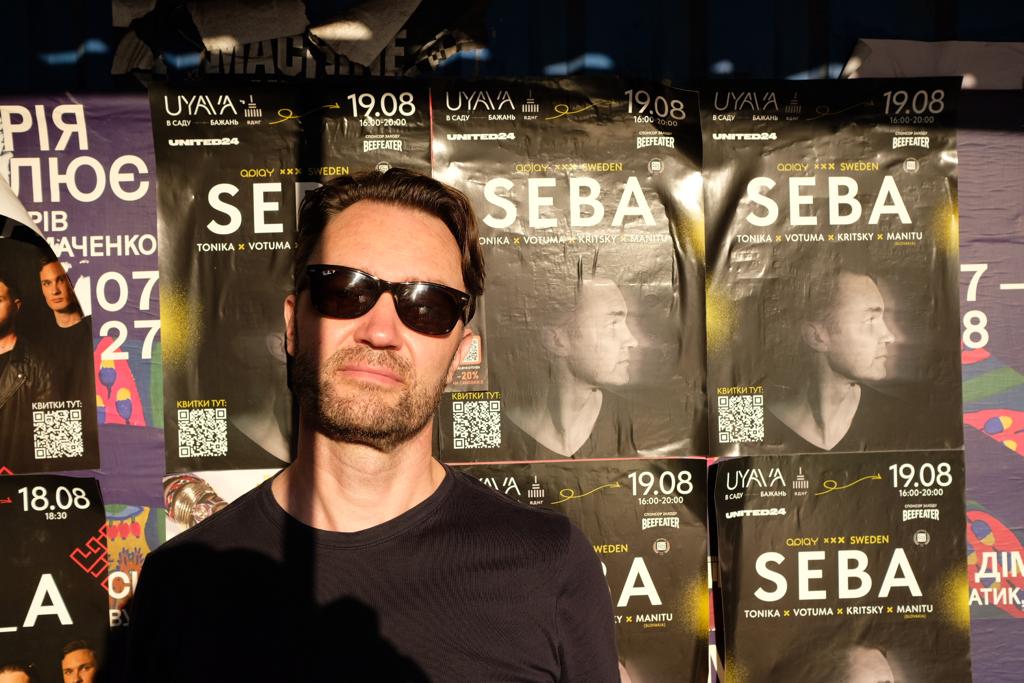
Seba
How does where you come from influence your music?
I think that where I am geographically has shaped my music. Making drum & bass in Sweden has kept me a bit on a sidetrack with the drum & bass scene. I’ve been making drum & bass since the 90’s and I believe if I’d moved to the UK at some point, my music would have been coloured by the drum& bass scene in the UK.
Sweden is known for its quality techno producers like Adam Beyer, Robert Leiner and Cari Lekebusch. I’ve been following the techno scene throughout the years in Stockholm and I think it has made an imprint on my drum&bass production.
What music artists have influenced you?
I take a inspiration from a different artists and different genres. Mostly non drum&bass. I listen to a lot of Jazz, and electronic music with vast audio landcapes. It gives me ideas that I’d like to try out in my own creations. Right now, what makes me want to get in the studio are artists 36, Rival consoles and Ross from friends.
Why did you first start making music?
I got in to industrial music like Front 242 and Nitzer Ebb at the age of 16 and short after I started to collect music equipment to make my own tracks. I’ve always been in to electronic music and when the rave culture emerged in early 90’s it was an obvious transition from the music i listened to. I was fascinated by this new sound that came from the uk known as “UK hardcore”. It was fast and aggressive and had an interesting drum pattern that was funky and groovy. This was somthing i wanted to do and started chopping drum loops to make my own adaptation of this sound. Later on, this style of music was better known as “Jungle” and evolved into “drum&bass” in mid 90’s.
What equipment did you use to make? Do you have a process?
Dev lives in Lithuania and I live in Sweden. Previously we worked in the UK also but now we work together in my studio, and never over the internet. This means Dev needs to fly over and we need to prepare for every session. Dev uses his old gear to make breakbeats in his studio. Then he brings those with him to my studio where we work in Steinberg Cubase. I’ve used Cubase since it first appeared on Atari in the 90’s. Once we’re in the studio its a quick process. We can knock up the core idea for 4-6 tracks over a week. Then once the tracks are set, I will spend extra time (up to an eternity) to mix everything down and get the sound that we want.
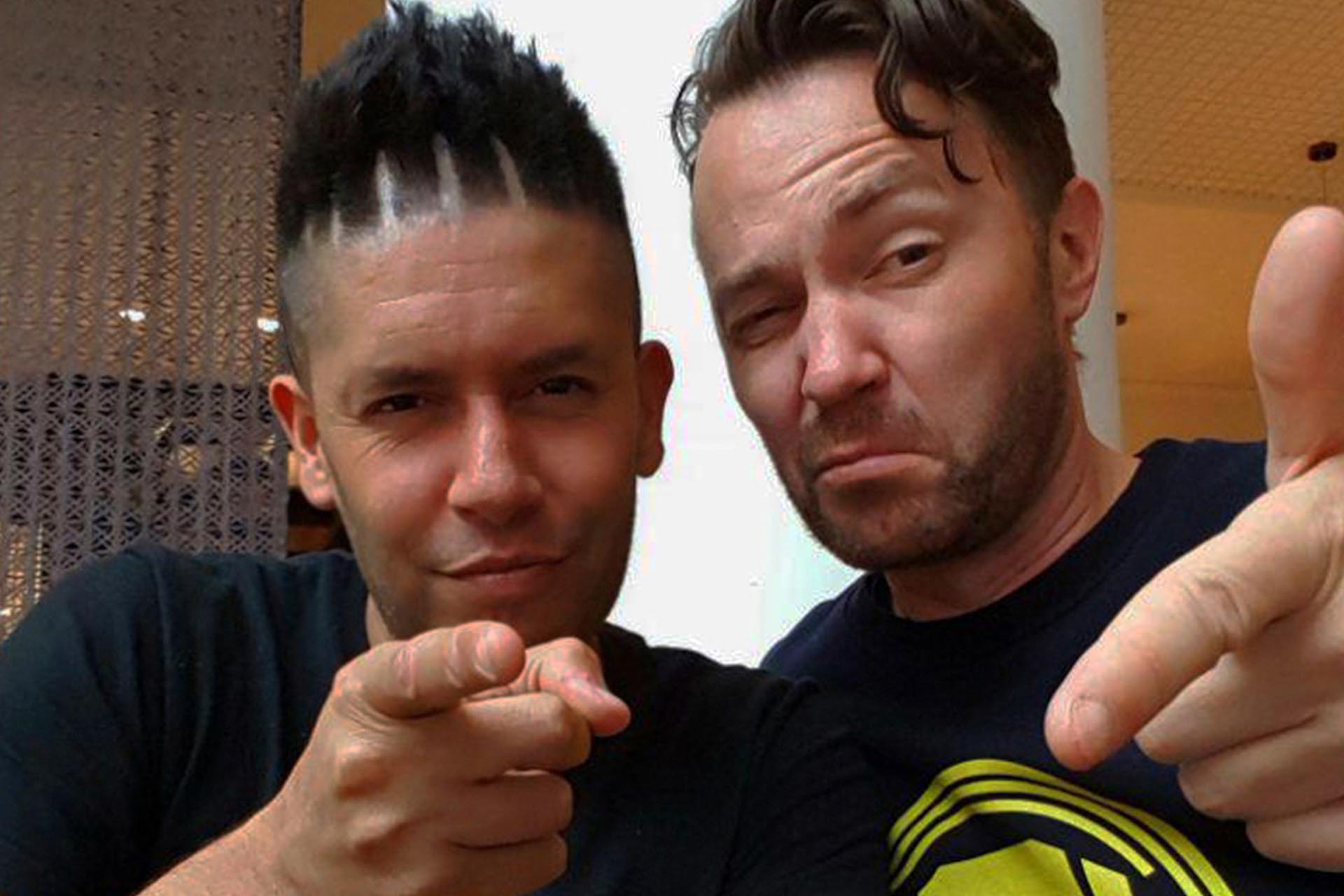
Seba & Paradox
PARADOX
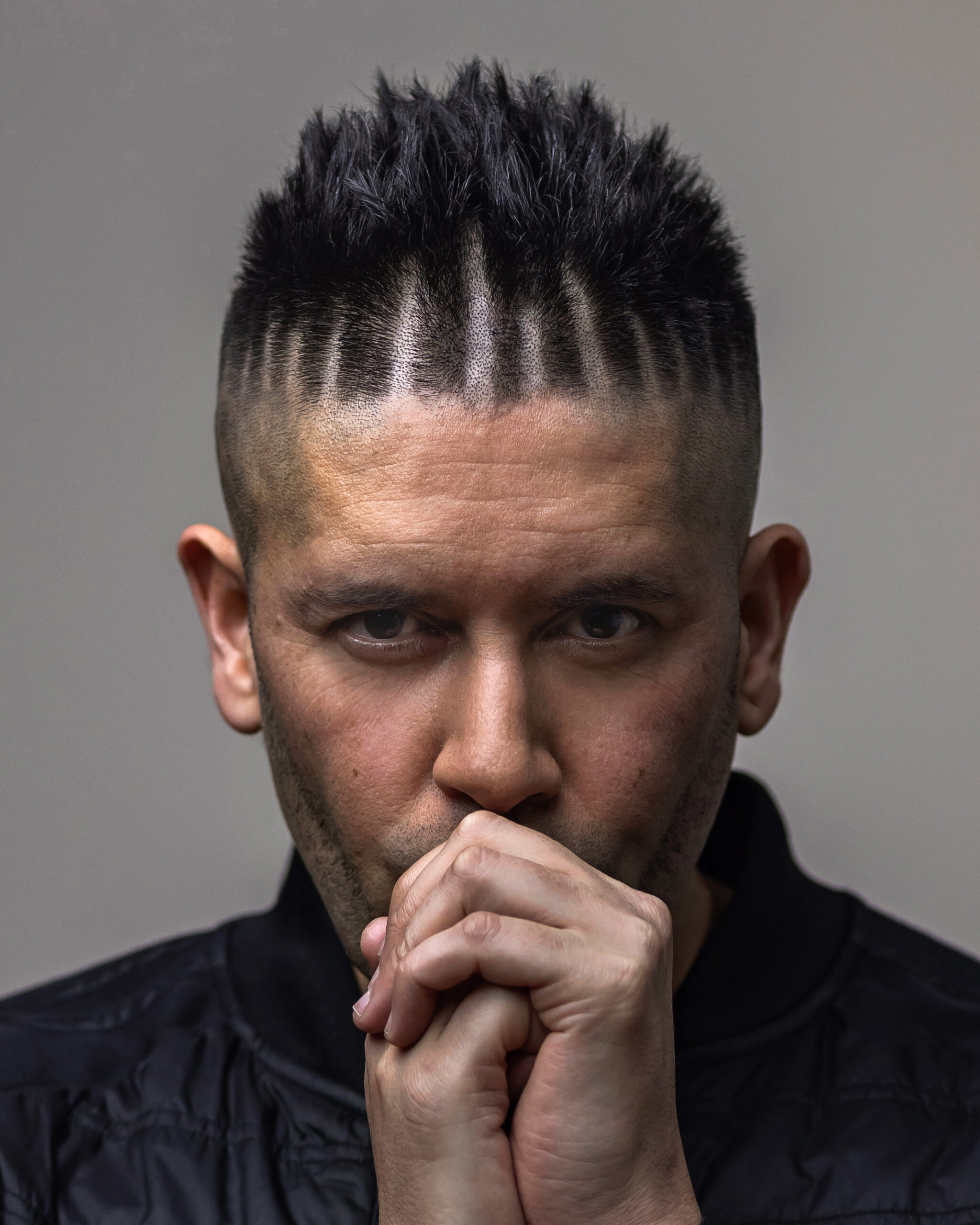
Paradox
How does where you come from influence your music?
I’m Anglo-Indian so I have many influences in my breakbeat music. When I do album projects I try to incorporate my blood-ties into my titles. This work ethic led to a track written for my Indian grandmother called ‘Manjira’ on my Ramifications album – One of my favourites.
As an artist signed to the Moving Shadow record label in 1991, coming from breakbeat hiphop in the late 80’s I was luckily enough to experience the whole 90’s hardcore era before it evolved into Jungle.
Today I live in Lithuania and the harsh winters influence my music for sure. My Paradox works in the later part of the year in-turn are definately more brutal.
What music artists have influenced you?
The Breakbeat Hiphop crews of the early 90’s such as Tuff Crew, Big Daddy Kane and Public Enemy shaped alot of what I did as ‘Mixrace’ with Dj Trax on Moving Shadow.
Funk bands and session drummers spanning soul and funk 45’s are still an inspiration, and a big part of what I listen to today.
In the early years artists like Autechre to Photek paved the way I thought. I wasn’t a big techno vinyl buyer but I loved the underground hypnotic stuff from R&S and the rawness from Reinforced records and Ibiza records. Being bombarded with music from all corners from peers in the underground UK scene was incredible back then, which eventually led me signing to 4 Hero’s Reinforced records in the mid 90’s.
What places from where you are from such as clubs/arts venues have influenced you?
Without a shadow of a doubt, the weekly trips to ‘Speed’ at the Mars Bar and Goldie’s ‘Metalheadz Sunday Sessions’ at The Blue Note in London grounded everything for me. These two events along with the Good Looking nights at Ministry of Sound paved the way for me as an artist to find my feet in the studio and the dancefloor.
Why did you first start making music?
As I approach my 200th vinyl release I never get bored of releasing breakbeat music. It’s simply a way of life.
I was always fascinated by the Yamaha DX7 synthesizer for some reason. I’d draw the synth’s logo on all my school text books which infuriated my teachers. Cheap sampling keyboards from Casio then changed everything and looping breakbeats with mpc-like pads became an obsession. Art has always been my thing, whether it be graphic design, stage work or music. I’ve always been a performing arts artist.
What’s the story behind the release? How did it come about? What message were you trying to convey, if any?
Myself and Seba started from different backgrounds but we forged similar paths in Drum & Bass. We’ve been collaborating on 12″ projects since 2003 and Conscious / Life is our 26th 12″ to date.
Seba has more of a techno background but we’ve both gathered R&S 12″s since the early 90’s. For me personally releasing physical vinyl on Moving Shadow, Reinforced, Metalheadz, Good Looking and R&S are all in a logo-collective that stands the test of time.
What equipment did you use to make? Do you have a process?
My Paradox studio is quiet ancient, but I like the rawness of rackmount samplers and outboard gear feeding modern mastering techniques. It’s like having a raw camera file to play with from scratch.
Seba’s studio is very cool with an abundance of synths and I love us working there for every 12” we do.
The break-work was programmed in Lithuania and we wrote and sequenced the tracks in Sweden at Seba’s studio. We have to be side-by-side in the studio every time. This process is paramount for us, and the best way to get everything across as a collaboration.
Seba & Paradox featuring Sapele – Conscious / Life is out now on R&S Records. Grab it HERE.
Read more interviews from The Night Bazaar on Beatportal HERE.
Seba & Paradox – Click image to head to The Night Bazaar on Beatportal