




![<span class="entry-title-primary">Carl Cox on collaborating with rock icon Perry Farrell, live evolution and reigniting his Ibiza legacy at [UNVRS]</span> <span class="entry-subtitle">Carl Cox reflects on his explosive collaboration with Jane’s Addiction frontman and rock icon Perry Farrell, his renewed commitment to live electronic evolution and the spiritual reignition of his Ibiza legacy at hyperclub [UNVRS] as he enters one of the most energized and creatively transformative chapters of his career</span>](https://thenightbazaar.co.uk/wp-content/uploads/2025/12/CARL-COX2-copy-1280x640.jpg)
As one of dance music’s most influential pioneers, Carl Cox has never stopped evolving and today, he stands at one of the most creatively electric points of his career.
Fresh from his explosive collaboration with Jane’s Addiction frontman Perry Farrell, a revitalized Ibiza residency and a renewed focus on live electronic performance, Cox speaks with the energy of an artist still pushing boundaries after more than four decades behind the decks.
In this candid conversation, he opens up about the making of Joya, the personal transformation fuelling his new momentum, his incredible summer at [UNVRS] in Ibiza and why the future of electronic music lies far beyond traditional DJing.
We sat down with the global icon to explore how he’s rewriting his own legacy and why he’s having more fun than ever.
Let’s start with Joya, your collaboration with Perry Farrell. How did that come about? And were you always into indie rock growing up?
I’ve always listened to everything, growing up in the late 60s and 70s it was Slade, Showaddywaddy, T. Rex, Public Image Ltd, Sham 69, the Sex Pistols… and reggae too: Coxsone, Trojan. Then rock and roll like Jim Reeves, Duane Eddy, Little Richard. You can’t escape any of it, put the radio on and you’ll hear Jane’s Addiction sooner or later whether you like it or not.
Back when I first went to Ultra in the early 2000s, Perry was the guy, a proper rock god. Every time I played, he’d be around. People would almost ignore me: “Oh wow, Perry Farrell!” So, there was always a mutual interest, but we’d never actually made music together.
It wasn’t until lockdown, nearly 20 years later, that he finally reached out. Everyone was stuck at home, moaning, and I was in the studio surrounded by machines making what became my new album. Perry asked if I’d be interested in doing something and I said, Absolutely, it’s about time.
Were you nervous at all about sending him music?
Totally. I had no idea what he was into at that point, so I basically threw a dart. I said, “Alright, I’ve got this track called Joya,” which means gemstone in Spanish, something precious. I sent him the instrumental and he came straight back: “Yes. That’s what I’m talking about.” I thought, “Well, that was easy!”
Then a month later he sent over the vocals. And honestly? They blew my mind. He really sang with all this emotion, all this “wow-wow-wow” energy. I wanted every bit of that rawness.
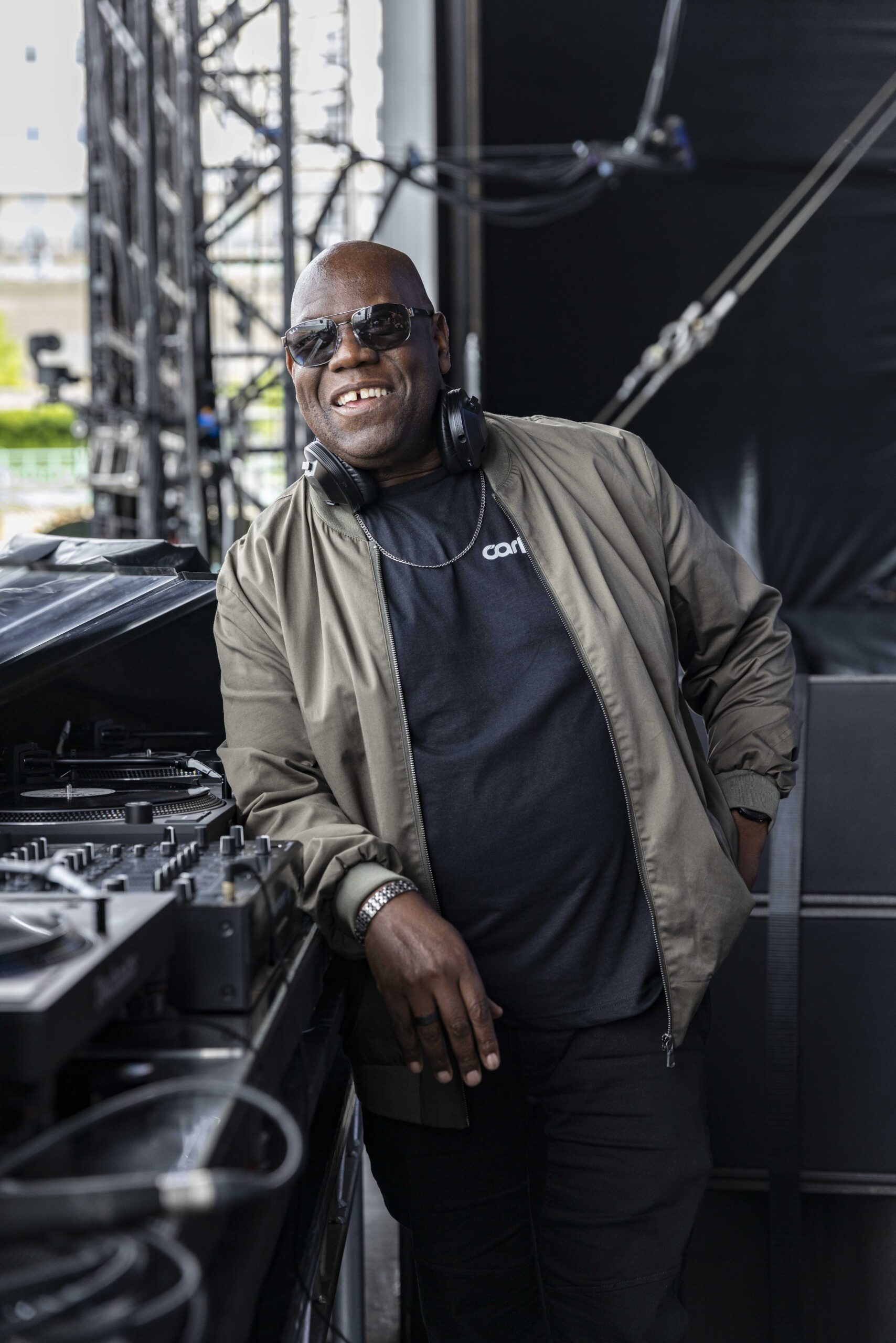
Carl Cox – Picture: Dan Reid
How did the production come together from there?
We had to reshape the track a bit, my original was about nine minutes and his vocal was four or five. We wanted it to keep his live, unhinged feel but still sound like it had gone through a big studio. Neil McLellan, who I’ve known since the Guru Josh days and who produced The Prodigy, helped finish the final production so it felt powerful but still organic.
We ended up with different versions, including the “Mushroom Mix,” which is what I play live. It breaks down, comes back up, Perry’s voice comes in, “Sitting on a mushroom…” and the place goes nuts.
You’ve been closing your live shows with it, right?
Only the live shows, not the DJ sets. I wanted it to feel special. At the live shows we have cameras on me and on the crowd, when the vocal drops, the screens switch to the audience seeing themselves losing it. It’s a moment.
There was talk of Perry performing it with you at Ultra?
Yeah, we were supposed to bring him out as a special guest for Ultra’s 25th anniversary, that would’ve blown people’s minds. But it couldn’t happen.
So, we held onto the track for two years, building the hype. People were asking me constantly, “What’s that last track you play?” And we finally released it.
Paul Oakenfold messaged me saying it was incredible, never thought he’d hear anything like that from me.
Do you see it as one of the standout records of your career?
Honestly? Yeah. I made it because it came from here, my heart, my brain, not because it fits any trend. I could’ve had someone like Fisher remix it and turned it into whatever’s big right now, but that’s not me. I think you can play this record in 10 years and it’ll still sound good.
It’s a Carl Cox record with Perry Farrell. It represents both of us, and that’s why I love it.
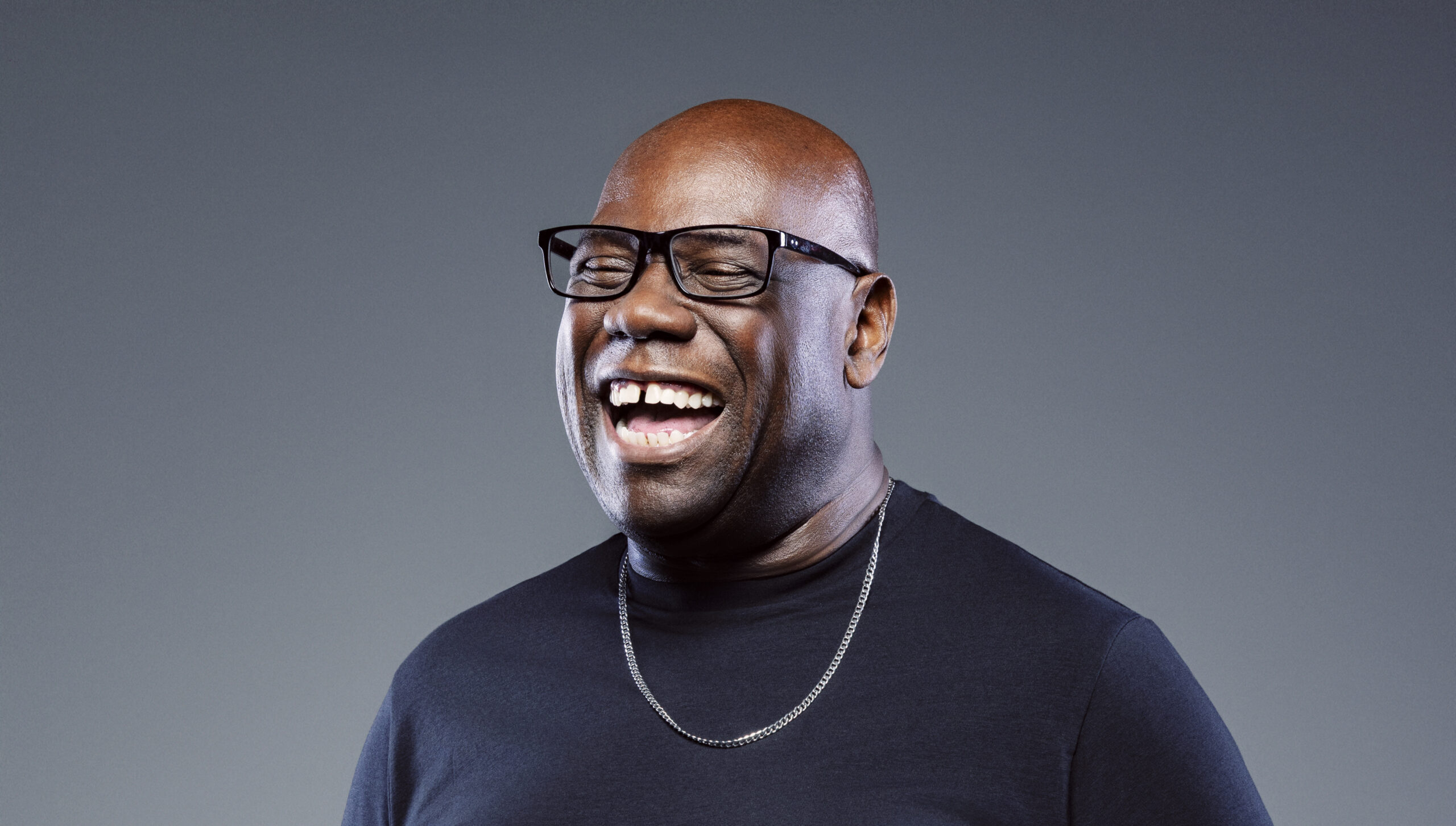
Carl Cox – Picture: Dan Reid
[UNVRS], is your first residency since leaving Space. What was it like emotionally reconnecting with Ibiza and the island?
It was incredible. I hadn’t been back with a residency since 2016, I was away for years. I didn’t come back for money; it wasn’t about that. This was about having the chance to represent myself and my music properly, in a space that deserved it. [UNVRS] is a beautiful club, and the investment they made, €85 – €90 million, showed they really believed in what we could do.
Coming back, I felt this connection to my “church”, the place where I’ve spent decades performing. When I first played at Space, it was raw: no mobile phones, nothing to distract you, just music and people losing themselves. Now, nine years later, a new generation walks in. They weren’t even adults when Space closed, so they don’t know what it meant. But my goal was to give them that same pure, emotional experience.
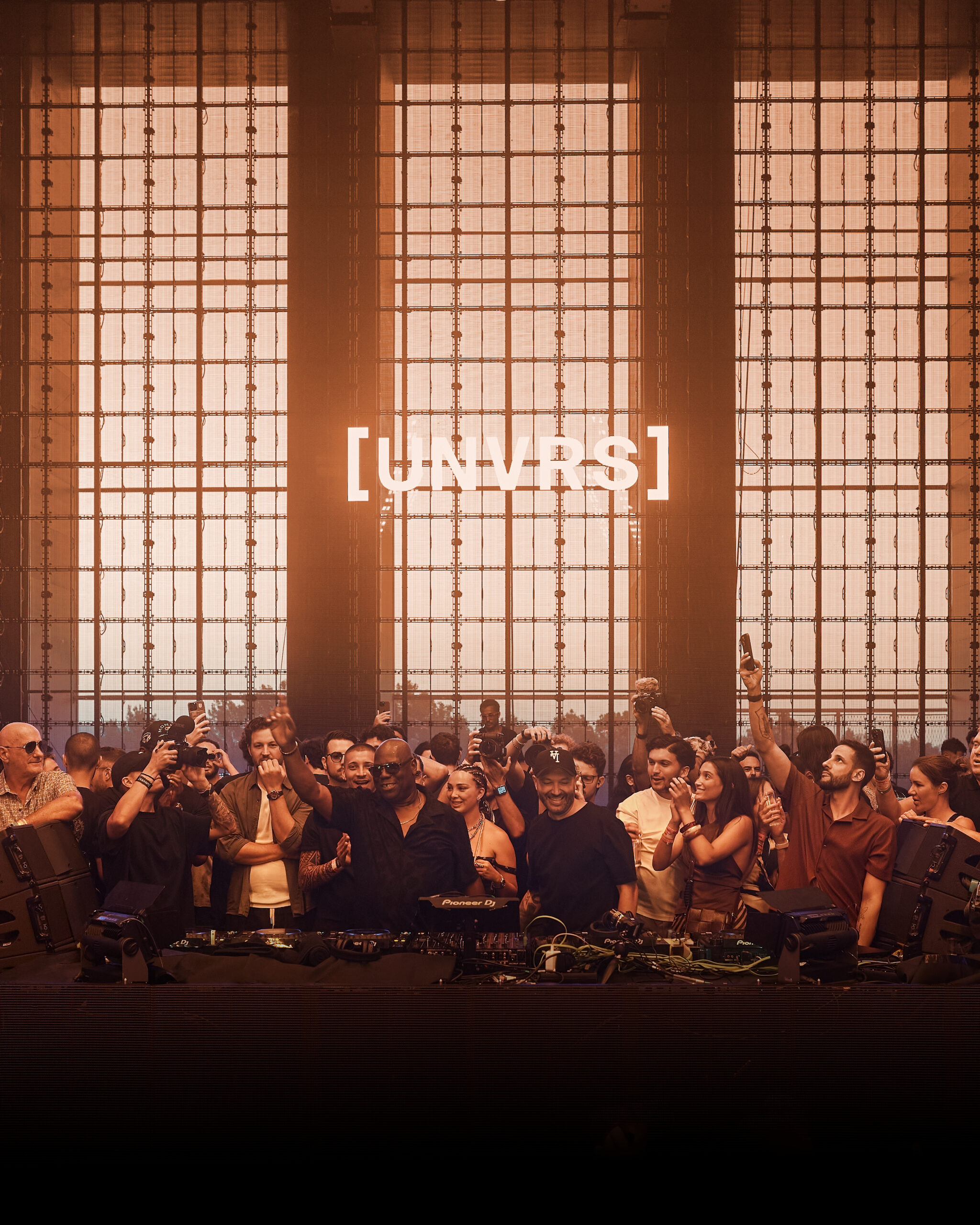
Carl Cox at [UNVRS] Ibiza – Summer 2025
You’ve mentioned before you didn’t expect to DJ past 40 or 45. Now you’re in your 60s, how do you maintain that energy?
It’s a combination of love for what I do and staying healthy. I’ve recently been on a weight-loss program, lost over 42 kilos in four months. I monitor my calories carefully, walk 15–26,000 steps during a set alone, and keep active with light gym work three times a week. I stretch, do core exercises, and manage my body. The energy comes from loving the music, being in the moment, and making the experience unforgettable for the crowd.
That’s impressive. Do you feel the physical toll of performing at this level?
Sure, but I feel better than I ever have. Performing is cardio, full-body work, mental focus, it’s exhausting but energizing. I can finish a set and still feel like I could go another round. And the satisfaction of seeing people connect with the music makes it all worthwhile.
Any final thoughts on your longevity and energy?
I’ve been doing this for over 45 years. It’s not about fame or recognition, it’s about passion, connection, and creating moments. The DJ Top 100 is nice, but it doesn’t define me. I’m still producing live music, mentoring new talent, and performing at the highest level because I love it. I have fun every night and that’s what keeps me going.
What new live artists are you excited about? Can we expect more ASW showcases?
Absolutely. There’s a lot of talent out there who are creating music at home but haven’t had the chance to bring it to an audience. ASW is about giving them that platform. It’s more than just a DJ set, it’s a live electronic performance. People don’t want to watch someone staring at their laptop; they want to see the music being performed.
We have some exciting artists lined up: Colin Benders and An On Bast for example. An On Bast performed for us in Poland, amazing talent. She’s grounded, humble and incredibly skilled. We’ll continue mentoring, supporting, and showcasing these artists until they’re ready for their own releases.
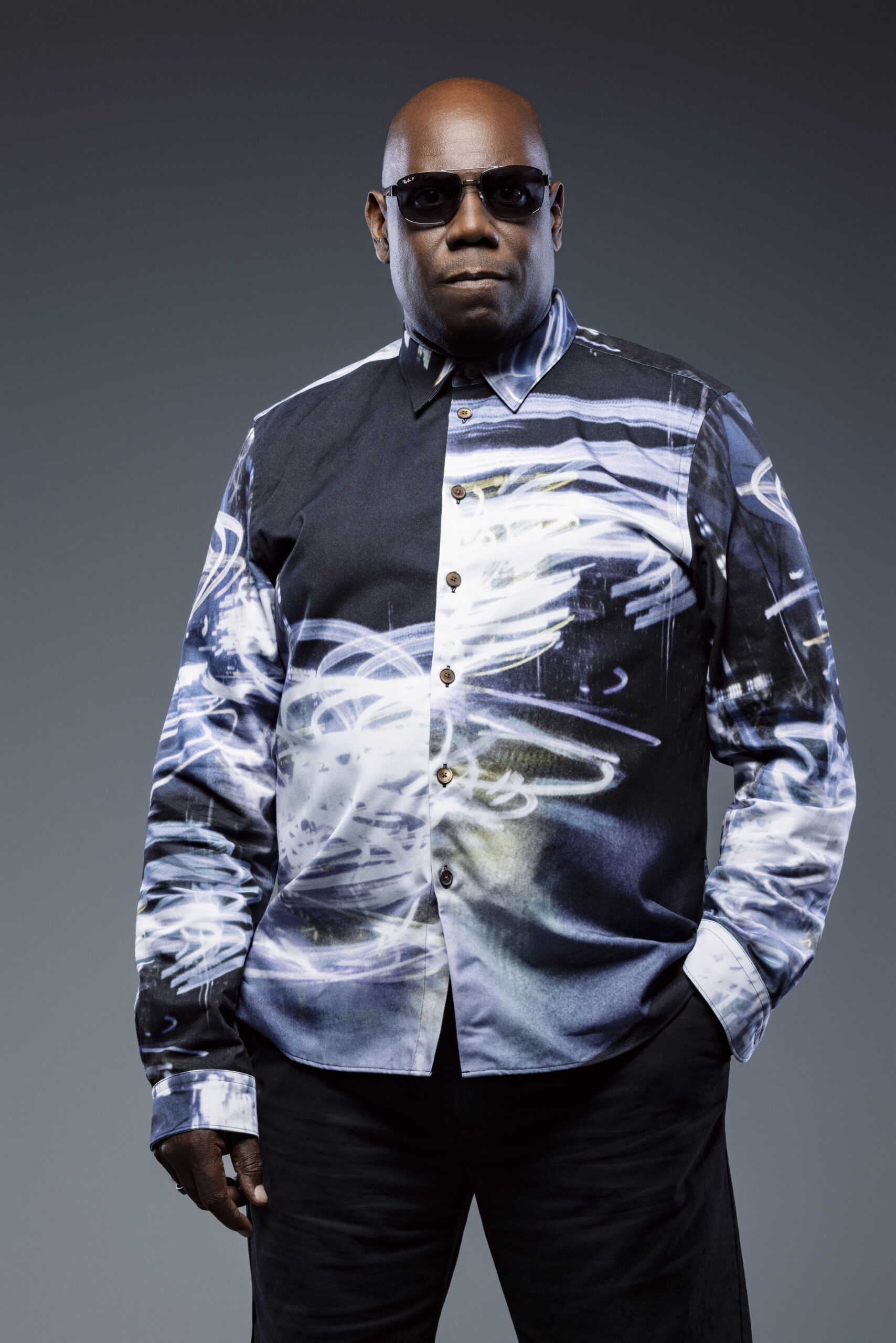
Carl Cox – Picture: Dan Reid
And what about yout long time collaborator Christopher Coe?
He’s been working on music and visual projects. We’re introducing some of his concepts on YouTube first and then we’ll release them digitally. We’re focused on developing a full live experience for his work. It’s about bringing performance and music together.
When will you be back in the UK?
Not until April next year. I’ll be doing events like Carl Cox vs. The Prodigy and performing some old-school sets. Every venue is sold out, and I’m excited to reconnect with the UK crowd.
Can you tell us about your approach to live electronic performance versus DJing?
I’ve always been interested in the future of live music. When I started out in the early ’90s, I was performing as the Carl Cox concept with Majica and Neil McLennan from The Prodigy. That experience taught me a lot about combining machines, live electronics and performance.
During lockdown, I really leaned into this. I realised I wanted to go beyond DJing and perform as a live electronic artist, like Jean-Michel Jarre, creating and controlling every element in real time. It’s not about mixing records anymore; it’s about making music happen in the moment, from my hands and mind.
How do you balance live instrumentation with pre-recorded elements?
For my live sets, everything I play comes from a combination of machines, instruments, and digital setups. I don’t use templates. It’s all improvised and reactive to the crowd. Sure, I get inspired by others, but what comes out is fully me.
For tracks like Joya with Perry Farrell, we had to carefully integrate his vocals with the instrumental. Neil McLennan helped produce it so it could feel live while sounding like a polished studio track. The goal is a dynamic experience, something that works on a dancefloor and in a recording.
You still play vinyl sets from time to time. How do you manage vinyl alongside digital gear?
Mostly with vinyl sets, yeah, around 98% vinyl, 2% digital. It’s about feel. Vinyl has a physicality that connects me to the music and the crowd. Digital allows some flexibility for new tracks I haven’t pressed yet.
Switching between vinyl, CDJs and digital isn’t easy, but I enjoy that challenge. It keeps me engaged and ensures every set is unique.
What about integrating visuals into your shows?
That’s part of the live experience. We have cameras around the stage, on me, facing the crowd, and sometimes crowd-facing screens, so the audience can see themselves and the energy in the room. It’s all part of creating a moment.
The [UNVRS] live show is designed to be immersive: sound, visuals, performance, energy, everything feeds into a single experience. That’s the difference between a DJ set and a live electronic show
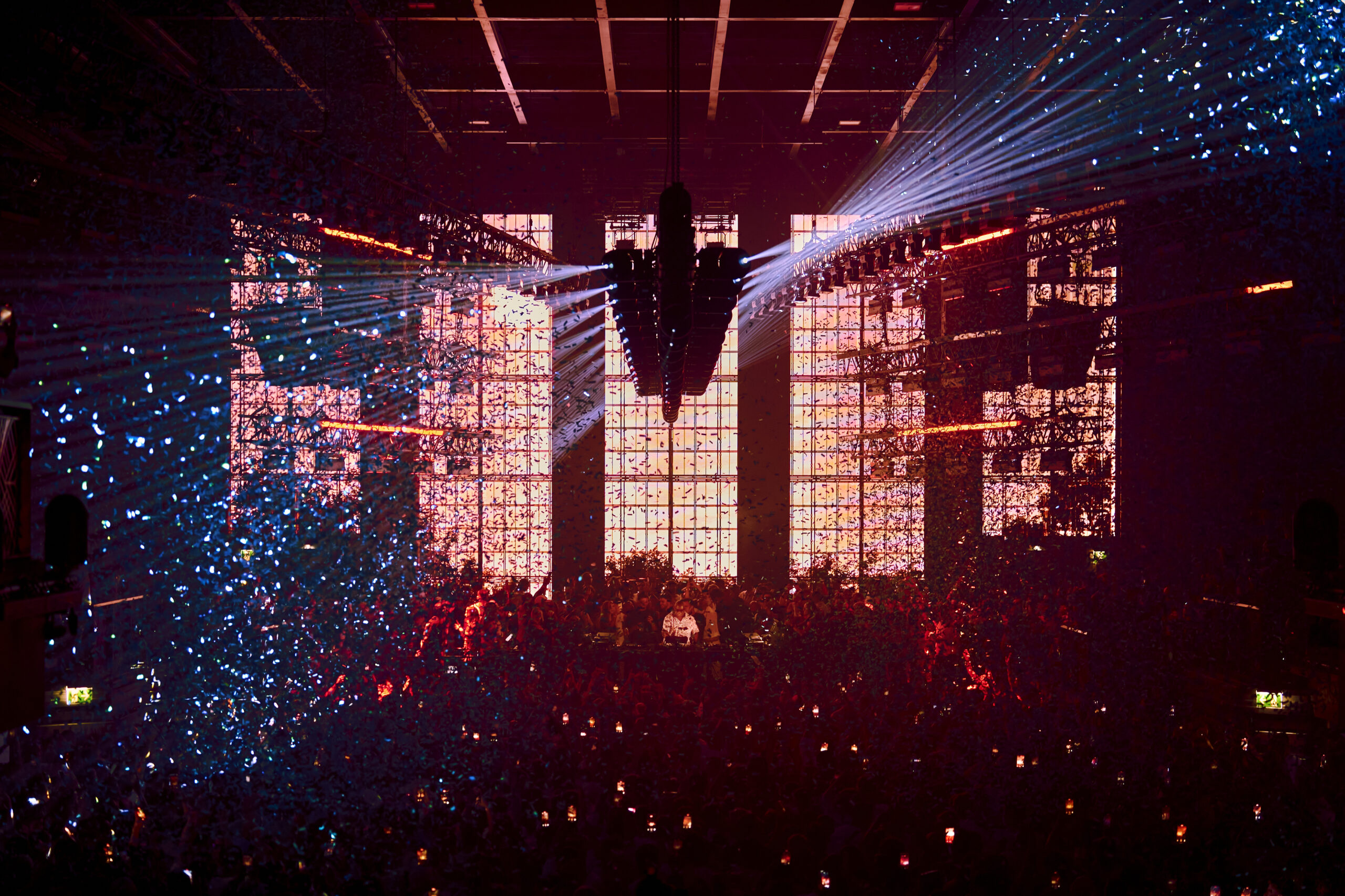
Carl Cox at [UNVRS] Ibiza, Summer 2025
How do you approach creating new tracks or live sets?
It starts in my head. I imagine the track, the flow, how it will move people. I experiment on machines, throw ideas at the wall, and refine them over time. For instance, with ‘Joya’, I didn’t know what Perry would respond to. I just threw ideas out and he complemented them perfectly.
I like to push boundaries, both in production and live performance. No formulas, no rules, just creating music that feels right in the moment.
How do you keep your creativity fresh after decades in the industry?
I focus on new experiences, new sounds and collaborating with different people. Mentoring up-and-coming artists through ASW also inspires me. Seeing new talent develop pushes me to innovate.
Plus, I’ve learned to maintain myself physically and mentally, weight loss, health, gym, walking and dancing during sets, so I have the stamina to perform and experiment without burning out.
Do you see live electronic performance as the future of DJing?
Absolutely. DJs will always exist, but the next level is live performance. People want a show, an experience, not just someone pressing play. Electronic live shows combine performance, production, and energy. That’s where I’m heading, and it’s what excites me most.
Browse the archive of The Night Bazaar interviews, playlists and mixes HERE. Browse our archive on Beatportal HERE.